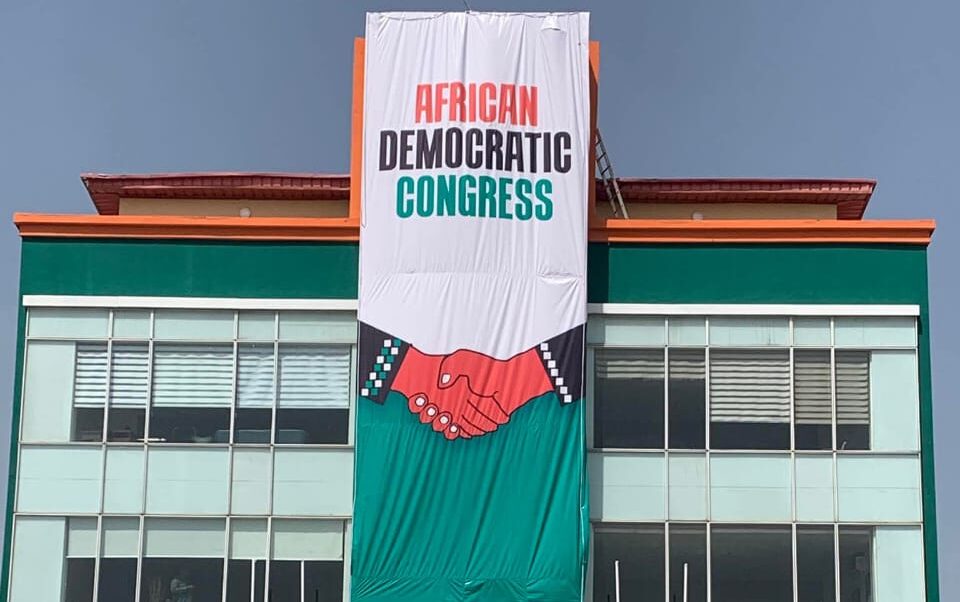
The National Publicity Secretary of the African Democratic Congress (ADC), Bolaji Abdullahi, has criticized President Bola Tinubu for how he is handling the removal of the fuel subsidy. He accused Tinubu's government of focusing more on the World Bank’s advice than on the well-being of Nigerians.
Mr Abdullahi wants to know why Tinubu's government seems to be following the World Bank’s advice on fuel subsidy removal without fully thinking about how it will affect the people.
He expressed these concerns in an opinion piece titled ‘Who Governs Nigeria, Tinubu or the World Bank?’ posted on his X account on Friday.
Tinubu announced the end of the petrol subsidy on 29 May 2023, just after he became Nigeria’s 16th President. In his first speech at Eagle Square, Abuja, he stated, “The fuel subsidy is gone,” adding that the 2023 budget did not include money for subsidy payments after June.
He said the money would be used for infrastructure, education, healthcare, and job creation. This decision quickly led to higher petrol prices and raised worries about the cost of living.
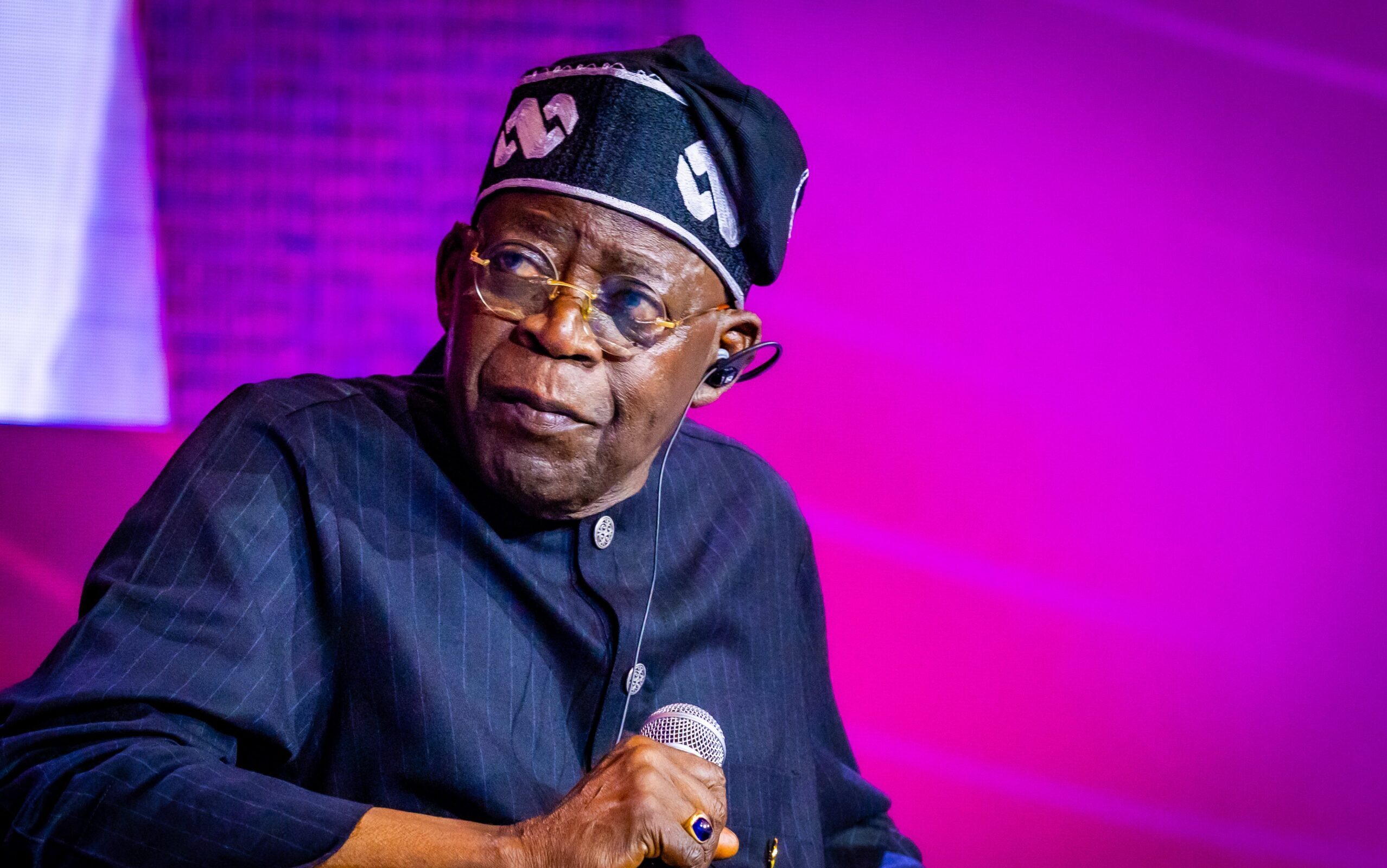
Mr Abdullahi was responding to comments from former Lagos State Governor Babatunde Fashola, who defended the subsidy removal during an interview on Channels Television’s Politics Today on Tuesday. Fashola said the decision came from Nigeria’s financial situation and the World Bank’s stance, which indicated that Nigeria would not get funding if it continued to support the petrol subsidy.
Fashola also mentioned the Petroleum Industry Act (PIA), which set a market-based pricing system for petroleum products. He questioned if Nigeria could afford to restore the subsidy.
But Mr Abdullahi argued that Fashola's comments raised doubts about whether Tinubu's government is truly independent in its economic choices. He believes international financial institutions can suggest policies but should not control how Nigeria runs its economy.
The ADC spokesperson said the World Bank’s advice should be looked at with Nigeria’s needs in mind and not treated as orders. He wrote, “Since when did the economic recommendations of an international financial institution become instructions that a sovereign government must obey, regardless of the suffering they could inflict on its citizens?”
Mr Abdullahi also questioned whether the president thought about other options before making this decision. He insisted that the Nigerian government should take responsibility for the outcomes of its policies.
“International institutions are entitled to offer recommendations. They are not elected to govern Nigeria. The President is,” he said.
Speaking further, Mr Abdullahi challenged Fashola's use of the Petroleum Industry Act to justify the removal of the fuel subsidy. He believes laws should benefit the people and should be changed if they harm public welfare.
He said the legislation should not stop the government from considering ways to make petrol cheaper. The PIA, passed in August 2021, was delayed in the National Assembly for years due to concerns over some of its parts.
Mr Abdullahi pointed out that the same law has parts that could support the ADC’s alternative plan for fuel pricing. He mentioned Section 109 of the Act, which requires crude oil producers to send certain amounts of crude oil to domestic refineries.
This rule also allows the Nigerian Upstream Petroleum Regulatory Commission (NUPRC) to set regulations and guidelines for enforcing this obligation. According to Mr Abdullahi, this provision lets the government support local refineries instead of only depending on imported fuel.
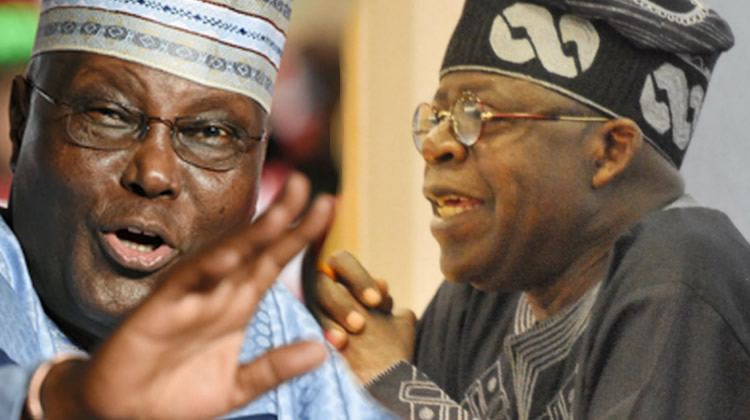
He said the ADC and its presidential candidate, Atiku Abubakar, are suggesting a production subsidy that would use local refining to cut down the cost of petrol. “The question then is: Why has this administration failed to enforce that aspect of the law and use it as a lever to support local refineries so they can deliver cheaper fuel to Nigerians?” he asked.
While Section 109 says domestic crude supplies should generally work on a willing-seller, willing-buyer basis, with prices negotiated based on current international prices. This does not automatically ensure cheaper petrol for consumers but sets up a way to guarantee crude supply to local refineries.
Mr Abdullahi also disputed the claim that removing the fuel subsidy was necessary to fix Nigeria’s financial problems. Fashola had pointed out the financial issues during former President Muhammadu Buhari’s time, when debt servicing took up a huge part of government income. He argued that Nigeria could not maintain the subsidy anymore.
Yet, Mr Abdullahi said the current debt situation raises doubts about whether this policy has been beneficial after more than three years. He cited government budget figures showing that Nigeria spent N4.63 trillion on debt servicing in the first quarter of 2026, while total revenue was N5.08 trillion.
He calculated that debt servicing made up about 91 percent of government revenue. Mr Abdullahi also mentioned figures from the Debt Management Office (DMO), showing that Nigeria's total public debt rose from N87.38 trillion in June 2023 to N166.79 trillion by 30 June 2026.
The latest DMO report puts the public debt at N166.79 trillion, which includes N91.59 trillion in domestic debt and N75.20 trillion in external debt. The ADC spokesperson criticized the government’s budget execution, saying capital releases were only between 20 and 24 percent.
He said it is worth asking if the economic reforms have helped Nigerians, considering the ongoing pressure from debt servicing and rising public debt. “We must therefore ask: After more than three years of painful sacrifice, what exactly have Nigerians gained from this fuel subsidy removal?” he asked.
Mr Abdullahi also dismissed prompt salary payments and the Nigerian Education Loan Fund (NELFUND) as inadequate reasons for the hardship following the subsidy removal. Mr Fashola noted that regular salary payments and the student loans were benefits of Tinubu’s economic policies.
But Mr Abdullahi argued these measures have not done enough to ease the economic struggles faced by many. He mentioned that about 144 million Nigerians, or 66 percent of the population, are dealing with economic hardship, which is much larger than the number of federal government workers.
He stated that the benefits of salary payments cannot compare to the widespread issues caused by rising petrol, food, and transport prices. He also questioned if the N70,000 minimum wage is enough to cover living costs after the subsidy removal and naira devaluation.
While he recognized that NELFUND has helped some students, he doubted if it truly addressed the broader issues in the higher education sector. He called the scheme more of a political move than a real education policy.
The ADC spokesperson also questioned the argument that bringing back the fuel subsidy would need finding new funding sources. He said the government should first cut down on wasteful spending and reduce the cost of governance before asking citizens to take on more economic burdens.
Mr Abdullahi pointed to the purchase of new aircraft and a yacht for the presidential fleet, extended convoys for officials, and luxury cars for political allies as examples of government waste. He also questioned spending on presidential facilities and privileges, saying the administration seems able to afford these luxuries while struggling to help ordinary Nigerians.
“The right question is: Why does this government always seem able to find money for its own comfort and luxuries, buying new yachts and jets for the presidential fleet, but cannot find the money to make life a little better for the people?” he wrote.
He said the ADC believes government spending should focus on citizens' welfare, and economic management should not start by putting more pressure on low-income families.
“The difference is simple: This government is asking Nigerians to sacrifice for the comfort of government. The ADC believes that government should sacrifice for the comfort of Nigerians,” he said.
Mr Abdullahi reaffirmed that his party wants to reduce government spending, cut out waste, and implement policies that will improve Nigerians' living conditions. His comments come amid ongoing discussions about the future of the fuel subsidy, with Atiku, the ADC’s presidential candidate for the 2027 election, suggesting that he would restore it if elected.
Mr Fashola questioned the practicality of this idea, saying restoring the subsidy would need legislative approval and a solid funding plan. He also challenged Atiku to explain how the government would pay for this without putting more pressure on public finances.

Drop your comment
No comments yet — be the first to drop the gist 👇