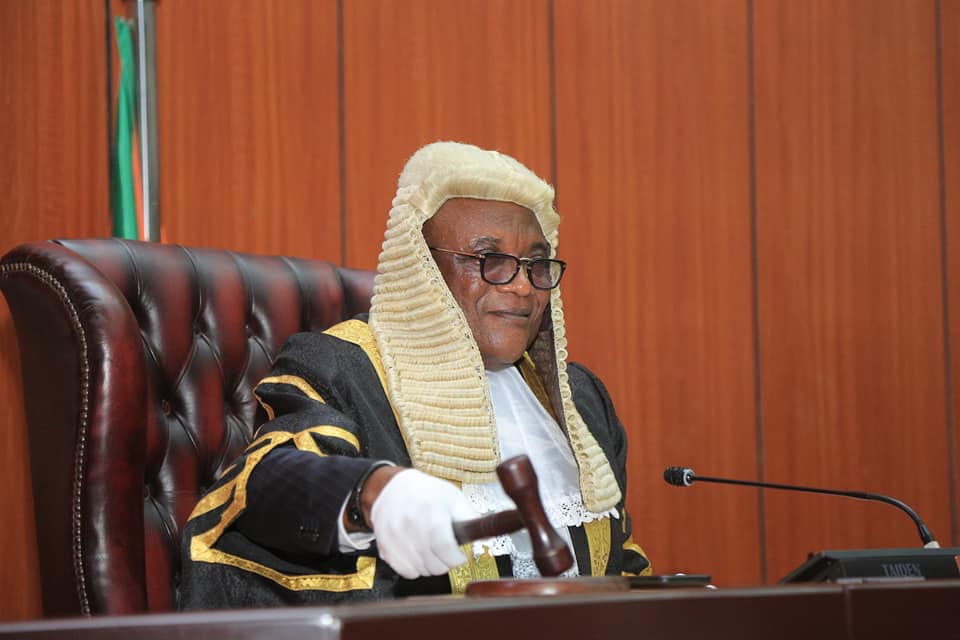
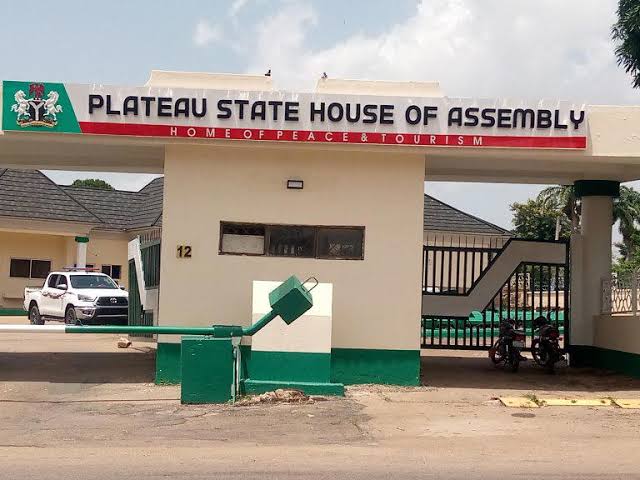
The Akwa Ibom State House of Assembly has started looking into a bill aimed at setting up a central registry for civil society organisations (CSOs) and community-based groups working in the state.
The bill is called “A Bill for a Law to Establish the Akwa Ibom State Civil Society Organisations Registry and Provide for the Harmonisation of Registrations and Related Matters.” It passed its first reading at the plenary session on Wednesday.
The Deputy Speaker of the House, KufreAbasi Edidem, who represents Itu State Constituency, sponsored the bill.
If this law is passed, it will create a system for registering and recognizing CSOs and community-based organisations involved in charity, humanitarian work, advocacy, research, human rights, awareness campaigns, and other activities that serve the public.
The law will also include groups that are already registered or those looking to register through the ministries, departments, and agencies of the Akwa Ibom State Government.
The goal of the proposed registry is to streamline the registration process for CSOs and reduce the many registration requirements and fees that these organisations face with different government bodies.
The bill aims to protect CSOs from paying multiple fees, except those included in the state’s tax laws.
It also suggests a coordinated registration system to cut down on delays and make it simpler for the government to identify groups that are legally operating in the state.
This move comes after civil society groups pushed for a single, clear, and legally supported registration system.
In July, PREMIUM TIMES reported that CSOs in Akwa Ibom requested the creation of a central registry to get rid of the multiple registration processes and overlapping government fees.
This request followed a town hall meeting about the draft Civil Society Organisation Registration Bill 2026. This meeting was held under the Community of Practice on Civic Space Strengthening, with support from Global Rights.

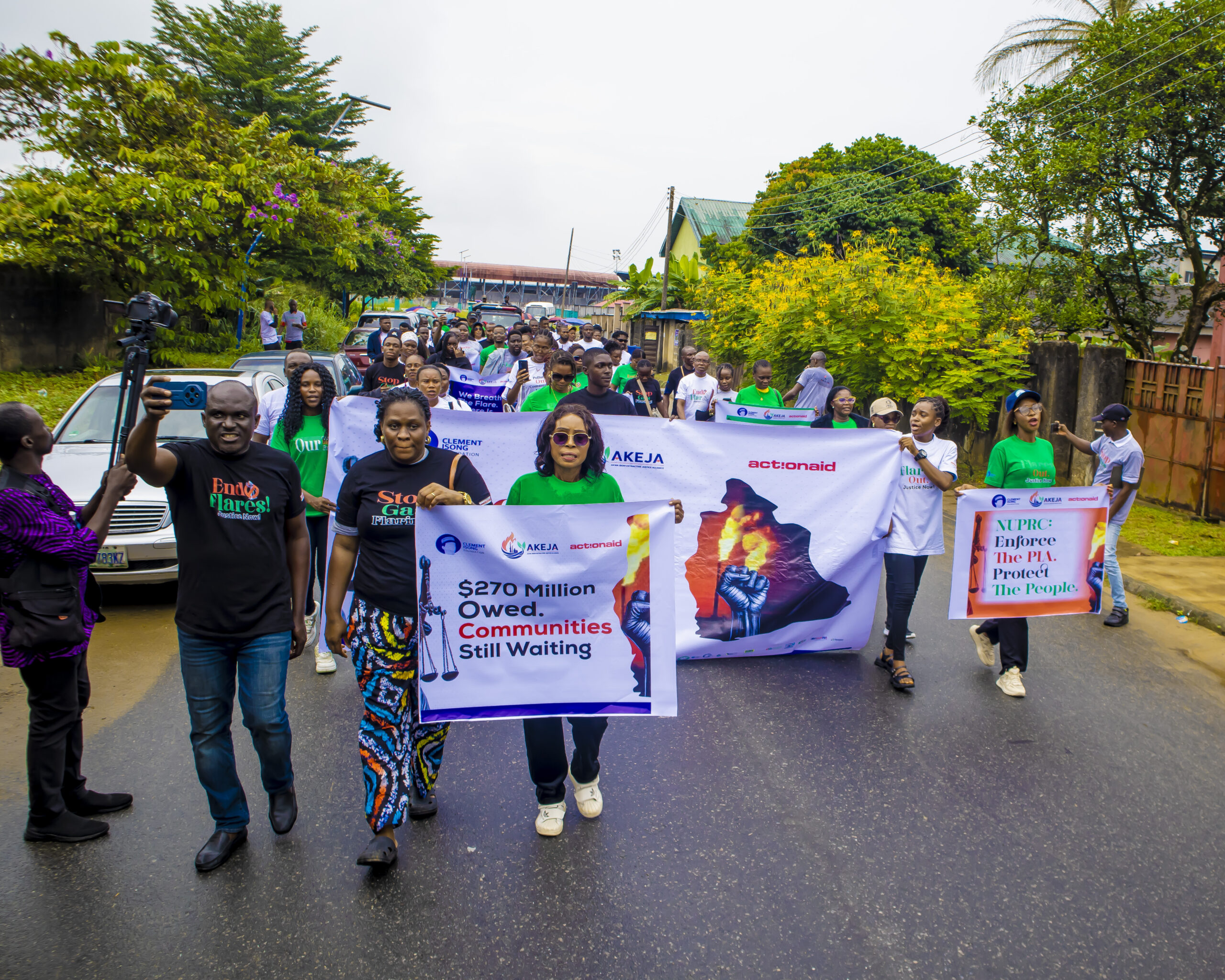
The stakeholders also asked for an online registration and directory system, saying that using digital methods could help reduce chances of extortion and delays from manual registration.
They further suggested safeguards to make sure the proposed registry board remains independent. This includes letting CSOs nominate three out of the five board members and ensuring all board members have equal voting rights.
Global Rights, which has supported this civil society-driven initiative, welcomed the bill’s first reading. They see it as an important step towards creating a clearer and more predictable environment for CSOs in the state.
In a statement from Noya Sedi, the Programme Manager of Global Rights, the organization praised the Akwa Ibom Steering Committee, Community of Practice, and civil society members who engaged in the process through ongoing discussions and advocacy.
They also commended the Akwa Ibom State House of Assembly and the bill’s sponsors for allowing civil society to participate in the legislative process.
“We look forward to continued engagement with the Assembly and other stakeholders as the Bill progresses, with the shared objective of establishing a fair, transparent and predictable framework for CSO registration and operations in Akwa Ibom,” Ms Sedi said.
This bill comes amid worries about the rules affecting civil society organisations in Nigeria.
Unlike the federal bill, which CSOs have criticized for its possible effects on civic space, the Akwa Ibom proposal is backed by civil society groups and other stakeholders.
The proposed state registry will now go through more legislative steps before it can become law.


Drop your comment
No comments yet — be the first to drop the gist 👇