Artists and health workers are using art, storytelling, and fun activities to spread the word about antimicrobial resistance (AMR).
AMR happens when germs like bacteria, viruses, fungi, and parasites stop responding to medicines meant to treat infections. This makes diseases harder to manage.
The awareness event, Microbe Madness 2.0, was organized by the Art for Health Initiative (AHI) and took place in Lagos on Wednesday. This was the first day of the 2026 World AMR Awareness Week, which runs from November 18 to 24.

Olayinka Badmus and Media EIS Frontliners
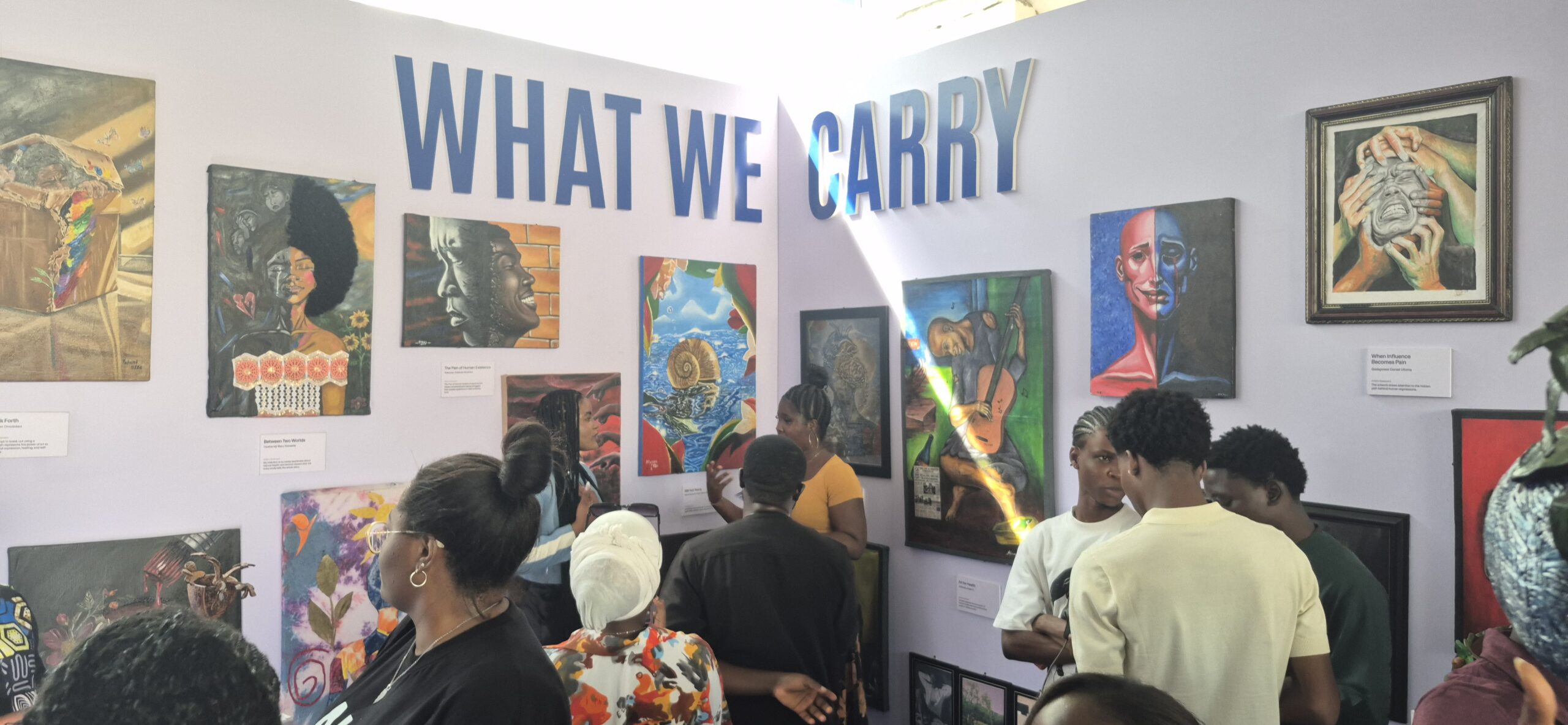
The event had the theme: One Action for our Future. It featured exhibitions by artists exploring AMR and other health issues. This included a mental health exhibition showcasing works from artists who took part in a previous workshop organized by AHI.
There were also spoken-word performances by Ruth Mahogany and music by Nanya Ijeh and Paragon. Interactive games helped participants learn about AMR and how their daily actions could help prevent it.

Philip Osun
Risks of Misusing Antibiotics
Philip Osun, a clinical microbiologist at the Lagos University Teaching Hospital (LUTH), gave the keynote speech at the event. He warned against misusing antibiotics.
Mr Osun explained that antibiotics are meant for bacterial infections and do not work on viral illnesses like the common cold. “Don’t rush to the chemist and say I need antibiotics,” he urged. He advised people to get medical advice instead of self-medicating.
He warned against taking antibiotics prescribed for someone else, sharing medicines, or changing treatment without professional help. According to him, antimicrobial resistance happens when germs find ways to beat the medicines meant to treat them, making infections hard to manage.
Mr Osun said this could lead to longer illnesses, higher treatment costs, and more pressure on families and healthcare facilities.
The World Health Organisation (WHO) said that bacterial AMR caused about 4.7 million deaths worldwide in 2021. Sub-Saharan Africa had the highest rates of AMR-related deaths.


The WHO added that fighting resistance needs action in human, animal, plant, and environmental health. It pointed out that misuse of antimicrobials, poor infection prevention, and unsafe waste disposal help spread AMR.

Chidera Aneke
How to Prevent Infections
The microbiologist encouraged Nigerians to prevent infections by washing hands regularly, getting vaccinated, practicing safe food and water habits, taking care of wounds properly, and maintaining good hygiene.
He said that preventing infections reduces the need for antimicrobials and helps limit the spread of resistance. Mr Osun also discussed the One Health approach, which connects human, animal, and environmental health.
He explained that antimicrobial resistance is not just a human health issue. It also affects animals and the environment, needing combined efforts to prevent infections and reduce inappropriate use of antimicrobials.
Using Art to Spread Health Messages
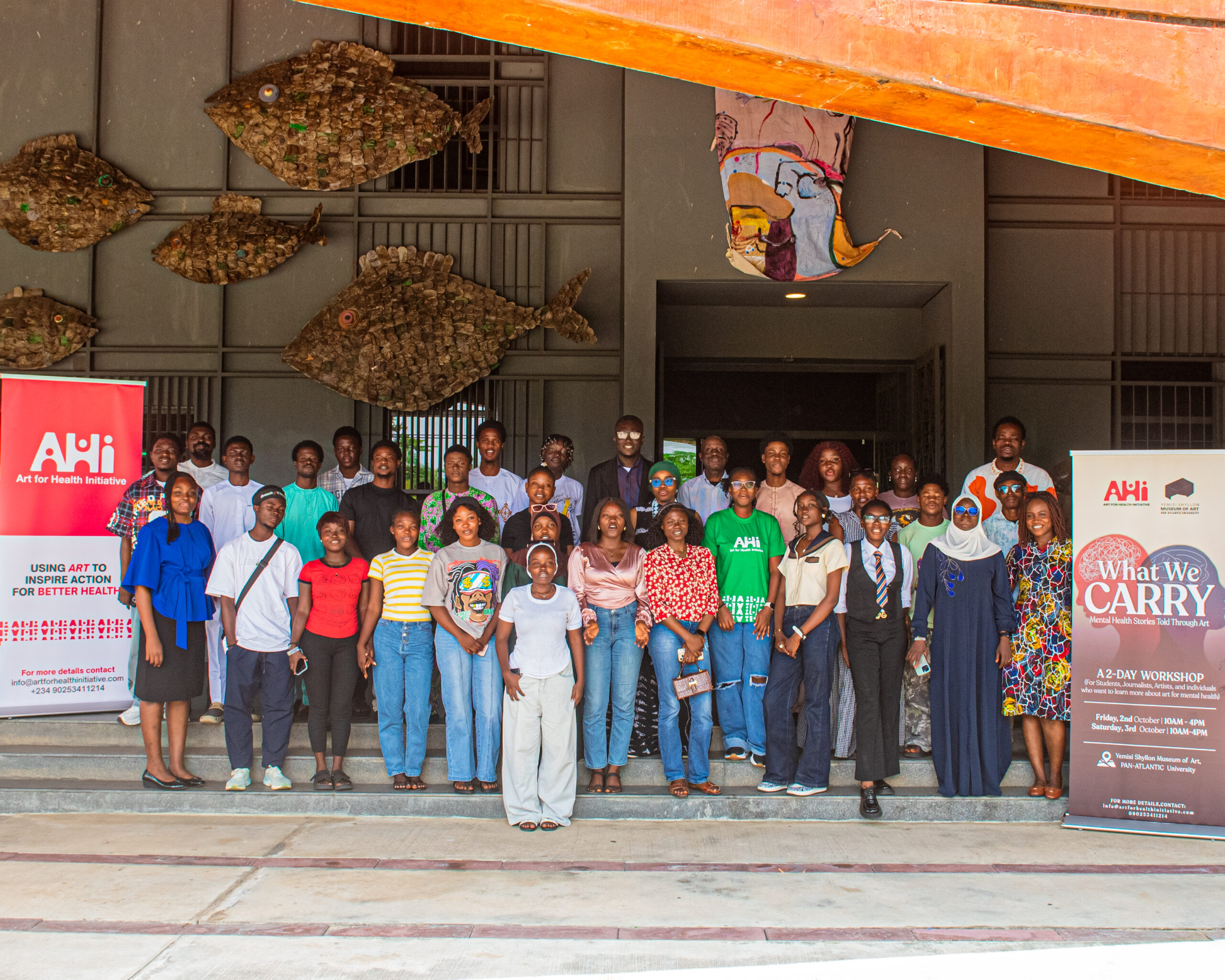
Chidera Aneke, the founder of AHI and a Media EIS Frontliner, talked about the initiative. She said AMR is still not well understood, even though it affects many people.
Ms Aneke shared that the organization uses art and creative activities to share health information in ways that people can relate to and remember. She added that AHI wants to make Microbe Madness an annual event and involve more creatives in public health awareness.
“With more funding, we can make this a yearly event,” she said. She wants people to learn about health issues through enjoyable and interactive activities, not just through workshops and seminars.
The event also welcomed Olayinka Badmus, Resident Adviser for the Media EIS Fellowship and Technical Director at Afrihealth for Social Development and Impact (ASDI). It was organized with DRASA Health Trust as a technical partner, with support from the Yemisi Shyllon Museum of Art and BNL Healthcare Limited.




Drop your comment
No comments yet — be the first to drop the gist 👇