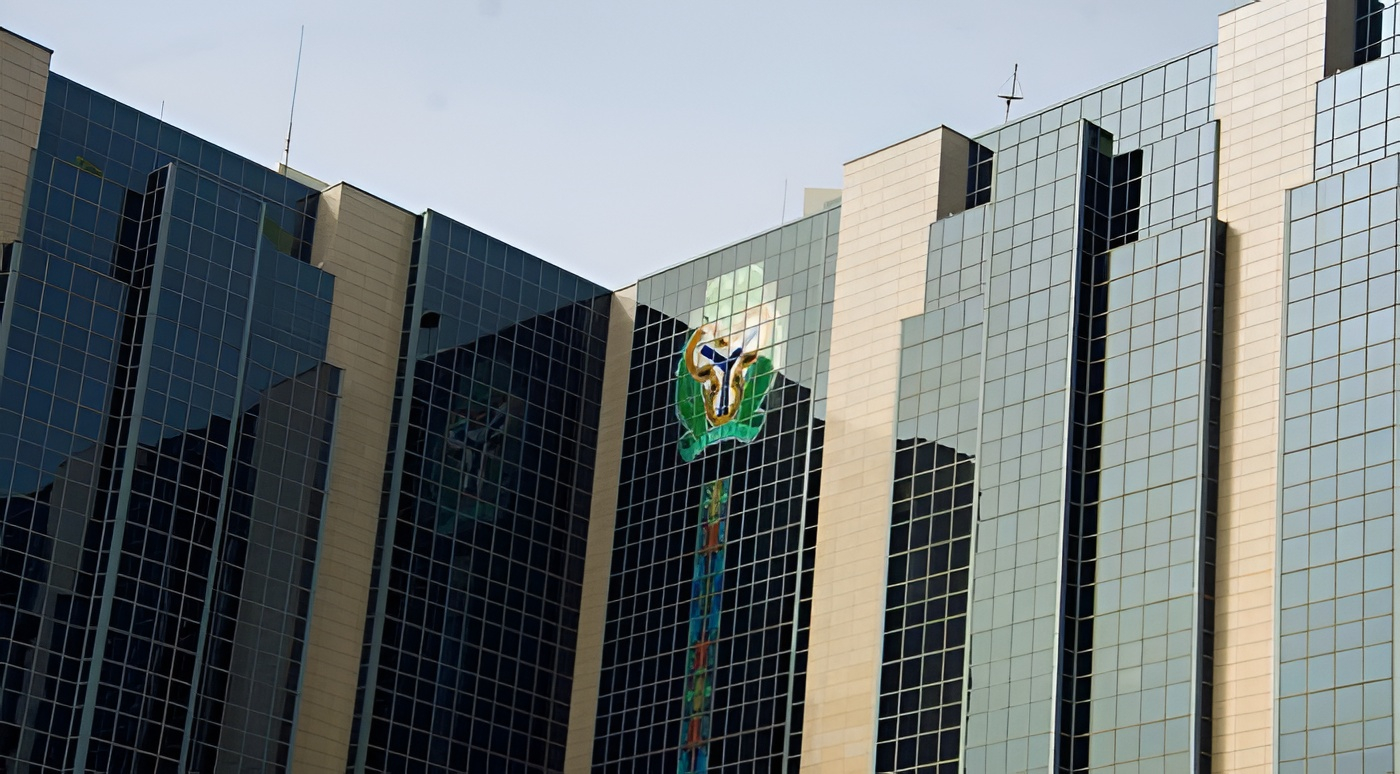
The Central Bank of Nigeria (CBN) may have to manage foreign exchange inflows from higher oil prices to control inflation, according to the International Monetary Fund (IMF) on Tuesday.
Managing foreign exchange inflows is a monetary policy strategy. It helps the central bank limit the effect of foreign exchange activities on the money supply by offsetting excess cash in the financial system.
The IMF shared this advice in its latest Article IV consultation report on Nigeria. They pointed out that while increased crude oil prices could bring more foreign exchange into Nigeria, they could also drive inflation up.
"Given the changed inflation outlook, keeping the MPR unchanged for now and carefully monitoring inflation, the exchange market, and fiscal developments is appropriate," the IMF said.
"The CBN may need to manage FX inflows from increased oil prices. The complicated outlook makes it even more important for monetary policy to be data-driven and respond if inflation pressures are more persistent than expected or if they become less severe, especially with a stronger exchange rate," they added.
Consumer inflation in Nigeria rose to 15.4 percent in March, after eleven months of decline. This rise followed the beginning of the US-Israel war against Iran in February. Prices continued to climb in April, hitting 15.7 percent year-on-year due to increases in food and energy costs.

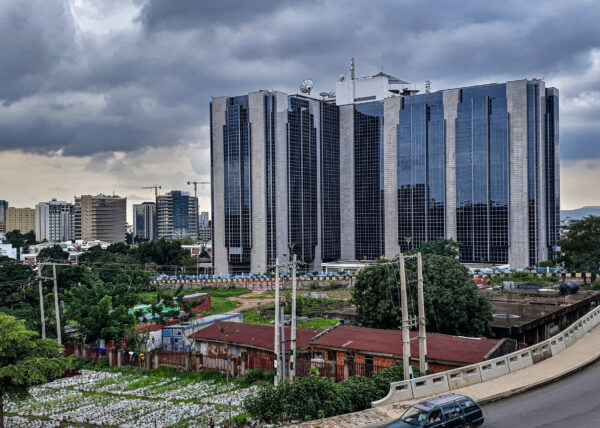
The IMF noted that Nigeria’s monetary policy must focus on reducing price pressures and managing inflation expectations. They praised the CBN for keeping a tight policy stance with a positive real monetary policy rate (MPR) since February.
The central bank kept the interest rate unchanged at its last monetary policy committee meeting in May. They had cut the MPR by 50 basis points to 26.5 percent and reduced the Cash Reserve Requirement (CRR) by five percentage points to 45 percent in February.
The IMF stated that the CBN’s introduction of a 7-day OMO instrument will help manage short-term liquidity rates. This will help to make the MPR central to monetary policy operations and target the overnight rate.
The IMF also suggested that the CBN should normalize the CRR, apply reserve requirements on an average basis, and expand coverage to include foreign currency deposits.



Drop your comment
No comments yet — be the first to drop the gist 👇