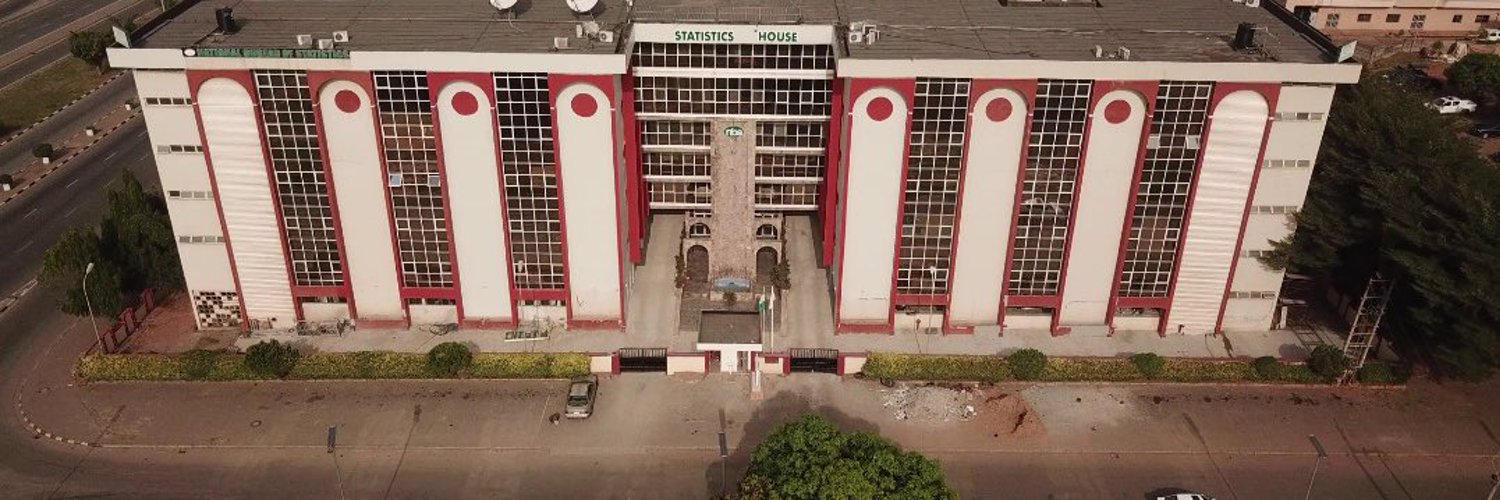
The Nigerian oil and gas sector brought in just $460,000 in foreign capital in the first quarter of 2026. This is despite the country seeing a big jump in overall capital inflows. The National Bureau of Statistics (NBS) released this data.
This amount is better than the $120,000 seen in the first quarter of 2025. Still, it is one of the smallest amounts among all sectors in the report.
The latest Capital Importation Report shows that Nigeria attracted $10.4 billion in the first three months of 2026. This is an 83.8 percent increase from the $5.64 billion reported during the same time last year.
Oil and gas made up less than 1 percent of the total capital inflow. This shows the sector is still struggling to attract foreign capital, even though oil is Nigeria’s biggest export.
The report also reveals that investors preferred financial services over other sectors. The banking industry led the pack, attracting $7.6 billion or 72.8 percent of the total inflow.
Following the banks is the financing sector, which attracted $2.4 billion or 23.4 percent. The production and manufacturing sector brought in $152.27 million or 1.5 percent.
Other sectors that pulled in foreign capital include agriculture, telecommunications, information technology, construction, healthcare, and education.
When compared to the fourth quarter of 2025, Nigeria’s capital importation rose by 61 percent from $6.4 billion. Portfolio investment was the main driver of this increase.


Portfolio investments contributed $9.9 billion, making up 95.1 percent of total inflows. This shows that international investors still prefer Nigerian securities over other types of investment.
Other investments added up to $374.5 million, which is 3.6 percent. Foreign direct investment made a small contribution of $135.1 million or 1.3 percent.
This new data comes as government officials keep talking about rising investment commitments in Nigeria’s petroleum sector. Earlier this year, the minister of state for petroleum resources, Heineken Lokpobiri, mentioned that Nigeria secured 28 new Field Development Plans worth $18.2 billion in 2025. These projects are expected to unlock about 1.4 billion barrels of crude oil reserves.
Bashir Bayo Ojulari, the CEO of NNPC Limited, also noted that recent regulatory changes have led to more than $24 billion in upstream investments. There are also additional projects worth around $10 billion under consideration.
The UK was the largest source of foreign capital for Nigeria during this quarter, providing $5.18 billion or 49 percent of the total. The US came next with $3.2 billion, which is 30.7 percent, while South Africa contributed $983.83 million or 9.5 percent.
Among financial institutions, Standard Chartered Bank Nigeria Limited saw the highest inflow at $4.4 billion. Stanbic IBTC Bank Plc followed with $2.8 billion and Rand Merchant Bank came in with $930.82 million.
These latest figures show a gap between Nigeria’s status as one of Africa’s leading oil producers and the amount of foreign capital coming into the sector. This is happening even as overall investment inflows into the country keep increasing.




Drop your comment
No comments yet — be the first to drop the gist 👇