
The key question is whether the Central Bank can control inflation expectations enough to make sure that price drops last through the election period, the financial pressures of 2027, and the next global shock. This needs to break the cycle of temporary relief followed by new price hikes that has been Nigeria's story for the past twenty years. Success will take years, not months. We need to see monthly inflation staying low, real interest rates dropping gradually, and a clear path to single-digit inflation under a formal inflation-targeting plan.
Inflation is at its lowest in six years. This week, the Central Bank must decide which economic situation to focus on.
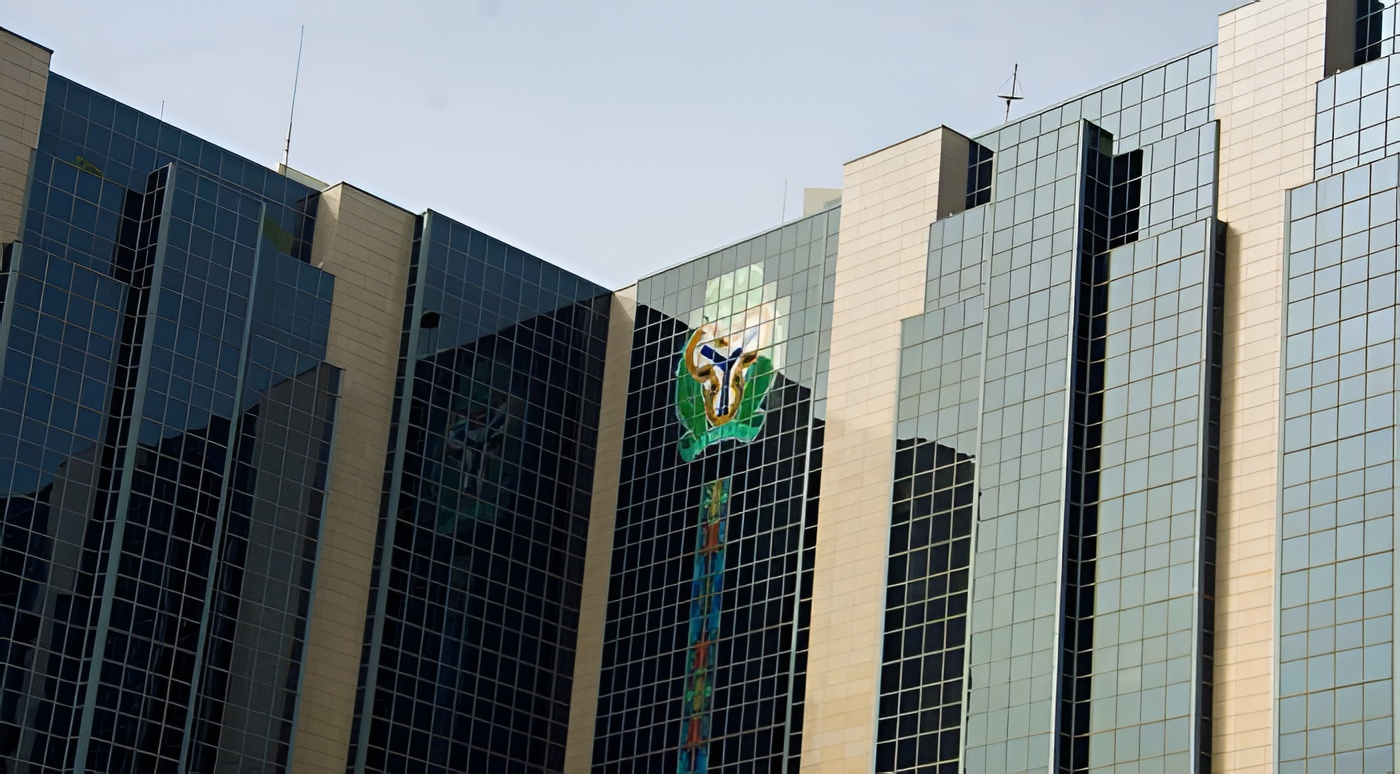
Today, 23 November, the Monetary Policy Committee (MPC) of the Central Bank of Nigeria starts its last meeting of the year. The main figures seem to support a cut in monetary policy. Inflation fell to 14.06 percent in October from 14.63 percent in September. Core inflation, which leaves out food and energy prices, also dropped to 10.78 percent. But the same report showed that prices were rising faster month-on-month, and food inflation is still above 19 percent. The naira is under more pressure, and election season is coming. The MPC is in a real tricky spot, and the right choice may not be what many in the market want.
The argument for a rate cut is strong. In September, the MPC cut the Monetary Policy Rate by 350 basis points from 26.5 percent to 23 percent. They called this move a reset to strengthen how policy works. Even after that cut, the policy rate is still about nine percentage points above inflation and more than twelve percentage points above core inflation. Real interest rates at this level are among the highest in the world. They make it hard for manufacturers, farmers, and traders to get credit, and they raise the cost of public debt. The bond market is already expecting lower rates. At the Debt Management Office’s auction on 16 November, the government borrowed at around 17 percent, much lower than the policy rate. Fitch Ratings predicts the policy rate will average 21.7 percent in 2027 and 18.6 percent in 2028. So, a further cut seems reasonable.
But the case for being careful is stronger right now. There are four risks against cutting rates this week.
The first risk is about momentum. Headline inflation is easing mainly because prices were rising quickly a year ago. Month-to-month, headline inflation jumped to 0.43 percent in October from just 0.06 percent in September. Food inflation, at 19.13 percent year-on-year, is higher than it was in October 2025. A survey by the Central Bank showed that 77.2 percent of households saw inflation as high in September, up from 67.2 percent in August. Some economists have openly questioned if the official figures reflect what families are really paying. When expectations go the wrong way, a central bank that cuts rates too soon could lose the credibility it has built over three years.
Election years usually bring more public spending, and this year won’t be different. The government has approved new allowances for workers, is borrowing a lot in the local market, and has asked for approval for big new external loans. At the same time, oil prices have sharply dropped from their peak in September, and crude output fell in October, hurting revenue. If fiscal policy eases while monetary policy also gets looser, inflation could rise in early 2027, the exact time the MPC would want to avoid that.
The second risk is about the naira. The official exchange rate is around ₦1,358 to the dollar, but street traders quote about ₦1,440. The gap between these two markets has grown. Gross reserves have dropped to about $54.8 billion, about $450 million below their late-October peak, partly due to Central Bank actions. Analysts say some of the pressure comes from seasonal import needs and pre-election demand for dollars. A rate cut now would lower returns on naira assets just when demand for dollars is going up, leading to more depreciation and higher inflation through import prices.


The third risk is fiscal. As mentioned, election years usually see higher public spending. The government has approved new allowances for workers, is borrowing heavily in the local market, and has sought approval for new external loans. Oil prices have also sharply dropped from their earlier peak, and crude output fell in October, reducing revenue. If fiscal policy eases while monetary policy also loosens, inflation could rise in early 2027 when the MPC would least want that.
The fourth risk is about timing. The September reset was significant, and its effects are still being felt in the financial system. Monetary policy takes time to show results. The MPC’s statement said future decisions would rely on data. Since September, the data has been mixed, not clear-cut. We won’t have the third-quarter growth figures until after this meeting. Given this, being patient shows discipline, not weakness.
The Central Bank has regained much of its credibility since 2023. Wasting that credibility on an early rate cut when monthly inflation is rising, currency pressures are high, and spending is up during election year would be a bad trade-off. Staying firm now, while showing a clear path to lower rates and helping bank lending through reserve requirements, gives the best chance of making inflation at a six-year low a lasting reality that households can actually feel.
So, what should the MPC do? In my opinion, they should keep the Monetary Policy Rate at 23 percent this week. At the same time, they should pair this decision with two measures that support growth without causing instability. First, they should give clear guidance. The Committee should say clearly that they expect to start easing in 2027 if monthly inflation calms down and the exchange rate stabilizes after the elections. Markets and businesses respond to credible signals and interest rate changes. Clear guidance would help keep long-term borrowing costs going down without the risks of an immediate rate cut.
Second, they should start a gradual review of the cash reserve requirement, which is still at 45 percent for commercial banks. A requirement this high locks away almost half of bank deposits and is one reason the September cut hasn’t reached small businesses. A small, phased reduction tied to verified lending to manufacturing, agriculture, and small businesses would direct funds to productive activities instead of the currency market. This would help the real economy more than another headline rate cut that banks might not pass on. The Committee should also be clear about the limits of monetary policy. Interest rates can’t fix food supply issues caused by insecurity, transport costs raised by fuel prices, or electricity shortages that raise costs for every producer. Those are issues for fiscal and structural policy. A central bank trying to fix them will either fail or go too far.
The true test of this decision goes beyond how the market reacts this week. The key question is whether the Central Bank can control inflation expectations enough to make sure that price drops last through the election period, the financial pressures of 2027, and the next global shock. This needs to break the cycle of temporary relief followed by new price hikes that has been Nigeria's story for the past twenty years. Success will take years, not months. We need to see monthly inflation staying low, real interest rates dropping gradually, and a clear path to single-digit inflation under a formal inflation-targeting plan. The Central Bank has regained much of its credibility since 2023. Wasting that credibility on an early rate cut amid rising inflation, currency pressures, and election-year spending would be a bad trade-off. Staying firm now, while showing a clear path to lower rates and helping bank lending through the reserve requirement, gives the best chance of making inflation at a six-year low a lasting reality that households can finally feel.



Drop your comment
No comments yet — be the first to drop the gist 👇