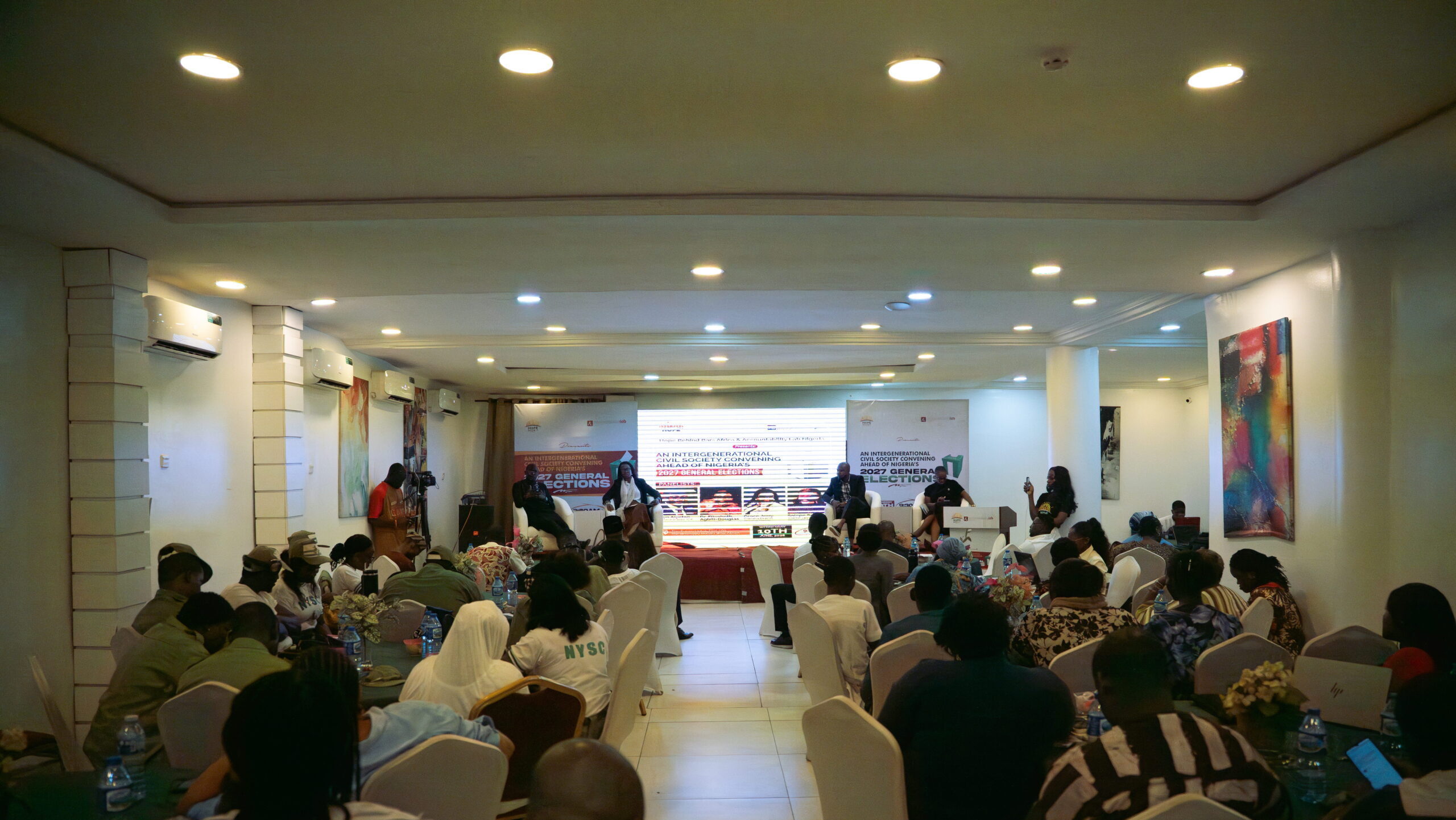
Civil society leaders and human rights advocates warned on Wednesday that Nigeria could face more democratic decline if citizens only protest and use social media instead of staying involved in governance and accountability.
They said that being part of democracy means doing more than just voting during elections. Citizens should advocate for policies, engage with lawmakers, learn about civic issues, and organize their communities for the long haul.
This message came from a meeting called “a joint intergenerational civil society” to discuss democratic strength, civic participation, and teamwork before the 2027 general elections. Hope Behind Bars Africa and Accountability Lab Nigeria organized the meeting in Abuja on Wednesday.
Tony Ojukwu, the Executive Secretary of the National Human Rights Commission (NHRC), spoke through Halilu Adamu, who is the Director of Civil and Political Rights at NHRC. Ojukwu led the discussion on how people can participate in governance and hold leaders accountable. He said the Nigerian Constitution puts citizens at the heart of governance and guarantees their role in public affairs.
“Democratic governance is not merely about periodic elections. It is about the continuous engagement of citizens in public affairs, policy formulation, decision-making processes and accountability mechanisms,” he said. He added, “The Constitution does not envision a citizen who appears only on election day.”
Ojukwu pointed out Sections 14(2)(a) and 14(2)(c) of the Constitution, which state that power belongs to the people and that citizens must be involved in governance.
He also defended civic freedoms as rights that are essential to democracy. “Civic freedoms are not privileges granted at the discretion of the State. They are constitutional guarantees essential to democratic participation,” he said.
He noted that the future of Nigeria’s democracy will depend not just on institutions but also on how much citizens engage, contribute, and take part in decisions that affect their lives.
Ojukwu also linked democratic participation to the need for transparency and access to information. “Citizens cannot meaningfully participate in governance without access to information,” he said. He urged people to stay involved before, during, and after elections through discussions, voter education, peaceful participation, and holding officials accountable.
During the panel discussion, several leaders agreed that Nigeria’s civic space is under pressure ahead of the 2027 elections. Solape Sounga, Dayo Aiyetan, Elizabeth Agbiti-Douglas, and Grace Jerry, represented by Molly Joshua, all shared their views.
They expressed that a lack of trust in public officials and political parties, low voter turnout, insecurity, fear of electoral manipulation, and worries about the independence of the Independent National Electoral Commission (INEC) could discourage people from participating.
They mentioned that insecurity and violence are major obstacles to voting, and problems like intimidation, surveillance, electoral violence, misinformation, and misuse of personal data are threats to civic participation in Nigeria.
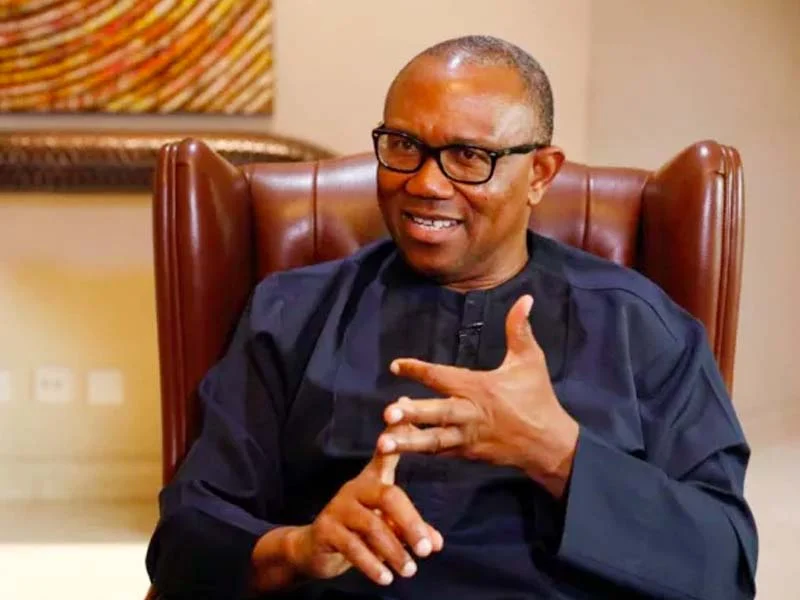
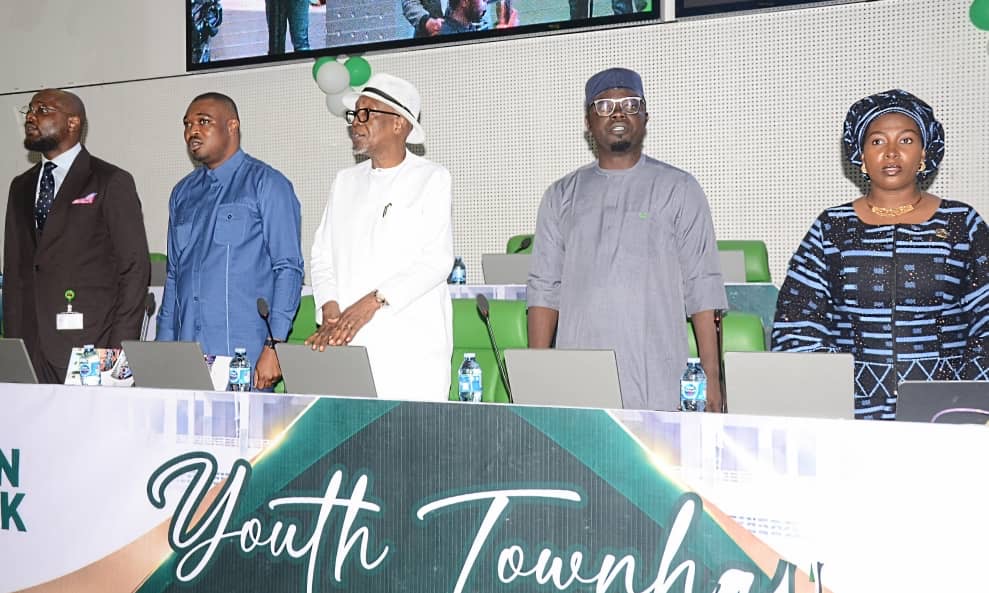
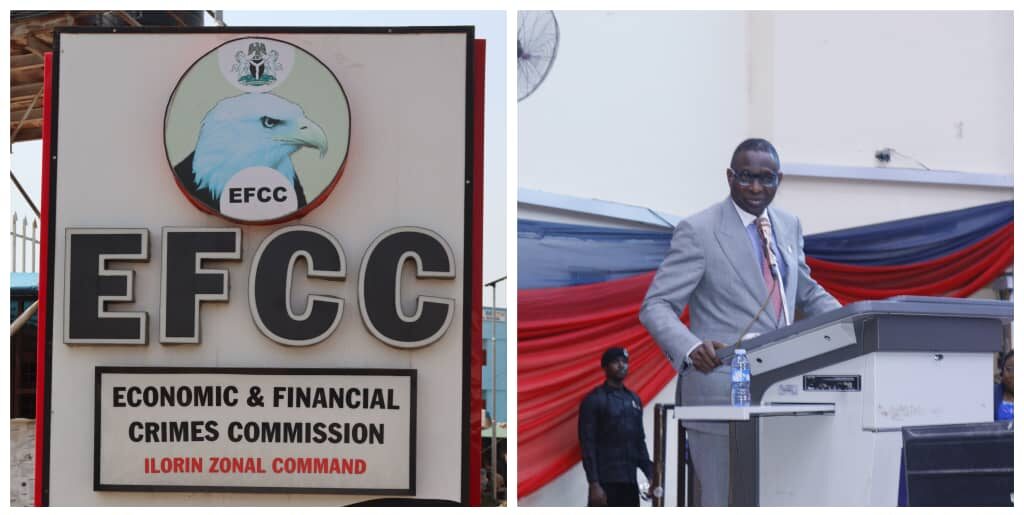
However, they insisted that citizens must take back their democratic power through active engagement. They pointed out that past youth movements like #EndSARS and other protests have influenced public discussions and policy focus.
Yet, they noted that protests alone cannot bring about real change without ongoing involvement in policy processes, laws, and accountability practices. Many who join protests do not have Permanent Voter Cards, according to the panelists.
They called on civil society groups to find smarter ways to engage citizens, stressing that voting is key to democratic accountability. They said when many people vote, it becomes harder to manipulate elections.
They urged Nigerians to get their Permanent Voter Cards before the next elections and to check online for misinformation.
The panelists encouraged youths and citizens to pay attention to positions down to the grassroots level and not just focus on presidential candidates.
They also called for more participation from rural communities, women, people with disabilities, and other marginalized groups.
David Calistus, the Executive Director of Lightway Aid Initiative, told PREMIUM TIMES that the main takeaway from the event was the need for citizens to get their Permanent Voter Cards and vote in the 2027 elections.
He said civic responsibility means moving from awareness to action and described voter registration as a civic duty that allows citizens to influence leadership choices. He warned that not participating would weaken accountability and worsen governance. “Bad leadership, inconsistent governance,” he said.
Chidera Nwokike, a lawyer, said the discussion helped her rethink civic responsibility beyond national elections. She emphasized that local and state governance is also very important.
She said the meeting made her more determined to vote in 2027.
Dim Munachimso, a member of the National Youth Service Corps (NYSC), also spoke with PREMIUM TIMES. He urged Nigerians to get their PVCs and take part in the 2027 elections, “since votes remain decisive in shaping leadership outcomes.”
Drop your comment
No comments yet — be the first to drop the gist 👇