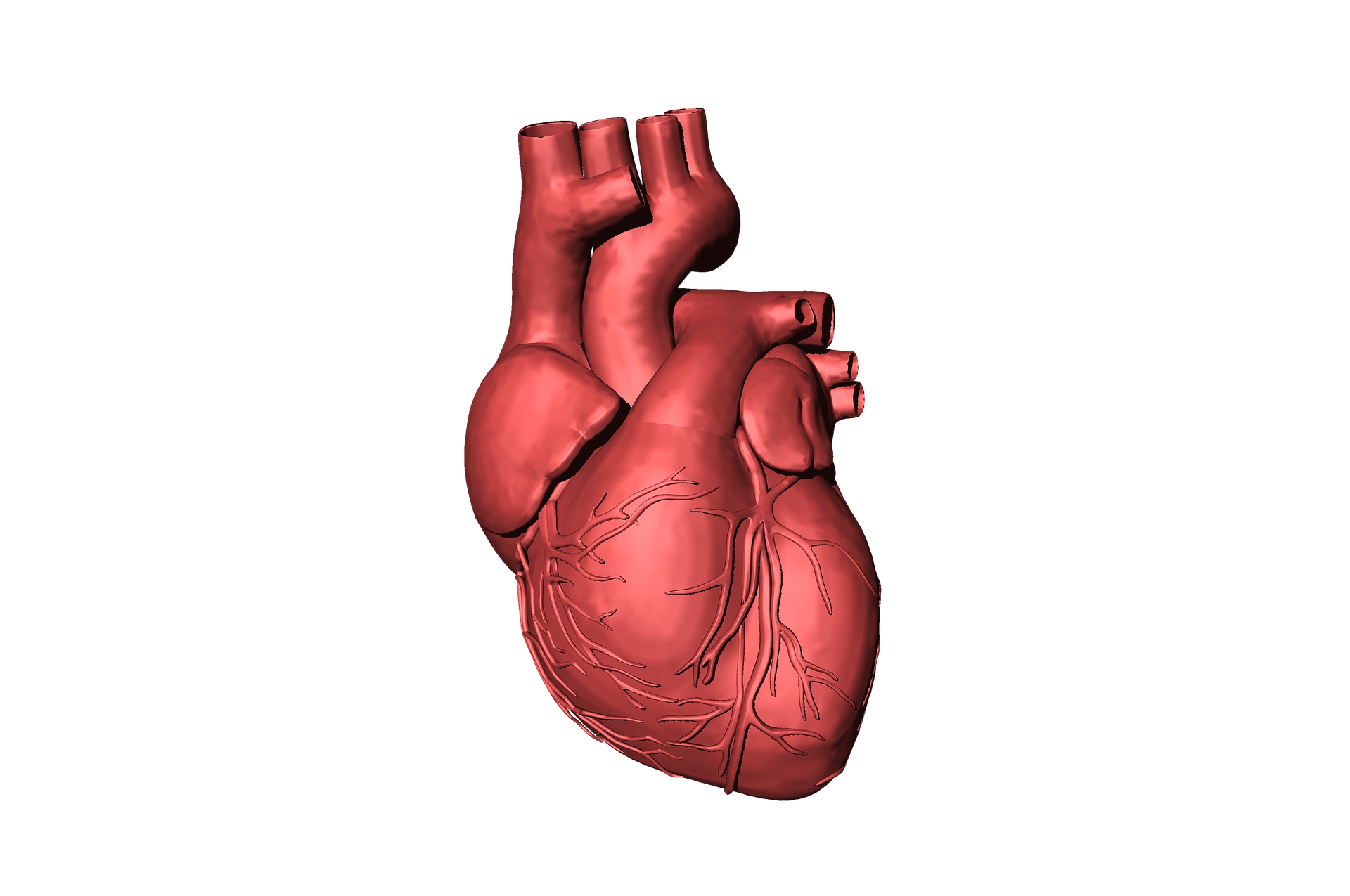
A military heart doctor, Life Ajemba, has warned that high blood pressure, stress, and lack of sleep can raise the chances of heart problems for active soldiers and veterans.
Mr Ajemba, a major-general, said high blood pressure is one of the most common heart issues for active soldiers and military retirees.
In an interview with the News Agency of Nigeria on Wednesday in Abuja, he urged soldiers and veterans to take their heart health seriously. He advised them to go for regular check-ups, exercise, eat well, and get enough rest.
He shared studies showing that high blood pressure made up 15.31 percent of cases treated among mostly retired military personnel between 2015 and 2020.
He also mentioned another study that found a high blood pressure rate of 34.3 percent among active soldiers.
He pointed out that major risk factors include drinking alcohol, smoking, family history of heart disease, and being overweight.
According to him, the tough nature of military work can also raise heart risks because of physical stress, mental trauma, odd work hours, and lack of sleep.
“Military duties affect heart health through a mix of extreme physical stress, mental trauma, and environmental factors that increase the risk of heart disease,” he said.
The military doctor explained that ongoing stress can lead to more hormones like adrenaline and cortisol being released, which raises heart rate and blood pressure.


He added that not getting enough sleep, anxiety, and other mental pressures can also raise the risk of high blood pressure, coronary artery disease, heart attack, and stroke.
Mr Ajemba emphasized the need for regular medical checks among military personnel, saying early detection can help spot hidden issues like high blood pressure, abnormal cholesterol, and high blood sugar.
He said routine medical checks could include monitoring blood pressure and heart rate, blood tests, cholesterol levels, ECGs, chest X-rays, and echocardiograms when needed.
“Early detection ensures that soldiers get treatment while staying fit for duty. This prevents medical evacuations and protects their long-term health,” he said.
He also encouraged soldiers to keep up with regular physical exercise. He said staying fit helps lower blood pressure, improve heart function, and boost stamina during operations.
Mr Ajemba, however, advised soldiers to mix physical fitness with healthy eating, enough rest, and to avoid smoking and excessive drinking.
He said living a healthy lifestyle can help soldiers lower their heart risks and stay fit during service and after retirement.


Drop your comment
No comments yet — be the first to drop the gist 👇