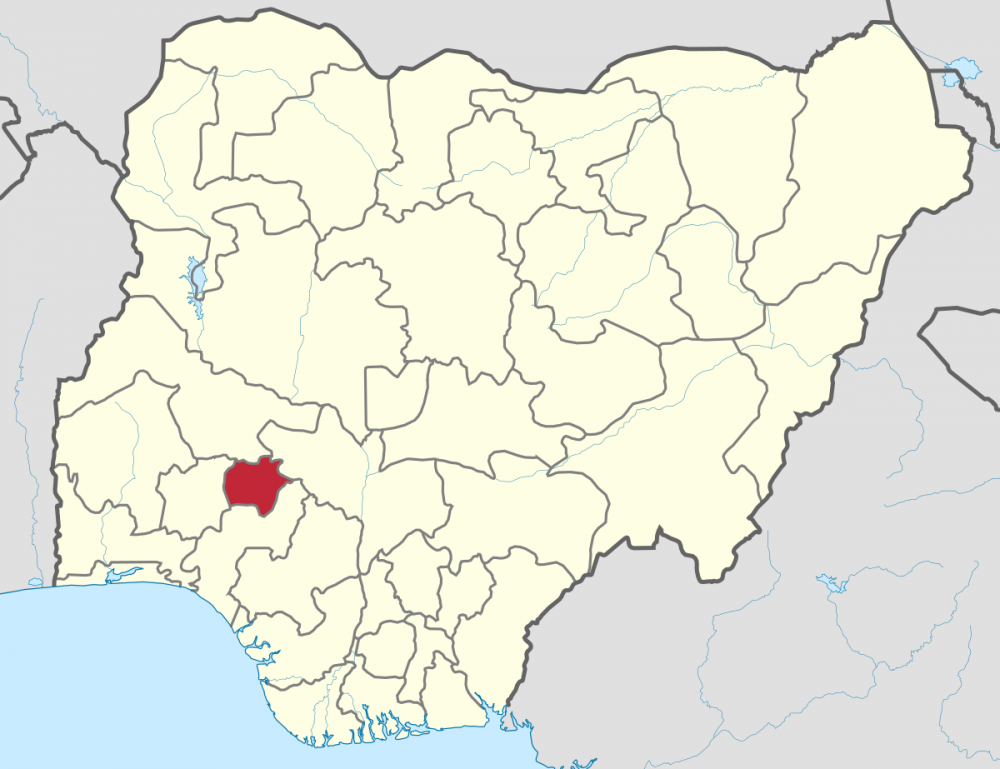
Ekiti State is getting ready for its governorship election on June 20. This time, the state has the largest number of registered voters ever.
But having more voters may not change how elections are won in the state.
The Independent National Electoral Commission (INEC) says Ekiti now has 1,059,360 registered voters. This is an increase from 989,224 in 2022 and 909,585 in 2018.
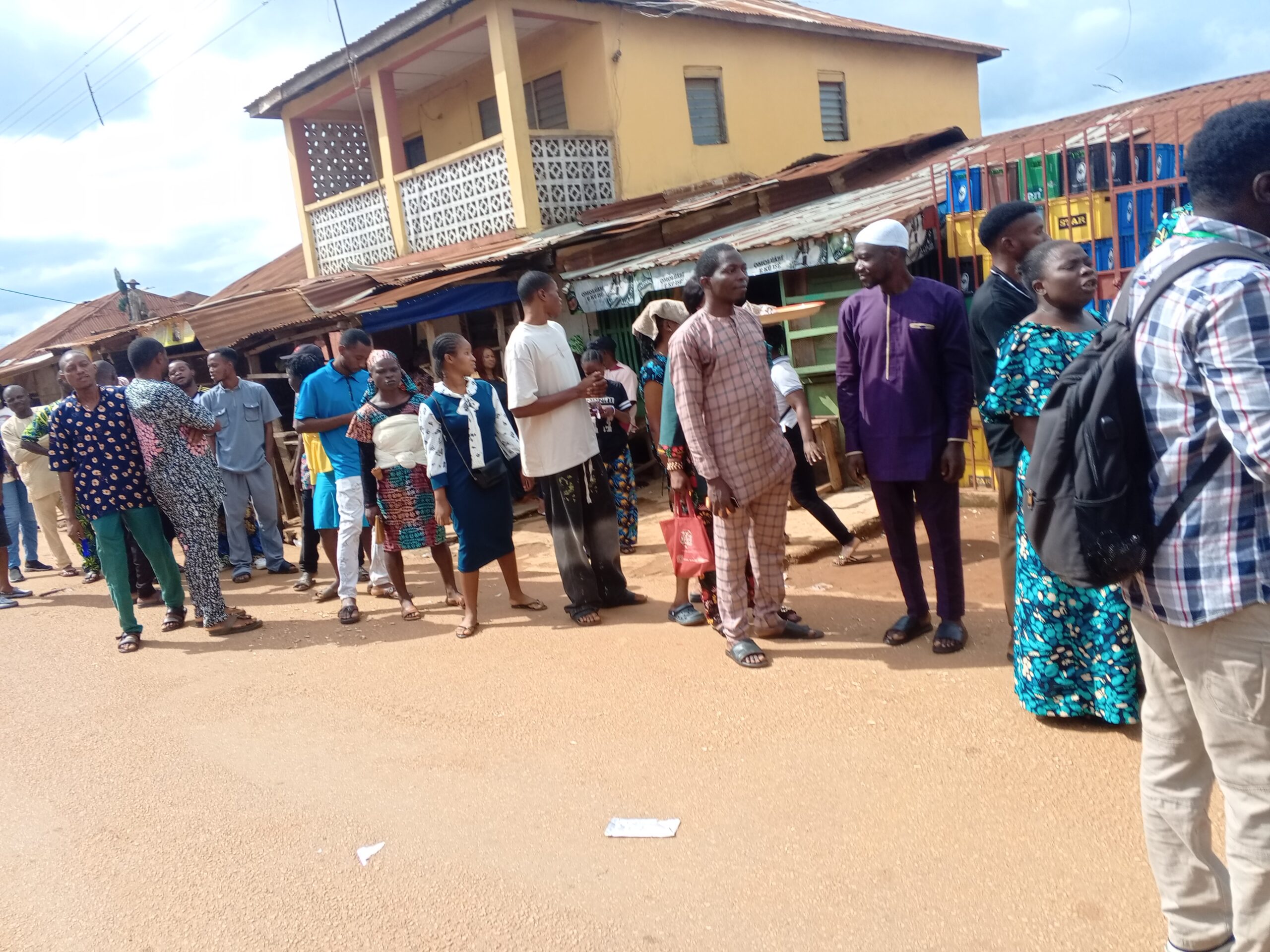
On the surface, this looks like more people are getting involved in democracy. But when it comes to actual voting, Ekiti elections depend on a smaller, more consistent group of voters.
INEC also says that 1,028,929 Permanent Voter Cards (PVCs) have been collected. This leaves 30,431 uncollected, meaning about 97.1 percent of cards are picked up.
While this shows good organization, it doesn’t guarantee that more people will vote on election day.
The gap between those registered and those who actually vote is a key part of Ekiti politics.
History of Turnout and Active Voters
But just looking at turnout doesn’t explain how elections are decided. Over the years, Ekiti has a pattern that focuses more on a steady group of voters rather than new faces.
In 2018, 403,451 votes were cast from 909,585 registered voters. This was about 44 percent turnout. In 2022, turnout dropped further, with 360,753 votes from 989,224 registered voters, which is about 36.5 percent.
Even as more people register to vote, the number who actually show up has not changed much.
In three election cycles, the group of active voters seems to stay between 300,000 and 400,000.
So, even with more registered voters, the group that affects the results has not changed much.
Where Votes Come From
This steady turnout leads to a focus on where the votes come from.
Ekiti has 16 local government areas, 177 wards, and 2,445 polling units. But a few local areas with a lot of people usually decide the elections.
Ado-Ekiti, the state capital, has the most registered voters at 189,432. This is nearly one-fifth of all voters in the state.
It is followed by Ikole with 80,968, Irepodun/Ifelodun with 75,603, Oye with 71,603, Ikere with 69,319, Ijero with 67,776, Ekiti East with 65,520, and Ido-Osi with 61,652.
These areas are the real strength of the state’s elections. They not only have more people but also better party support and stronger voter mobilization.
Other local areas like Gbonyin with 57,771, Moba with 56,968, Ekiti West with 56,175, Ise/Orun with 49,183, and Emure with 39,298 play smaller roles. Efon with 32,062 and Ilejemeje with 20,862 have the fewest voters.
In tight races, even these smaller areas can make a difference, not because they are big, but because of their close results.
Political Structure vs. Reality
On paper, Ekiti’s political setup looks tidy with three senatorial districts and six federal constituencies. But this doesn’t always match what happens during elections.
In reality, voting power is often found in just a few local areas, Ado-Ekiti, Ikere, Oye, Ikole, and parts of Irepodun/Ifelodun. These areas shape outcomes not because of how they are organized, but because of their population and party support.
This means that while zoning sets up the framework, elections are decided in a smaller area of influence.
A Packed Ballot, But a Narrow Race
This pattern also shows in the political parties.
In 2026, there are 14 parties on the ballot, but the real competition is mainly among a few strong parties.
The ruling All Progressives Congress (APC) has incumbent governor Biodun Oyebanji (58) and Monisade Afuye (67) as running mate.

The Peoples Democratic Party (PDP) has Wole Oluyede (61) and Kazeem Ogunsakin (46).
Other candidates include Dare Bejide (ADC), David Falegan (Accord Party), Olu Omotosho (Action Alliance), Blessing Abegunde (NNPP), Victor Adetunji (ZLP), Osinkolu Ayodele (YPP), and Ayodele Praise (PRP), among others.
In total, there are 28 candidates for governorship and deputy governorship. But only APC and PDP have the organization to run effective campaigns across all 16 local areas.
Smaller parties stay mainly in local areas without the strength to compete statewide.
The candidates are mostly experienced but also older, with ages between 40 and 65 years, averaging about 52 years. There are very few women, with no female governorship candidate among the 14.
Women mostly appear as deputy candidates, including Monisade Afuye (APC), Dorcas Adebiyi (PRP), Adenike Ilesanmi (APM), and Itunu Ibitoye (ADP).
Incumbency and Organizational Edge
As the election nears, incumbency adds to the existing advantages.
APC not only has the governorship but also controls local government structures and political jobs, which helps them mobilize across the state.
Supporters say the administration's projects, pension payments, business support, and social programs show good performance that can earn votes.
The PDP is dealing with internal issues from its primary disputes, while smaller parties lack the funds and organization to compete well.
This creates a competitive scene in name, but it remains unequal in strength.
Final Thoughts
All these factors come together in a few key areas.
Ado-Ekiti, Ikere, Oye, Ikole, and Irepodun/Ifelodun are the main battlegrounds in Ekiti politics. These areas combine population and strong party support, making them the main focus.
Smaller areas like Ilejemeje, Efon, and parts of Emure matter only when results are very close, acting as tiebreakers rather than main influencers.
In the end, the 2026 election will likely be shaped less by how many people register and more by how effectively votes are gathered in these key areas.
Expert Opinions
Mustapha Ogunsakin, publisher of Gavel International, shared his views with PREMIUM TIMES. He said turnout in Ekiti has been stable over the years.
“Over the years, there has been no time when the votes have been more than 400,000,” he said. “I don’t think it has ever reached 500,000.”
“We may just see… if we are lucky, about 300,000 to 400,000 people will come out to vote,” he added.
He also pointed out that the strength of incumbency and party issues are key to competitiveness in the race.
Mojeed Jamiu, publisher of Upshot Reports, provided a data-focused view. He noted that while INEC has over a million registered voters, usually only a small number vote.
“Out of the one million registered voters, maybe only about 700,000 will have PVCs,” he said.
Both experts agree: Ekiti’s growing voter register has not changed the size of its active voting group, which seems to stay around 300,000 to 400,000.
Mr Jamiu highlighted Ado-Ekiti, Ikere-Ekiti, and Oye-Ekiti as key areas that often decide outcomes.
As Ekiti heads into the 2026 governorship election with its strongest voter register, almost all PVCs collected, and many candidates, the patterns of participation show little change. Turnout is still lower than registration, major influence remains in a few local areas, and political competition stays focused on just a few strong parties.
In the end, the question is not whether Ekiti now has one million voters, but if those extra numbers will actually go to vote.



Drop your comment
No comments yet — be the first to drop the gist 👇