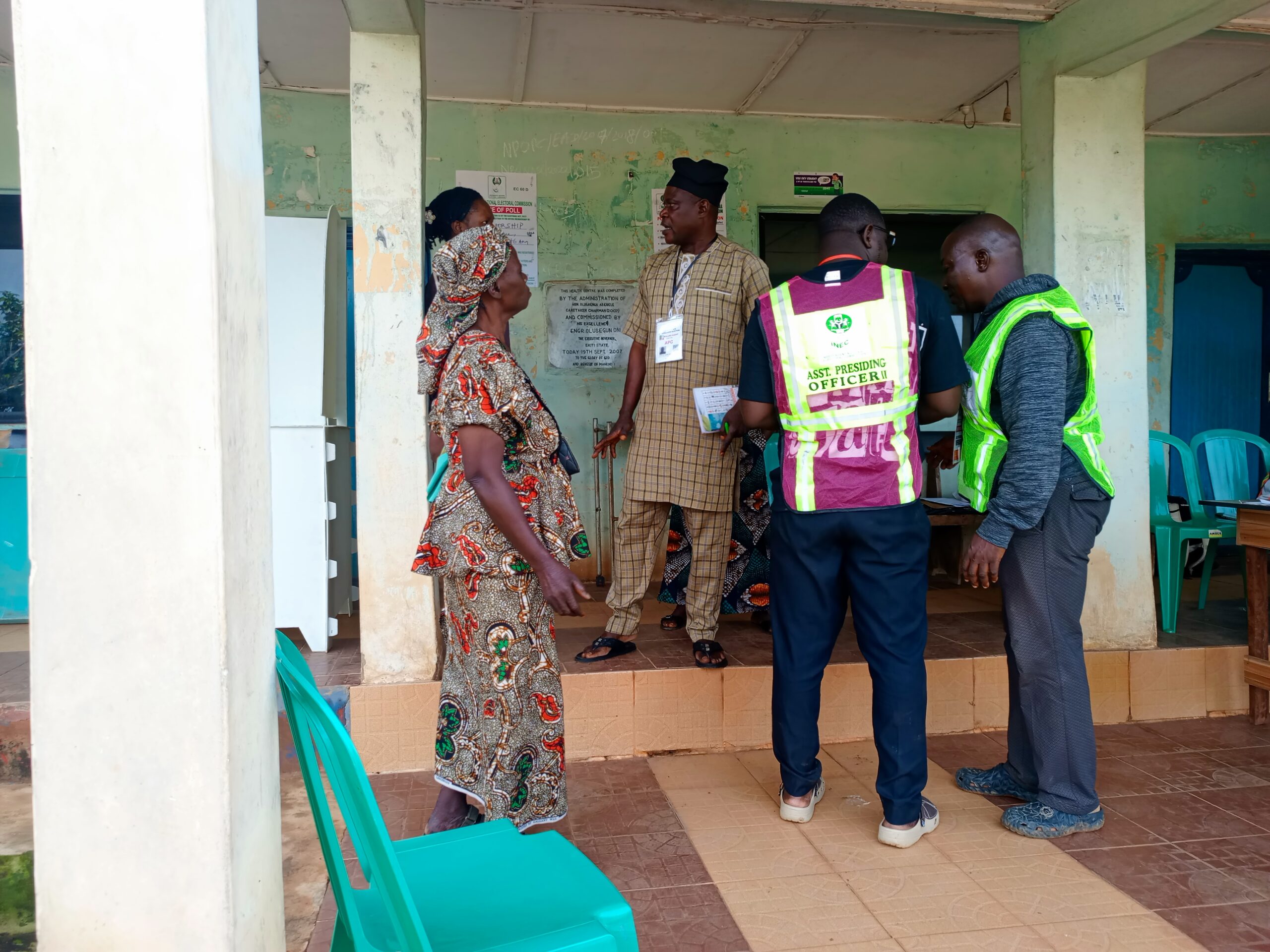
On Saturday, June 20, from 8:30 a.m., Ekiti residents will go to the polls at 2,445 voting centers to choose their next governor. But there's a striking detail about this election: no woman is running for the top seat.
Ekiti is often praised for its high literacy rates. Still, the lack of women on the governorship ballot shows the ongoing challenges women face in Nigeria's political landscape.
Over the years, there have been efforts to get more women involved in politics. But real progress has been slow.
Before each election, political parties, civil groups, and lawmakers have suggested changes to boost women's representation. Still, many of these proposals have hit roadblocks or lacked the necessary political backing to move forward.
The Independent National Electoral Commission (INEC) shared the candidate list, which shows that all candidates for governor are men. Only four women are nominated for the deputy governorship. In contrast, the 2022 elections had two female candidates and seven women running for deputy among 16 total candidates.
This year, more than one million voters have registered, which is up from 900,000 in the last election.
The Contestants
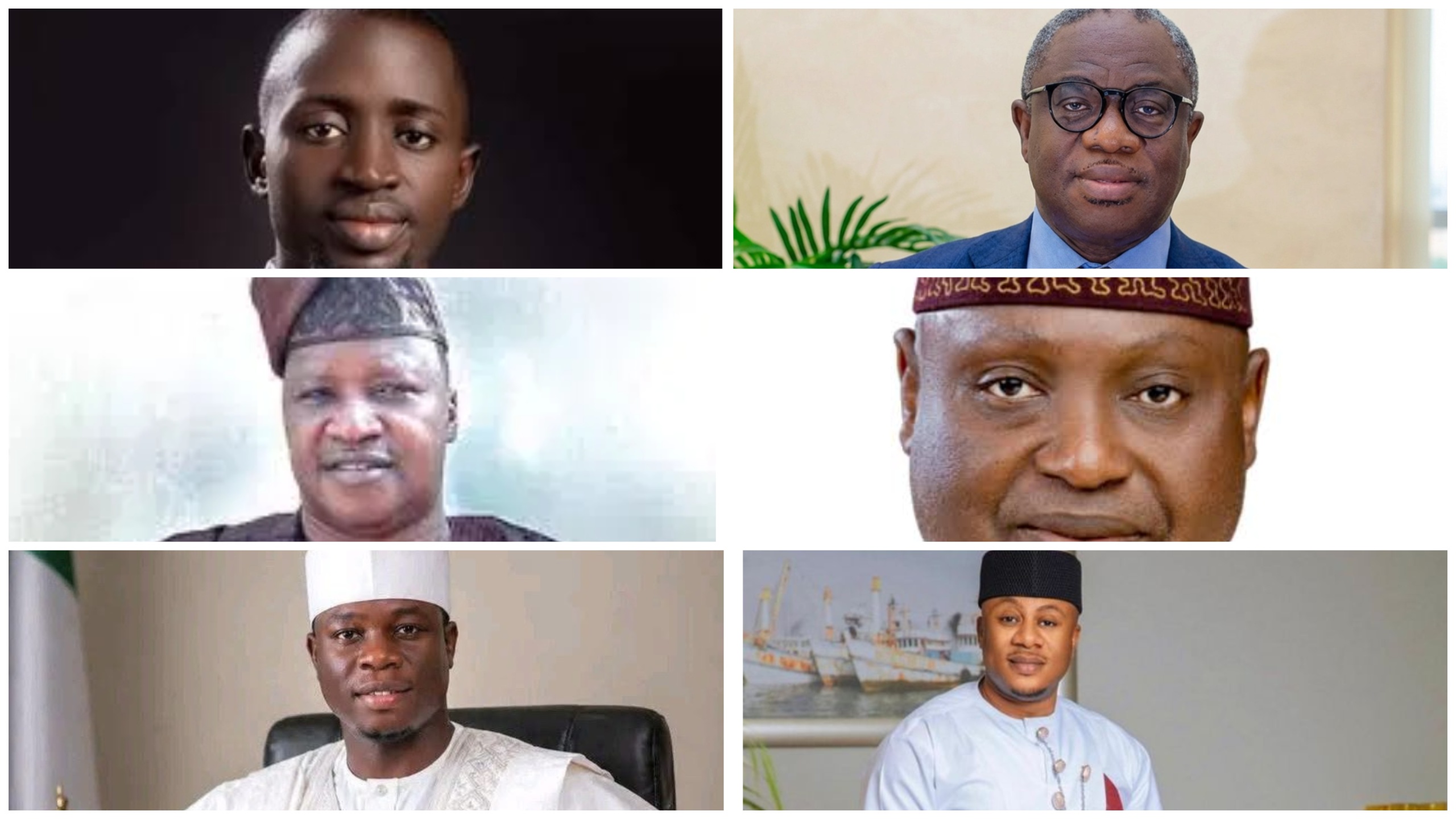
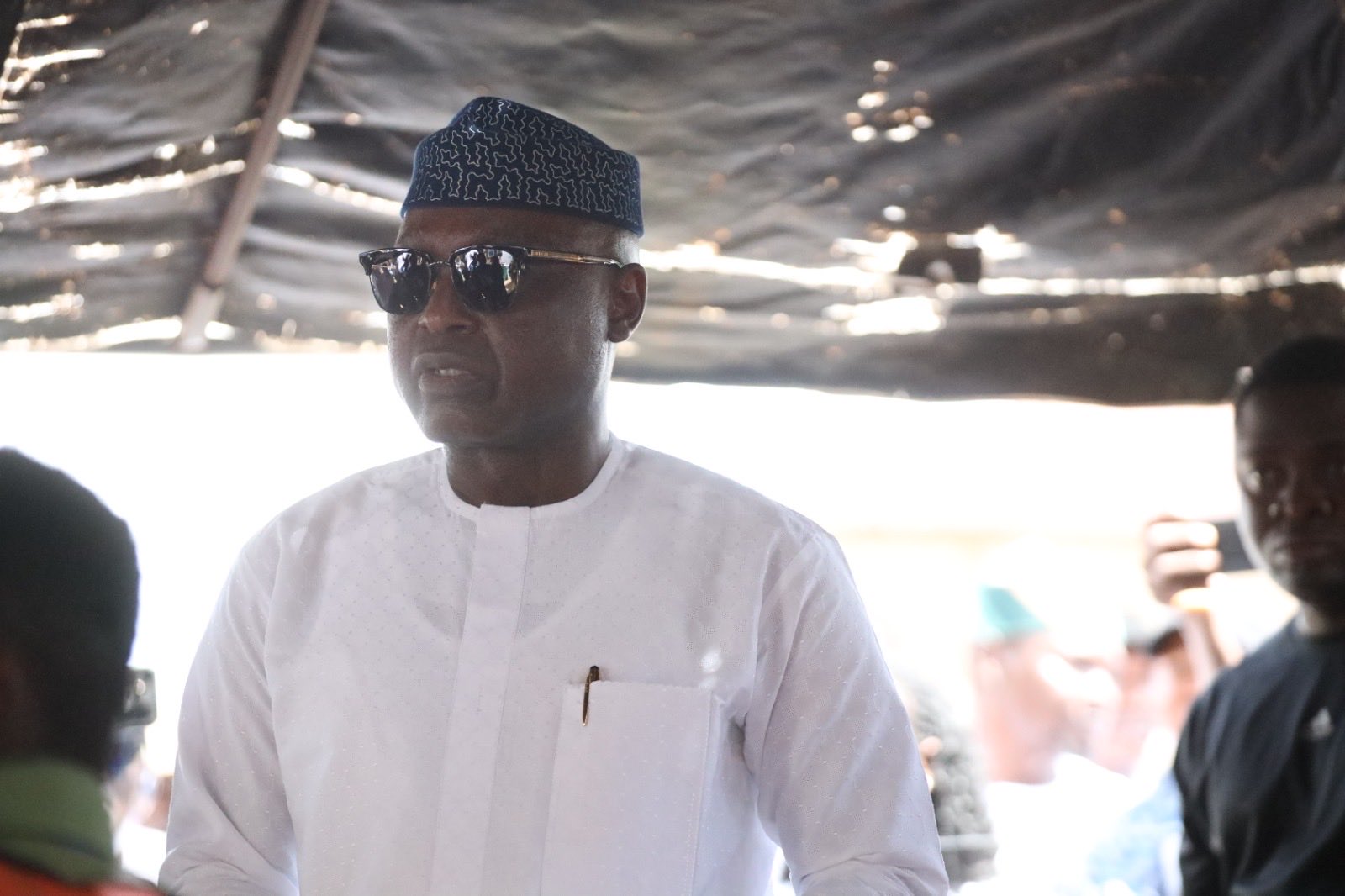
There are 14 candidates in the race. The current governor, Biodun Oyebanji, 58, is looking to be reelected under the All Progressives Congress (APC). His running mate is Monisade Afuye, 67.
The Labour Party (LP) is fielding Olajuyin Oyebanji, 67. Other candidates include David Falegan (Accord), Olu Omotosho (Action Alliance), Patrick Bejide (African Democratic Congress), Ayodeji Ojo (ADP), Olarenwaju Anifowose (APM), Olaiya Awogbemi (Action Peoples Party), Praise Ayodele (Peoples Redemption Party), Ayodele Osinkolu (Young Progressives Party), Wole Oluyede (Peoples Democratic Party), and Damilola Adetunji (Zenith Labour Party).
Among the younger candidates are Abegunde Blessing of the New Nigeria Peoples Party (NNPP), 35, and Akande Samuel of the African Action Congress (AAC), 36.
Analysts think this election will likely favor the incumbent, unlike the 2022 race.
The 2022 election was a three-way fight between Mr. Oyebanji, former governor Segun Oni from the Social Democratic Party (SDP), and Bisi Kolawole from the Peoples Democratic Party (PDP). Mr. Oyebanji won convincingly, leaving Mr. Oni and Mr. Kolawole behind. This result pushed the PDP to third place for the first time since 1999, allowing the SDP to become the main opposition party in the state.
Women Representation
The lack of women candidates is part of a national pattern. Despite many years of pushing for greater women’s involvement, Nigeria's politics is still mostly male-dominated, especially in high positions. Women make up about half of Nigeria's population and voting-age citizens, yet they are still greatly underrepresented in politics.
The female candidates for deputy governor include Ms. Afuye of the APC, who is also the incumbent deputy governor. The other three female deputy candidates come from smaller parties: Dorcas Adebiyi of PRP, Adenike Ilesanmi of APM, and Itunu Ibitoye of ADP.
While their presence indicates some progress, gender activists say that deputy roles often show parties trying to appear inclusive without giving up control of the top position.
So, why are there no women running for governor?
Jide Ojo, a development consultant, said Nigeria’s failure to elect a female governor is a long-standing issue linked to patriarchy.
He called the situation a “very sad commentary on Nigerian democratic sojourn.” He expected President Bola Tinubu to push for gender policies, showing the support for women that he has for his wife. Oluremi Tinubu is Nigeria's First Lady and the first woman to serve three terms in the Senate, representing Lagos Central from 2011 to 2023. Mr. Ojo noted that advocacy and laws supporting women’s rights could help change this.
He explained that the lack of women on the ballot is largely due to the political system.
“For parties like PDP, APC, APGA, ADC, NDC, none has enough women in their National or State Working Committees,” Mr. Ojo said. “That’s where it should start.”
Gbenga Adesunloro added that getting into politics is not easy. It requires a lot of resources and a willingness to take risks, which many women do not have. He called for measures to help more women enter politics. He pointed out that having political support, financial stability, and connections are vital for success, and without these, it is tough for women to gain important political positions.
The Incumbent Deputy
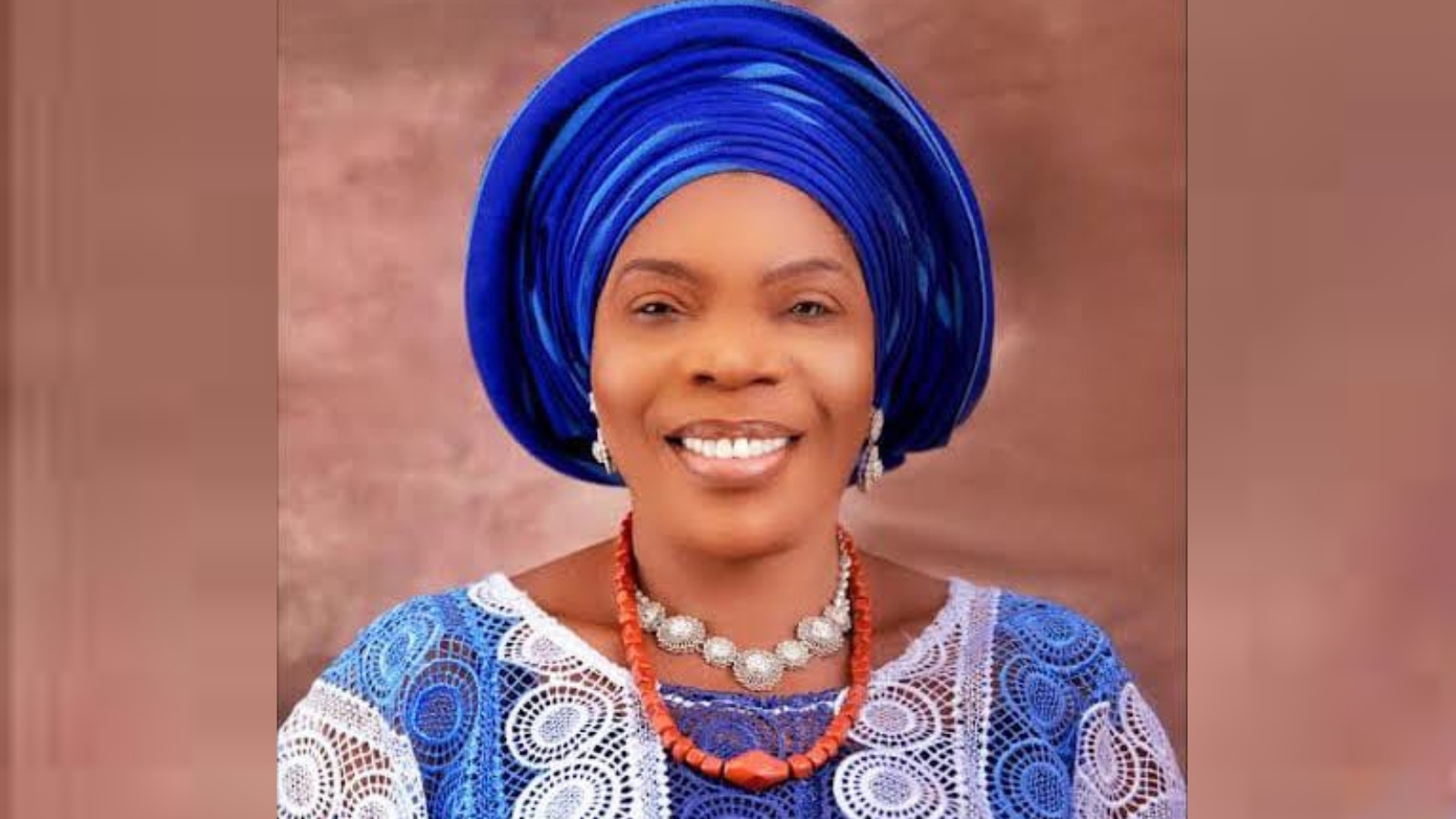
Ms. Afuye, the current deputy governor, is the most notable woman in the 2026 race. With her position and ties to the ruling APC, she has a clear edge over other female candidates. Whether this will lead to any real political change is uncertain.
But the 2026 Ekiti governorship election will not bring the state's first female governor. The current ballot guarantees that.
Hitting the 35 percent women’s representation goal in Nigeria would be a big achievement, said Bukky Shonibare, executive director of Invictus Africa, a civic-tech group focused on human rights and gender equality. Ms. Shonibare said reaching this goal would show Nigeria's commitment to gender equality and encourage women and girls.
By being a leader in inclusivity, Nigeria could promote social unity and growth needed for its future.

Drop your comment
No comments yet — be the first to drop the gist 👇