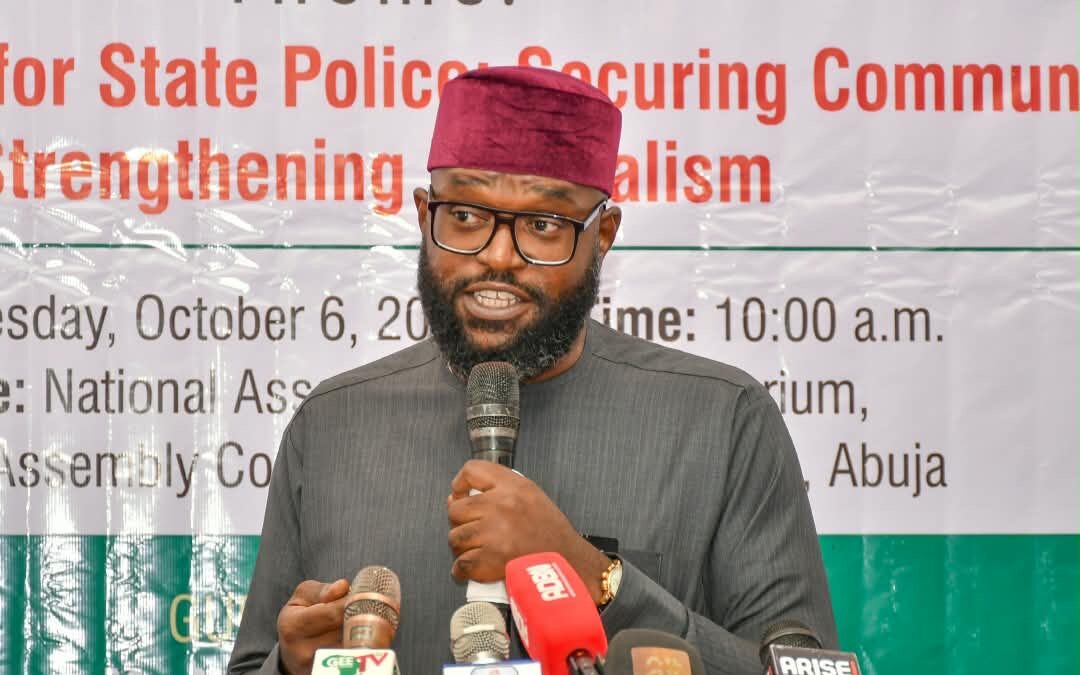
The Secretary of the Presidential Working Group on the National Policing Bill, Nnadubem Moghalu, has announced that four states have approved the constitutional amendment bill aimed at creating state police in Nigeria.
Mr Moghalu shared this information on Tuesday during a lecture at the second annual House of Representatives Press Corps Distinguished Parliamentary Lecture in Abuja. The theme of the lecture was "The Imperative for State Police: Securing Communities, Strengthening Federalism."
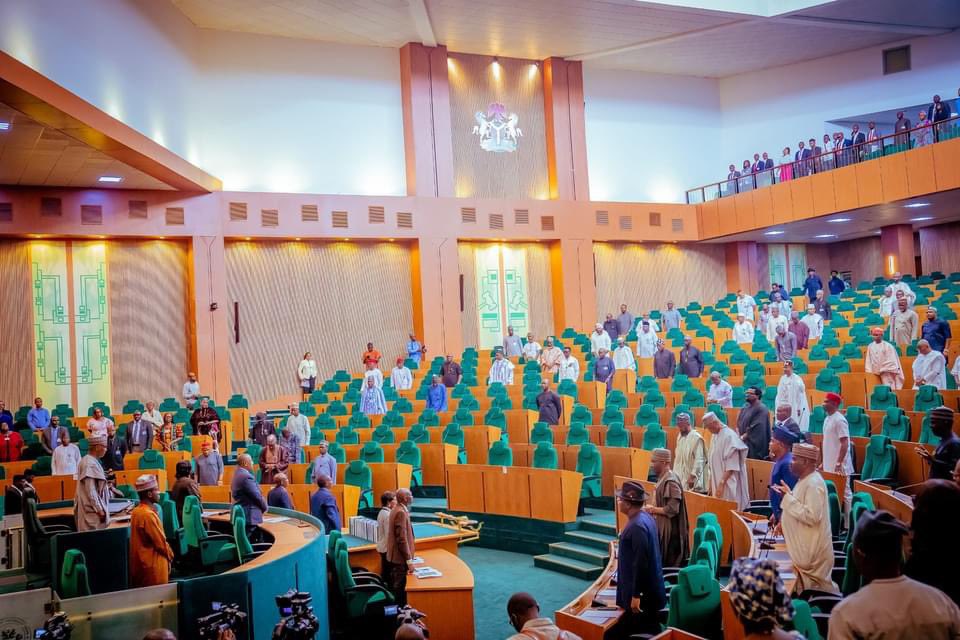
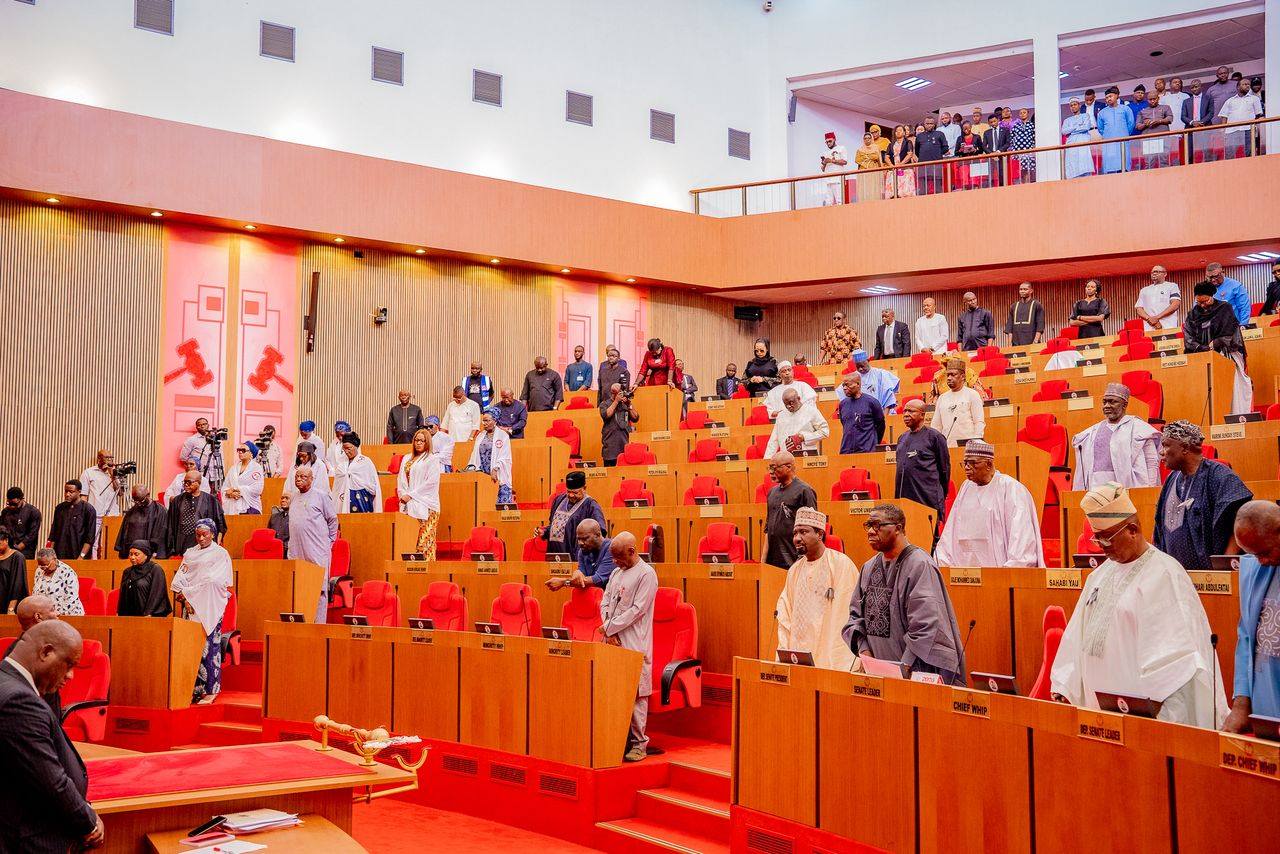
He mentioned that state assemblies have started reviewing the bill after the National Assembly sent it to them as part of the process to change the Constitution. According to him, as of his lecture's preparation, Edo, Oyo, Osun, and Rivers states had approved the bill.
"The National Assembly has sent the constitutional amendment bill to the State Houses of Assembly. They have begun considering and approving it. At the time of preparing this lecture, four states had approved the bill: Edo, Oyo, Osun, and Rivers states," he stated.
Mr Moghalu explained that at least 24 out of the 36 state Houses of Assembly must approve the bill for the amendment to move forward. He added that the process is still ongoing, noting that establishing state police involves more than just changing the Constitution.
"The distinction between the constitutional amendment and the national policing bill we are now working on is very important," he said. "The constitutional amendment creates the constitutional basis for a dual policing model. The National Policing Bill is intended to provide the operational framework through which that constitutional model can work in practice."
He clarified that just changing the Constitution will not be enough to recruit or train police officers, set up police stations, or build the necessary administrative capacity to investigate crimes. "Those tasks require preparation and resources, and they require time to get things done," he added.
Mr Moghalu pointed out that Nigeria's policing problems are partly due to the number of police officers available for the country's population. He mentioned that Nigeria currently has around 380,000 police officers serving over 200 million people.
"This gives you a ratio of about one police officer to every 650 citizens. The minimum international best practice is supposed to be one to 400," he said. He expressed that Nigerians should be able to ask the police for help without needing to contact someone important first.
"Every citizen of this country should always be able to ask the police for help without first finding somebody important to make a terrible call. That should be the ordinary expectation," he noted.
Mr Moghalu also recognized that the police are not the only ones responsible for Nigeria's security issues. He stated that courts, other security agencies, and political authorities have also contributed to the current security situation in the country.
Still, he emphasized that effective policing is key to ensuring that threats are identified early, help gets to victims, and justice is served.
He explained that Nigeria's security needs are very different from one community to another, making local knowledge essential for effective policing. "Policing a dense commercial district requires different knowledge than policing a rural transport corridor," he said.
He argued that state police could bring policing closer to communities while the federal police handle crimes and threats that cross state lines. However, he acknowledged concerns that state police could be misused by governors or local political interests.
"A governor may put pressure on the police to treat a political opponent as an enemy of state," he said, adding that there is also a risk of local majorities using the police against minorities. He stated that these concerns need to be addressed with strong institutions, clear laws, and accountability measures.
"Our institutions must be designed to work, even when people who hold power are people we do not trust," Mr Moghalu said. He urged that the country should not depend on personal promises from current political leaders but should build institutions that can withstand changes in leadership.
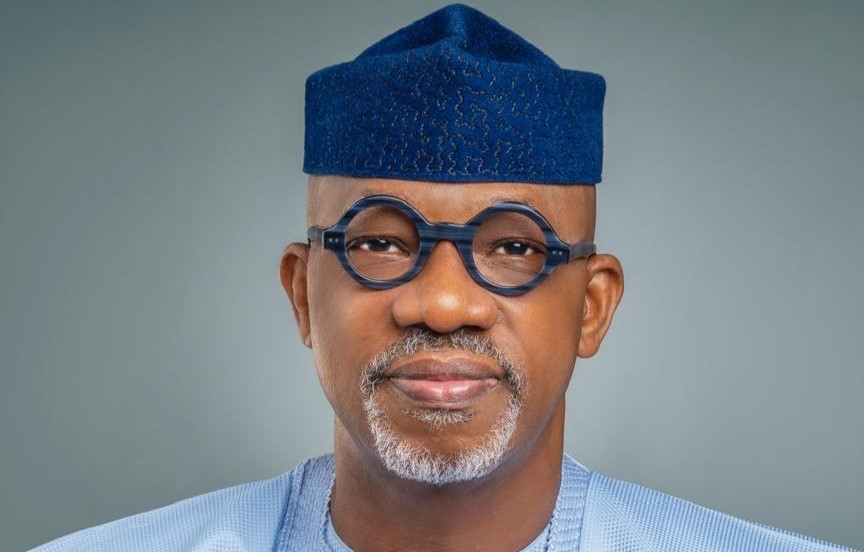
Niger State Governor, Umar Bago, represented by APC National Vice Chairman (North-central), Muazu Rijau, also supported the creation of state police. Mr Rijau said that the high level of insecurity in the country shows the need for a security setup that can respond to the unique situations in various communities.
"We in Niger State and across Africa would love to see State Police become a reality in Nigeria," he said. He mentioned that Niger State supports state police, arguing that it would improve security agencies' ability to tackle local issues.
"The governor’s position is that we must continue to explore practical solutions to the insecurity confronting our people. State Police is one of the proposals that deserves serious consideration as part of the broader reform of Nigeria’s security architecture," he stated.
Ndudi Elumelu, the Minority Leader of the 9th House, said the debate on state police should be seen as both a security and governance matter. He said the discussion must look into the benefits of local policing while addressing concerns around professionalism, accountability, human rights, and political interference.
"A sustainable policing framework must therefore provide effective mechanisms for oversight, accountability, and redress, while ensuring adequate training, welfare, funding, and professional standards for personnel," he said.
In a goodwill message, the Speaker of the House of Representatives, Abbas Tajudeen, represented by the Chairman of the House Committee on Media and Public Affairs, Akin Rotimi, urged journalists to assess legislation based on its content and potential impacts rather than the political context.
"Legislation should not be judged merely by the political circumstances in which it originates. Nor should public policy be assessed simply according to who proposes it, which party supports it, or which section of the country perceives itself to be in favour of it," Mr Tajudeen said.
He encouraged the media to focus discussions on national development away from political biases. "Bills deserve examination of their principles, their provisions, and their likely consequences," he added.
The speaker stated that true patriotism should allow citizens and journalists to critically analyze government policies. "Genuine patriotism requires the courage to ask whether a policy works, whether a law is fit for purpose, and whether public resources are being deployed in the national interest," he said.
He also urged journalists covering the National Assembly to report not only on what lawmakers say but also on the implications of their decisions. "As journalists, the public deserves reports and accounts of not only what was said, but also what is at stake," Mr Abbas said.
He emphasized that the House expects accurate, fair, and contextual reporting but does not want the press corps to turn into an "echo chamber for parliament."
Earlier, the Chairman of the House of Representatives Press Corps, Gboyega Onadiran, mentioned that the choice of state police as the theme reflects urgent security concerns for Nigerians. He said journalists covering the National Assembly often hear from lawmakers who receive distress calls about terrorism, banditry, kidnapping, and other security issues.
He noted that the subject of state police has moved from a theoretical discussion to a real concern for millions of Nigerians. Mr Onadiran said the main questions are whether state police can protect communities without becoming a political tool for governors and how the system can improve federalism while maintaining professionalism, accountability, and independence.
He said the corps organized the lecture to help the public understand parliamentary processes and to contribute to the national debate on governance and security. The state police bill aims to create a system where individual state governments have their own police forces alongside the existing Nigeria Police Force controlled by the federal government.
The proposed model is meant to bring policing closer to communities, allowing officers to respond faster to local security challenges and use better knowledge of the communities they serve.

Drop your comment
No comments yet — be the first to drop the gist 👇