
In Nigeria, many political party members see government resources as rewards to be shared among themselves. They think winning elections means they should get offices, contracts, and other benefits, even if they are not qualified. If they had their way, only party members would be appointed as commissioners, ministers, and board members.
Technocrats, no matter how qualified, often face rejection because they did not help in the election victory. When they do get appointed, party loyalists often treat them as outsiders taking jobs meant for them.
This is the challenge Governor Dauda Lawal found in Zamfara State. His choice to mix competence with political needs and give big projects, like the Zamfara International Airport and major roads, to reputable companies put him at odds with the old political order. This order believes that contracts and appointments are rewards only for party members.
This issue is not just in Zamfara or Nigeria; it has a long history. In the United States, Senator William L Marcy of New York defended the “spoils system” in 1832 with the saying, “to the victor belong the spoils.” This means that winning a political battle gives the winning party's supporters rights to government jobs and benefits. The Nigerian version has its own twists, but the basic idea is the same: being part of a party is seen as an investment that should pay off when power is gained.
With this mindset, a party member who helped gather votes feels they deserve a government contract, regardless of their skills. The same goes for appointments, which are often seen as jobs for friends. But for Zamfara State to grow, this way of thinking must change. For years, no governor wanted to challenge the status quo.
Lawal knew he would face strong resistance from the old guard, no matter how skillfully he approached it. He stepped into the role ready to change a system that had been in place for three decades but had not delivered results. The same favoritism towards party members also influenced the state budgets. Spending on salaries and running costs was always prioritized, while capital spending was neglected, creating a major infrastructure gap. In 2026, Lawal changed this. Of the ₦861 billion budget he presented, ₦714 billion, or 83 percent, was for capital projects while ₦147 billion, or 17 percent, was for recurrent spending.
Lawal’s efforts to change old practices, which had failed, and to shift the government focus from serving a select group of party members to benefiting the wider population, upset those who were used to the old ways.
Many politicians feel deeply entitled. At one time, members of the Peoples Democratic Party (PDP) jokingly called themselves “People Dividing the Pepper.” This phrase reflects the belief that political power is mainly about sharing government resources among party members. This is the patronage mentality Governor Lawal is fighting against: that those who helped him win the election have exclusive rights to government resources.
Lawal, a smart political player, likely expected backlash during election seasons. He also understood that changing an old system would not be easy. He probably prepared for accusations of marginalization by ensuring local contractors also got contracts alongside reputable companies. This has been a smart move for him.
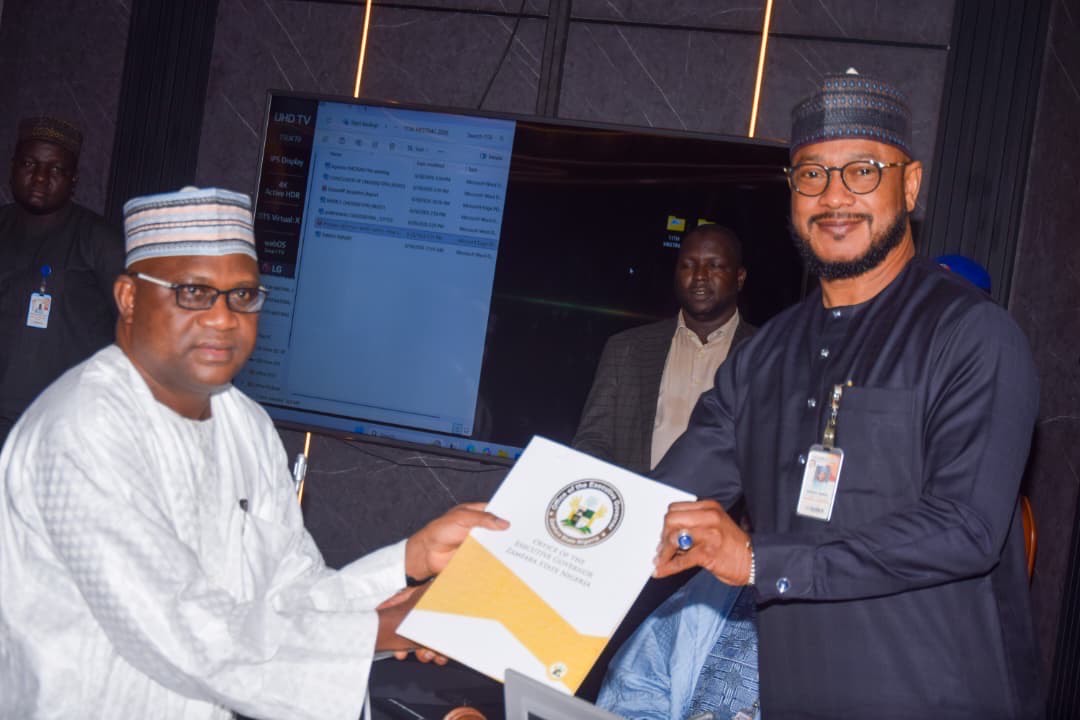
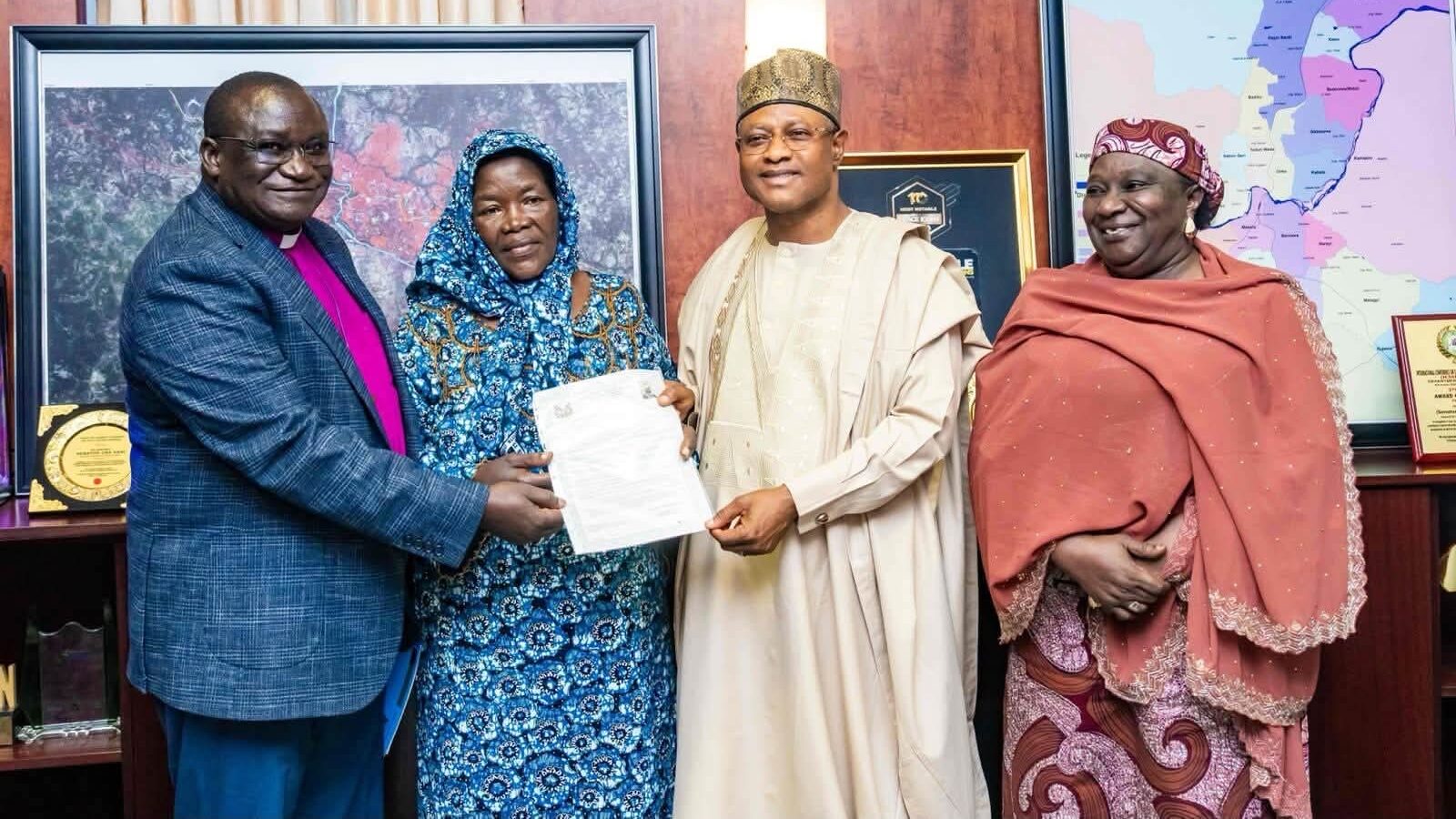
The expected clash came at the APC stakeholders’ meeting where Governor Lawal spoke about the claims surrounding contracts, patronage, and empowerment. Instead of being defensive, he laid out his administration’s achievements and strongly denied that political stakeholders were excluded from government opportunities.
The governor stated that many party leaders and important political figures had received contracts and benefited from various government programs. He rejected the idea that his government had intentionally left out political stakeholders. The actual issue, he said, was that the government had not shared details about contract awards, including who got the contracts and the amounts involved. “Na yi kuskure,” he admitted, meaning “I made a mistake not disclosing these facts.”
Lawal’s acknowledgment is significant because the lack of information allowed false claims to spread. Contractors were supported by the government while still telling the public that they had not benefited. With no official record to challenge their claims, people believed them. He criticized those misrepresenting facts but accepted that the government’s silence allowed this to happen.
Lawal’s approach to fix the information gap instead of arguing with critics is key. He said the government would start publishing the names of contract beneficiaries, the projects awarded, the contractors involved, and the amounts. This move will make it hard for anyone to claim they were excluded against the official record.

What Lawal did not mention, maybe on purpose, is that some of those making accusations might want to tarnish his government’s name or did not want to share benefits with others. There’s also the chance that some are “fifth columnists” trying to create a false impression of his administration ahead of the 2027 elections.
The stakeholders’ meeting shifted the conversation from political blame to a more important question: what should public resources be used for?
Governor Lawal, who came into power on a “Rescue Mission,” challenged the politicians’ idea of empowerment as just cash gifts or favors for a few. Responding to complaints from people like Hon. Sani Jaji and Hassan Nasiha, he pushed for a broader view of empowerment that includes building roads, water projects, funding security, and other infrastructure that would create more opportunities for many people, not just a few political actors.
Lawal also pushed back against limiting “empowerment” to money distribution, a practice popularized by former Ekiti State Governor Ayo Fayose’s “stomach infrastructure” politics. Lawal believes governance should not be about handing out small amounts of money, motorcycles, food, or other temporary benefits. While these may offer quick relief, they fail to tackle the root causes of poverty or promote sustained growth.
For Lawal, real empowerment means creating conditions that help citizens become self-reliant. This explains the big focus on education, healthcare, vocational training, and scholarships while also restoring security and providing infrastructure for economic activities.
His administration’s focus on solving security issues in the state is linked to its economic plans. Farmers cannot return to their farms, and traders cannot work freely if their communities are unsafe. By restoring peace and creating a space for business to thrive, the government is creating chances that go beyond immediate political benefits.
The same goes for infrastructure. Roads, schools, hospitals, and water systems should not only benefit those who support the government; they are public assets for everyone. A well-functioning hospital helps both politicians and farmers. Good rural roads make it easier for agricultural products to reach markets. Reliable infrastructure connects communities, lowers business costs, and spreads economic wealth.
In this way, Lawal’s vision of empowerment is not about what the government can distribute to party members today, but what it should build to benefit many people.
The importance of the stakeholders’ meeting lies in this discussion. It revealed two competing views on governance: one focused on distributing government resources through personal networks and another that emphasizes the greater good. Governor Lawal’s choice to move away from old practices was always going to shake up those used to the benefits of the past. But the people of Zamfara State deserve a government that uses public resources in the interest of all.
Governor Lawal has rightly stood firm in upholding the promise between the government and the people. For him, leadership is about fulfilling that promise, creating a safer and more developed Zamfara State.
For Zamfara State, the issue is not whether party members have a rightful place in governance. They do. The real question is whether being politically active should automatically mean entitlement to public resources, regardless of skill or the needs of the wider public.


Drop your comment
No comments yet — be the first to drop the gist 👇