
Ears around the world have been glued to news about Houthi attacks on Saudi Arabia since September 14, 2026. Reports have focused on attacks against Saudi fuel pipelines and military sites. Many stories paint Saudi Arabia as the victim, but this view misses a lot.
In reality, Saudi Arabia has acted as the aggressor. Since March 26, 2015, they have bombed the people of Yemen, often referred to as Houthis. While the Houthis represent a large part of Yemen, there are other groups fighting alongside them against Saudi forces.
The Saudis have shown extreme brutality in their attacks on Yemen. In my December 1, 2017 column, I stated: “Everything is game to the Saudi bombers, which first obliterated schools and hospitals, then turned their fury on all gatherings, markets, weddings, even funerals. It also imposed a blockade. Over 12,000 Yemeni civilians have been killed. 3.3 million children and nursing mothers are suffering from acute malnutrition, and cholera is rampant, yet Saudi Arabia and its allies will not relent. The cemeteries are overflowing so much that a good foreign investment in Yemen would be the building of new cemeteries.” That was nine years ago! How can the Yemenis, defending themselves, be called the aggressors?
So why has the world remained quiet about the suffering in Yemen? The reason lies in the fact that Saudi Arabia has support from other nations. The mass uprising that toppled the Yemeni government in 2014 was viewed by Sunni-led countries as a threat from the majority Shiite population. After the defeat of the Hadi regime, Saudi Arabia rejected Yemen’s new government in Sanaa and formed a coalition to stop the Houthis from taking full control.
The countries that joined this invasion included Bahrain, Kuwait, Qatar, Jordan, Saudi Arabia, the United Arab Emirates (UAE), along with three African nations: Sudan, Egypt, and Morocco. The UAE took advantage of the chaos to seize Yemeni islands and ports, claiming them as Emirati territory.
The media also spreads the false claim that the defeated Hadi regime is Yemen's “internationally recognized government.” This so-called ‘Presidential Leadership Council’ under Rashad al-Alimi vanished when the Yemenis recently took over more territory, including the Red Sea and the Hanish islands.
Another misleading idea is whether the United States (US) will remain neutral or back Saudi Arabia against Yemen. Many think the US is not involved in this conflict. In reality, the US has supported Saudi military actions in Yemen since 2015.
The last major US military strike against the Houthi-led Yemen was in March 2025. That attack killed 153 civilians and injured 243, including women and children. This week, the US didn't rush to defend Saudi Arabia, likely because they are tied up with their own issues in Iran. Plus, the mid-term elections in the US are coming up, and many Americans are tired of war.
The US news outlet Axios reported that Saudi Arabia’s Crown Prince Mohammed bin Salman (MBS) reached out to US President Donald Trump for military help twice. Trump turned him down both times. Instead, the US sought a separate agreement with the Houthis, asking them not to target US vessels in the Bab al-Mandab Strait, which Yemen has recently taken control of. American officials even held talks with the Houthis at the US embassy in Muscat, Oman.

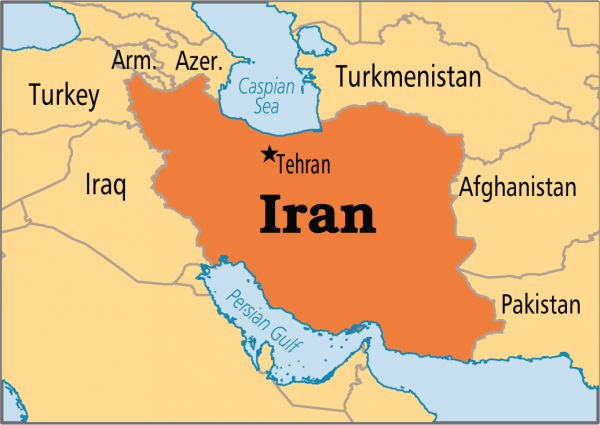
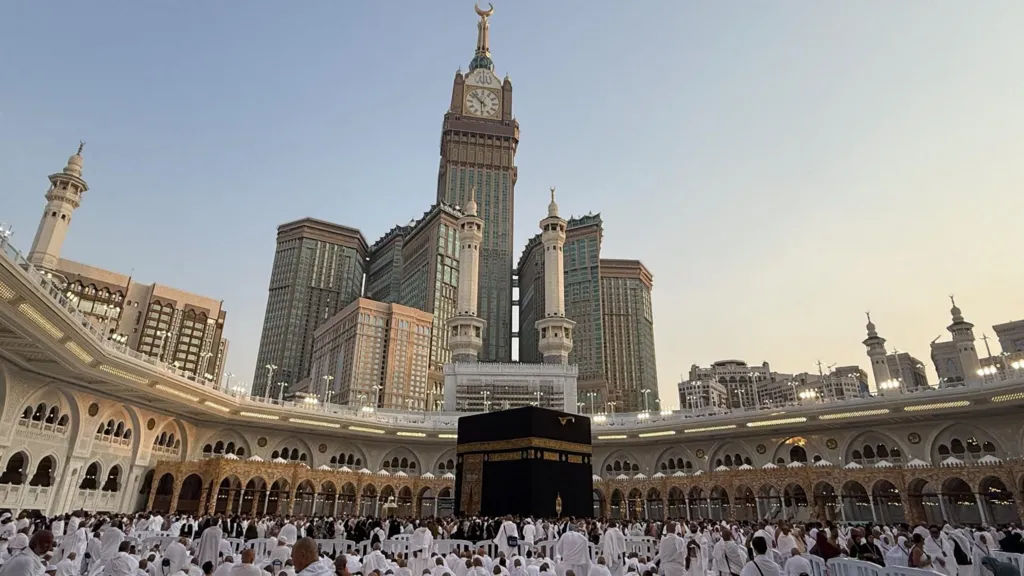
Feeling threatened, Saudi Arabia has turned to France, Britain, Pakistan, Turkey, and Egypt for help against Houthi attacks. The Saudis know that if they lose access to the Red Sea and Strait of Hormuz, it will hurt their oil trade, so they are trying to pressure Western Europe to intervene by threatening to cut oil sales.
Yemen has a rich history spanning about seven thousand years, and its people are spread across many countries, including Nigeria. In Lagos, they are known for introducing Islam and blending into the local culture.
The war in Yemen began in 2010 after the Houthis were shut out of governance by President Ali Abdullah Saleh, who ruled for thirty-three years. There were worries that if the Houthis participated in elections, they would win big. So, they led protests against the Saleh regime. Attempts to silence them led to armed conflicts, and the government was overthrown.
Saleh then held a single-candidate election, handing power to his deputy, Abd Rabbuh Mansur Hadi. Hadi tried to govern like Saleh, but the Houthis, with Saleh's backing, took on Hadi's government and defeated it on January 20, 2015. Hadi was in the Presidential Palace during the takeover, but he was not harmed. He later fled to the south, where the Saudi coalition named him head of their “internationally recognized government.” He died at 80 in Riyadh on May 28, 2026. Saleh tried to switch sides again but was killed on December 4, 2017, in a clash with the Houthis.
Even though the Yemeni government has shown it can challenge Saudi Arabia, there are doubts about its ability to defend the vast areas it controls. Most of its fifteen years of fighting has been guerrilla warfare.
Ali al-Dahab, a Yemeni military expert, discussed this on Al Jazeera: “The Houthis’ military doctrine is primarily based on guerrilla warfare, and the necessary tactics related to adapting to the terrain. They compensate for their weakness in the coastal areas by ascending to mountainous areas and controlling them, and setting up firing positions to defend these coastal areas.”
On the other hand, Saudi Arabia could choose to make peace with Yemen and let them have control over their own land. If they choose to continue fighting, they could find themselves facing a situation similar to what the US experienced in Vietnam and Afghanistan. Yemen could turn into a graveyard for them.


Drop your comment
No comments yet — be the first to drop the gist 👇