The Independent National Electoral Commission (INEC) is happy with how its election technology worked during the mock accreditation in Plateau State.
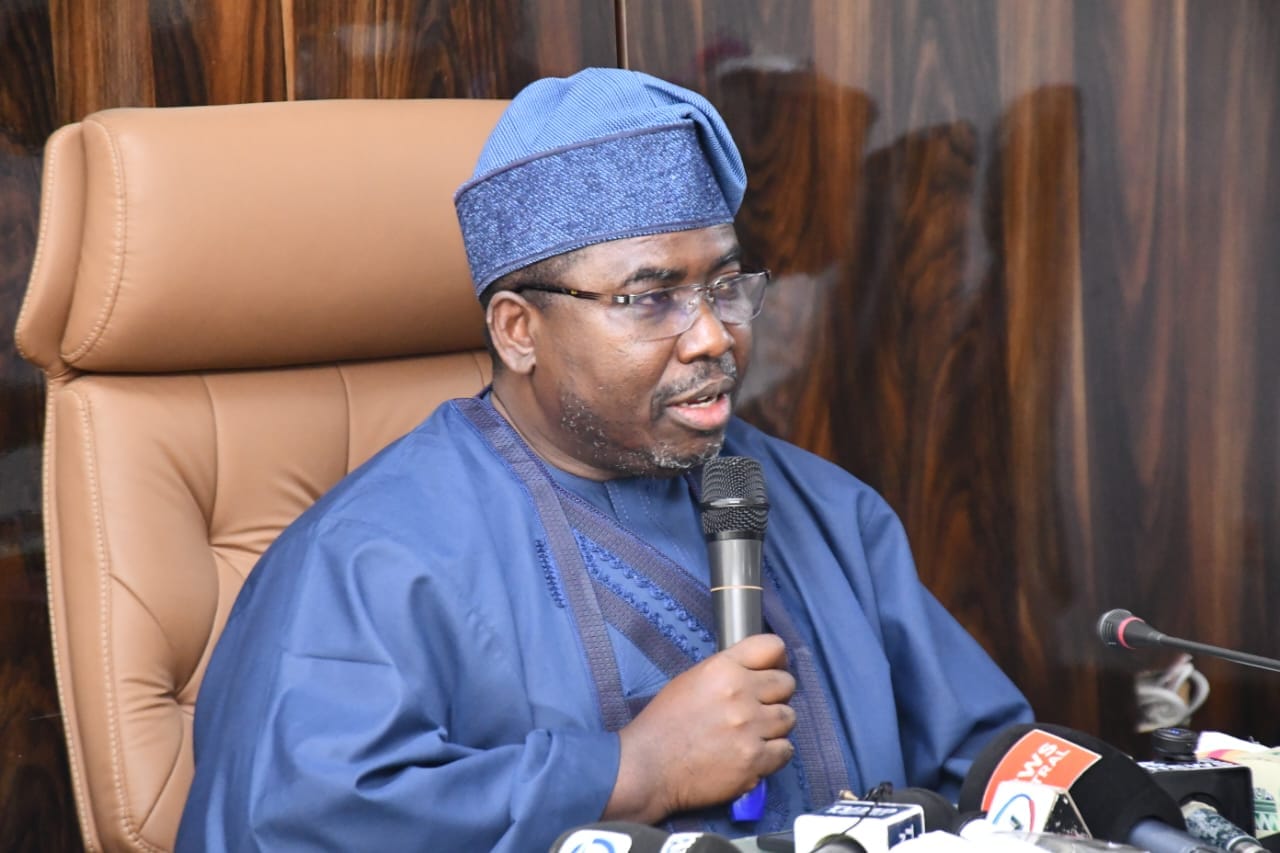
INEC Chairman, Joash Amupitan, went to Jos to watch the exercise. He said the technology and participation at the places he checked were impressive.
But in some polling units in Jos, there was uneven voter turnout. Some locals said the low turnout was due to poor mobilization and publicity by INEC.
The exercise took place on Saturday in selected polling units around the country. It aimed to test how the Bimodal Voter Accreditation System (BVAS) works, the electronic transmission of results, and how ready INEC is for the upcoming elections.
At Obasanjo Model School in Jos South Local Government Area, Mr. Amupitan observed the accreditation process. He spoke with electoral officials and voters at polling units 005 and 030, which were among the designated centers.
"You can see yourself that it is very impressive. The turnout is very good," he told journalists.
He explained that the exercise was mainly to test the BVAS and the INEC Result Viewing Portal (IReV). He felt encouraged by the improvements in biometric verification.
"Today, I have seen a great improvement in the sense that a lot of people were able to be accredited using the fingerprints. Those who failed the fingerprints were able to do facial accreditation, which is quite impressive," he said.
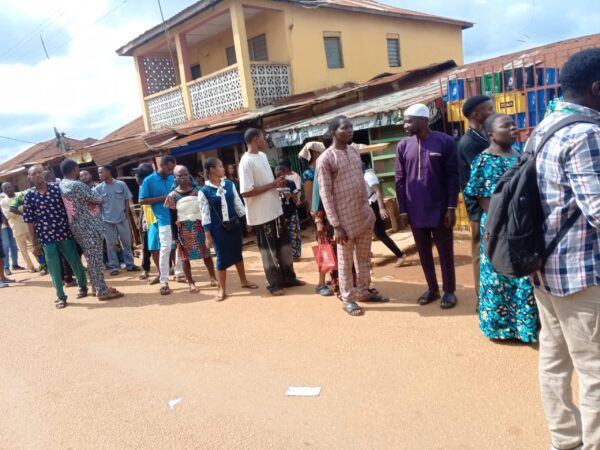
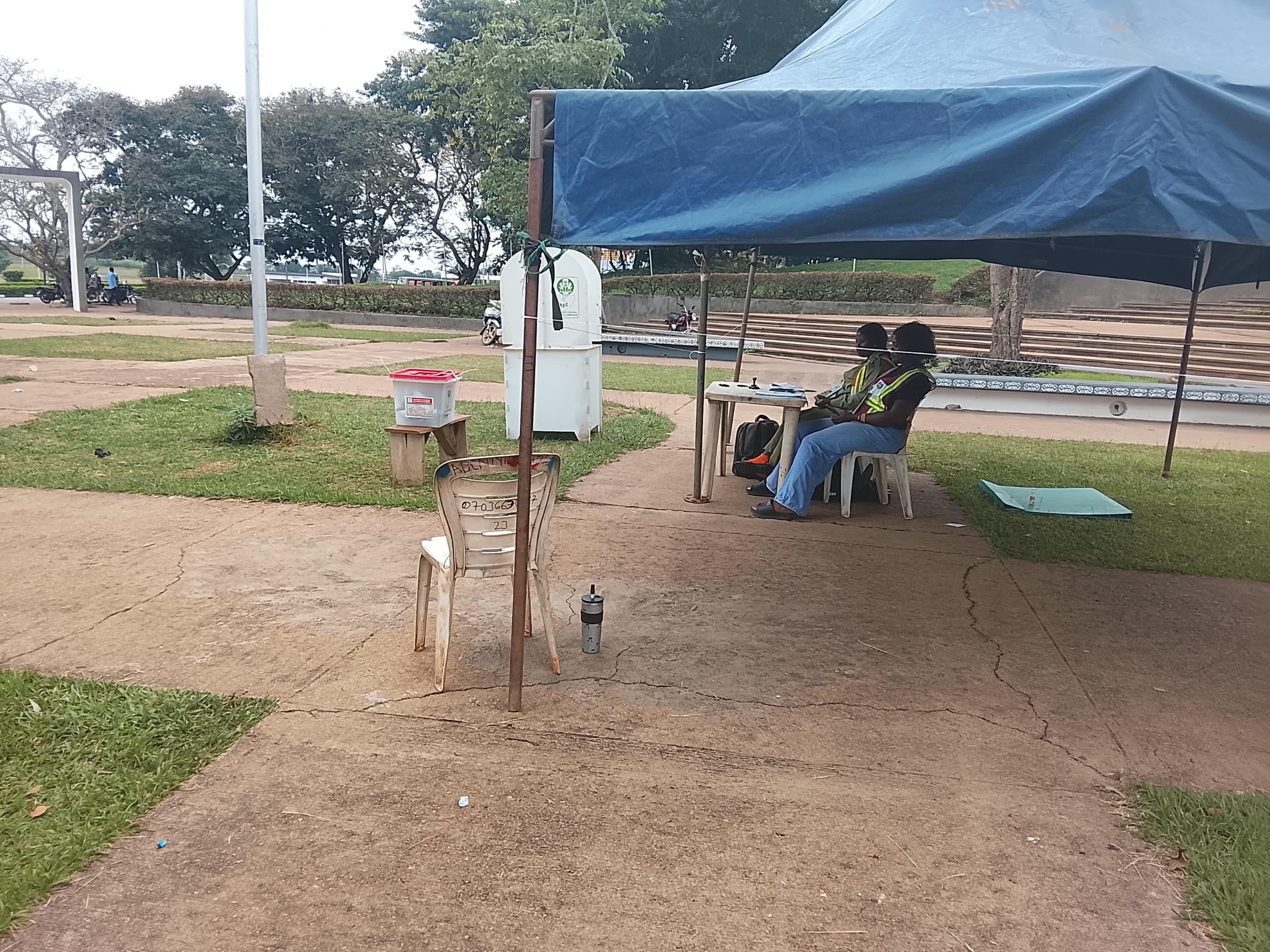
But reports from other areas in Jos showed that participation was not the same everywhere. At Polling Unit 014, Garden of Peace, and Tafawa Balewa polling unit in Jos North Local Government Area, electoral officials were seen waiting for voters when journalists arrived.
The difference between the activity at Obasanjo Model School and the low turnout in parts of Jos North raised questions about public awareness and mobilization for the exercise.
Some residents said the low turnout was because INEC did not do enough to inform people about the exercise. They said many eligible voters did not know about it or did not have enough information about its purpose and importance.
They suggested that INEC should do more public sensitization, especially in communities and wards. They felt relying mostly on formal announcements and publicity was not enough.
Residents' concerns show how important direct community engagement is in election preparations. This is crucial when INEC needs public participation to test its technology and gain confidence before a general election.
Mr. Amupitan, however, said the situation was partly due to the monthly environmental sanitation exercise, which usually happens on Saturdays. Though it was suspended for the mock exercise, some residents said they could not come out early because of it.
He insisted that this should not be seen as a failure of public sensitization. He said the Plateau State office of INEC had done enough to publicize the exercise and had support from the Plateau State Independent Electoral Commission to mobilize residents.
The mock exercise was part of the preparations for the 2027 general elections. It took place in 17,676 polling units across the country.
Besides voter accreditation, the exercise also tested the voting process, counting, recording results on Form EC8A, and electronically transmitting polling unit results.
It also helped assess how well the upgraded BVAS devices and IReV platform worked. This included checking safeguards to spot errors before results are uploaded.
INEC has said these upgraded systems are meant to fix weaknesses found in past elections. They aim to boost public confidence in the electronic results transmission.
In Plateau, Sam Egwu, the commission’s Resident Electoral Commissioner, also called the exercise successful. He noted that accreditation started by 8:30 a.m. at the latest in the monitored locations.
Mr. Egwu said it took less than a minute for most voters to get accredited. He added that trained electoral officials would not be allowed to bypass BVAS during the 2027 elections.
"INEC has also said that on no ground will anybody and the people we are training bypass the use of BVAS," he said.
He urged Nigerians to trust the commission's preparations. He mentioned that INEC is engaging political parties, security agencies, civil society organizations, women’s groups, and persons with disabilities ahead of the elections.
Sunday Okobor, the Plateau State Commissioner of Police, also joined in monitoring the exercise. He assured residents of enough security before, during, and after the elections.
Mr. Okobor said police would send personnel to key locations, especially those seen as vulnerable to insecurity. This is to protect voters and electoral officials.
He asked political parties to share their campaign schedules with security agencies early. This would help police prevent clashes and other issues, especially in areas that have seen violence before.
The INEC chairman said the commission did a nationwide security risk assessment to find vulnerable polling units. They shared the results with the right security agencies for action.
He said the assessment was part of INEC’s Election Risk Management framework. It focuses on the safety of voters, ad hoc personnel, and members of the National Youth Service Corps involved in the elections.
Mr. Amupitan mentioned that INEC is also providing for persons with disabilities. This includes Braille ballot papers, magnifying glasses, and other assistance tools.
He added that they identified places for internally displaced persons (IDPs) to allow them to vote in the elections.
This exercise comes as INEC ramps up preparations for the 2027 general elections. The presidential and National Assembly elections are set for 16 January, while the governorship and State Houses of Assembly elections are on 6 February.
While the chairman’s assessment was good, the different levels of participation in Jos show that there is a need for ongoing voter sensitization and better mobilization ahead of the general elections.
The worries raised by residents also highlight the need for INEC to boost its grassroots engagement. This ensures that information about electoral processes reaches communities, not just through formal announcements.
The exercise also showed how important it is to make sure that improvements in biometric accreditation lead to reliable performance in all polling units. This is vital, especially in places where logistical, security, and public confidence issues could affect participation on election day.
For INEC, the big test will be if the technological improvements and operational setups seen during the mock exercise can be maintained nationwide in the 2027 elections.




Drop your comment
No comments yet — be the first to drop the gist 👇