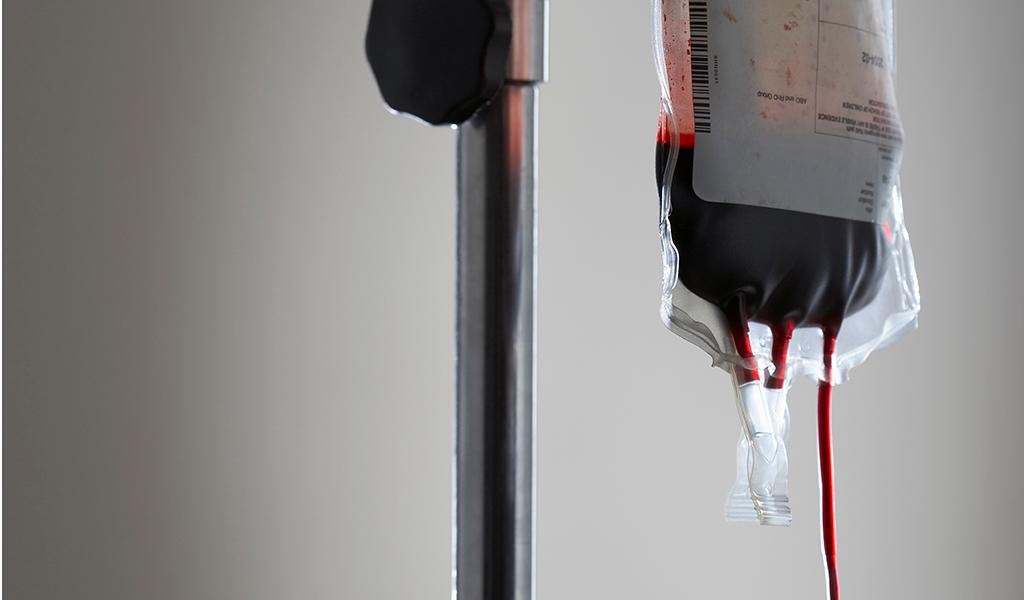
The Governing Body of Jehovah’s Witnesses has changed its long-standing rule about blood use in medicine. Now, individual members can choose whether to accept or donate four main blood components: red blood cells, white blood cells, plasma, and platelets.
This announcement came on Friday, 18 September 2026, from their world headquarters in Warwick, New York.
Under this new rule, members can decide for themselves if they want to accept any of the four components from someone else's blood during medical treatment.
This choice also applies to those who want to donate blood to make components for others. But the group made it clear that this change does not mean whole-blood transfusions are allowed.
"The long-standing refusal of whole-blood transfusions on religious grounds, a core teaching based on the command to ‘abstain from blood’ (Acts 15:20), is unchanged," the organisation explained.
They released a new update and material about blood components along with the announcement.
What has changed?
For many years, Jehovah’s Witnesses have told their members to refuse whole blood transfusions and the four main components: red cells, white cells, plasma, and platelets.
Before now, the organisation made a distinction between these components and smaller parts from blood, called blood fractions.
Fractions like albumin, immunoglobulins, and some clotting factors were already seen as personal choices. This meant that members could decide for themselves if they wanted to accept them.
Jehovah’s Witnesses said this decision came after deeper thought about their beliefs regarding blood and how much guidance their Governing Body should give to members.


The group said its leaders do not see treatments involving blood components as unimportant. They believe that without clear biblical rules on using individual blood products, members should make their own choices after prayerful thought.
The new guidance also advises members not to judge each other for these choices, and congregations should not interfere in anyone's personal decisions.
Whole blood remains prohibited
Despite this change, the group still prohibits whole-blood transfusions. Jehovah’s Witnesses base their teaching mainly on biblical verses like Genesis 9:4, Leviticus 17:10, 14, and Acts 15:20. They interpret these as telling Christians to "abstain from blood."
The organisation teaches that blood is life and should be treated as sacred. Their medical information has always said that the ban covers whole blood, plus red cells, white cells, platelets, and plasma.
The new rule makes a clear distinction between whole blood and the four components. A member can now choose to accept one or more of the main components, but whole-blood transfusion is still not allowed.
This difference is important because blood components are usually separated and used for various medical needs. For instance, red blood cells can help increase the blood's oxygen-carrying ability. Platelets help stop bleeding, while plasma has proteins and other substances that help with blood clotting and other body functions. White blood cells are key for the body's immune system.
A policy with a long history
The Jehovah’s Witnesses’ stance on blood transfusions has been one of their most unique and closely watched teachings. This movement began in the United States in the 19th century. They have long understood the biblical command to abstain from blood as applying to both eating blood and medical transfusions.
The organisation believes this issue is mainly religious and not a rejection of modern medicine.




Drop your comment
No comments yet — be the first to drop the gist 👇