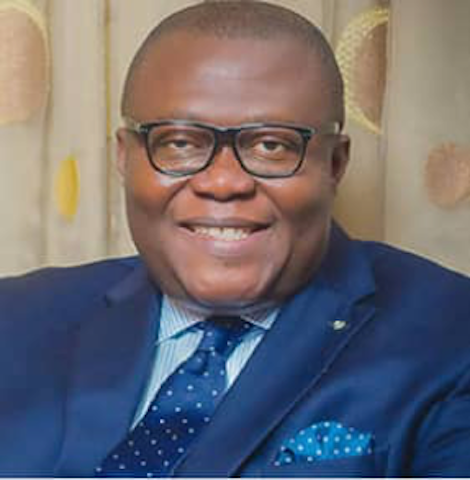
Politics is not just about elections. It also involves succession, control, alliances, and managing political expectations. In Kwara State, these factors have led to a serious crisis within the All Progressives Congress (APC) as Nigeria approaches the 2027 general elections.
What started as a disagreement over who would take over from Governor AbdulRahman AbdulRazaq has turned into a major split in the APC. Senator Saliu Mustapha and other key party members have moved to the People’s Democratic Party (PDP). This shift has caused defections among elected officials and grassroots supporters.
The immediate focus is the 2027 governorship election. But the bigger question looms: who will control Kwara’s political future after AbdulRazaq leaves office? He will finish his second term in May 2027 and cannot run for a third term. So, the succession issue has become central in the Kwara APC.
The governor clearly has a strong interest in what happens next. His opponents also have their own ambitions. Senator Saliu Mustapha, who represents Kwara Central, was keen to be the next governor. His rivalry with AbdulRazaq didn’t start with the APC primary, but that primary made their conflict very public.
The disagreement is mainly about political influence, succession, and who controls the APC. The governorship primary on May 22 was a key moment. Yakubu Danladi-Salihu, the speaker of the Kwara State House of Assembly, became the APC’s governorship candidate, receiving over 94,000 votes. His selection followed tough negotiations and controversy within the party.
This choice was also politically important. Danladi-Salihu is from Kwara North, a region that has long argued it deserves a chance to produce a governor. So, the primary was about individual candidates and issues of zoning and power sharing. But the controversy around the primary has been hard to manage. Some unhappy party members claim the process was rigged to favor a specific candidate. Some even say Danladi-Salihu’s win was imposed on the party.
A group of former candidates formed what Senator Mustapha calls the “Rainbow Coalition.” This group includes the G15 of unhappy governorship aspirants, Otoge Progressives, and some party elders. These claims are interpretations and not confirmed facts, as far as I know. The APC has defended its processes and continues to back AbdulRazaq and its governorship candidate.
Recently, 51 APC ward chairmen in Kwara Central showed their support for the governor and Danladi-Salihu. They dismissed Mustapha’s defection as unimportant. But in politics, how people perceive things matters. If many party members think a process is fixed, it can really damage trust, even if the party insists its rules were followed.
The legislative primaries added more tension. In May, the APC initially screened out 105 of 158 candidates for its State House of Assembly tickets. This included several sitting lawmakers. This move caused a lot of worry within the party.
However, there is an important correction to the earlier story. The APC later changed its mind and cleared all 159 Assembly candidates in a new screening. This change shows how serious the political atmosphere is. The first decision gave the impression of a major purge, but the later reversal showed the party could change its stance when it mattered.
So, it is too simple to say that the governor picked every National and State Assembly candidate himself. That is just what some unhappy members claim. The more reasonable conclusion is that picking candidates became a battleground for control of the party and shaping the future after AbdulRazaq.
Mustapha’s defection changed the internal APC conflict into a wider political shift. His move to the PDP came after he lost an internal race, but it also shows a bigger coalition of unhappy APC members. This is where the PDP has found a surprising opportunity.
The irony is clear. The APC’s rise in Kwara happened because of the historic “Otoge” movement in 2019, which ended the hold of former Senate President Bukola Saraki. Today, the political scene looks very different. Some forces that helped the APC gain power are now split, while the PDP is trying to rebuild using some of the same networks that weakened in 2019.
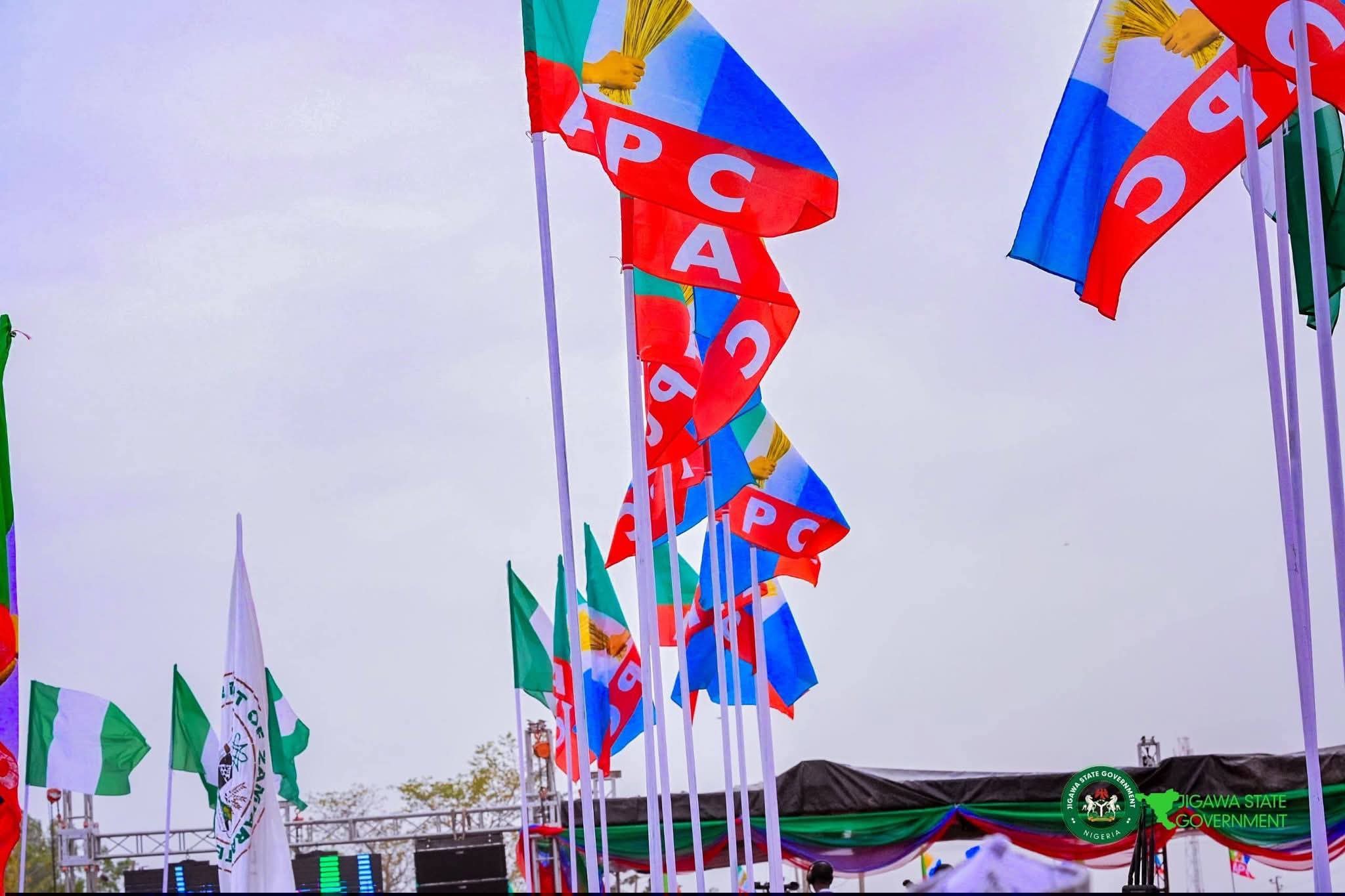
The APC’s internal crisis has become a chance for the PDP to strengthen its grassroots structure. The defections are significant because they are not just from top politicians. Last month, over 2,000 APC members in Adewole Ward, Ilorin West Local Government Area, reportedly switched to the PDP. This ward is the ancestral home of Governor AbdulRazaq, making this move symbolically important. The defectors said they were Mustapha's supporters following him to the PDP.
There were also defections in Offa, including from Shawo Central Ward, the political base of Senator Lola Ashiru. Reports say hundreds of APC members moved to the PDP, trusting in Saraki’s leadership.
Two APC members from the Kwara State House of Assembly, Saba Yisa Gideon and Olusola Odetundun, have also joined the PDP. The Assembly declared their seats vacant after the APC argued that they had no grounds to defect without a split within the party.
This is where an internal party disagreement turns into a political earthquake. The real importance of these defections lies not just in the numbers but in whether they can form a strong political group.
That is the challenge for both sides. Will more people leave? Only time will tell, as 24 hours can change a lot in politics.
For the APC, the big question is whether it can settle its internal fights before the 2027 elections. For the PDP and the Rainbow Coalition, the challenge is different. Defections grab headlines, but winning elections needs organization, candidates, voter mobilization, and ongoing grassroots work. Moving politicians and thousands of supporters from one party to another is just the start.
There is also a federal angle to consider. Mustapha’s shift does not mean he opposes President Bola Tinubu. His group is trying to show that their disagreement with the Kwara APC is separate from their stance on the President. This shows how flexible Nigerian politics can be, where alliances can differ at federal and state levels.
The 2027 elections in Kwara may lead to unusual alliances: backing one party at the presidential level and another at the state level. At the core of everything is the issue of succession. A governor nearing the end of his term wants to influence what happens next. Aspirants want a fair chance to succeed him, legislators want to keep their seats, party leaders want to stay relevant, and political groups want to ensure they are included in the next government. This is how politicians push their interests.
When these interests clash, a party primary can become much more than just a primary. It turns into a fight for the future. That is what seems to have happened in Kwara. But it would be too early to say the APC has lost Kwara. Nigerian political parties have often shown they can survive internal troubles, mend fences, and come back strong before elections because they lack strong ideological beliefs.
What is clear is that the APC’s succession problem has become a serious organizational challenge. The irony is that the 2019 Otoge movement was based on rejecting control by one entrenched group. Now, those who rose from that movement are in another fight over who will shape the next political order.
That is the deeper meaning of the Kwara crisis. It has gone beyond just AbdulRazaq versus Mustapha or APC versus PDP. The 2027 elections will decide which political coalition has the people’s support. For now, one thing is clear: a succession battle within the APC has spilled over into a larger fight for Kwara’s political future.
The political earthquake has happened, but the real question is how the aftershocks will play out.

Drop your comment
No comments yet — be the first to drop the gist 👇