In sub-Saharan Africa, many patients leave the country to seek better medical care. This trend is a big loss for Nigeria, both in money and talent. Nigerians spend around $1 to $2 billion every year on medical tourism. This takes away resources that could help improve healthcare at home and puts families under a lot of stress, both financially and emotionally.
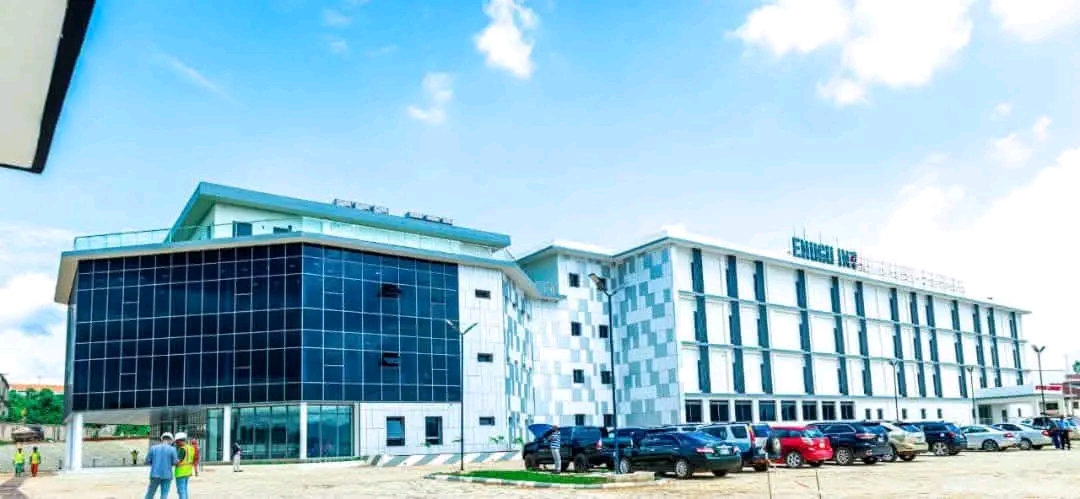
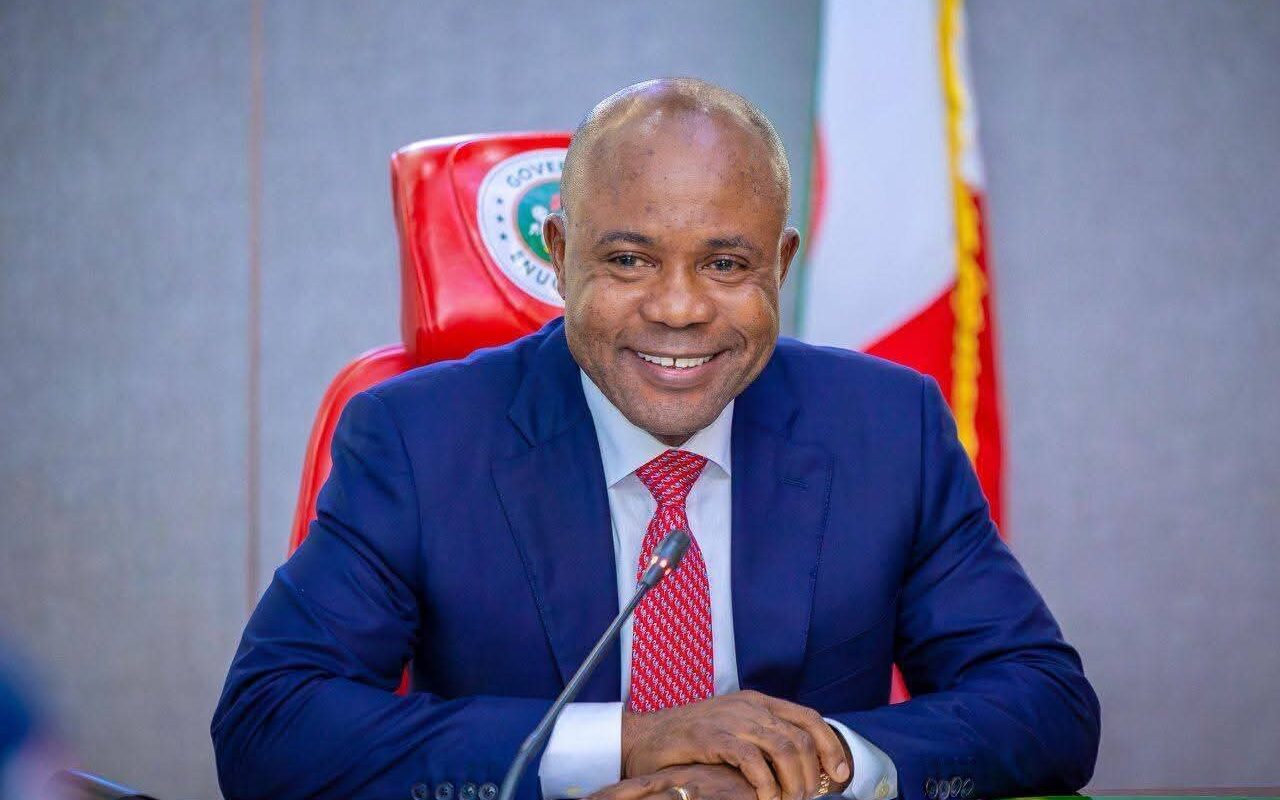
To tackle this issue, the Enugu State Government, led by Governor Peter Ndubuisi Mbah, is building the 300-bed Enugu International Hospital. This is not just another project for show; it is part of a bigger plan to boost healthcare in Enugu State. The goal is to keep healthcare spending within Nigeria and make Enugu State a key place for medical tourism.
The hospital was started in November 2024 and is now set for opening. It will be a quaternary-care center, meaning it will provide very specialized medical services. This includes advanced cancer treatment with cyclotron and PET imaging, critical care, heart procedures, kidney care, complex diagnostics, and rehabilitation services.
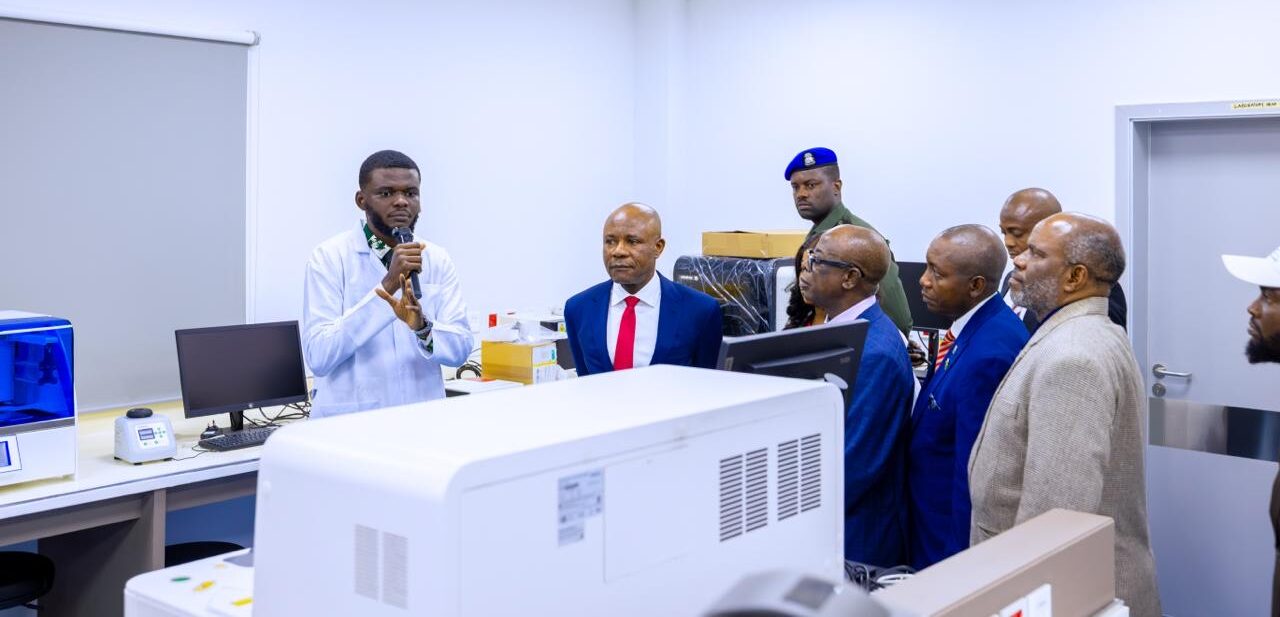
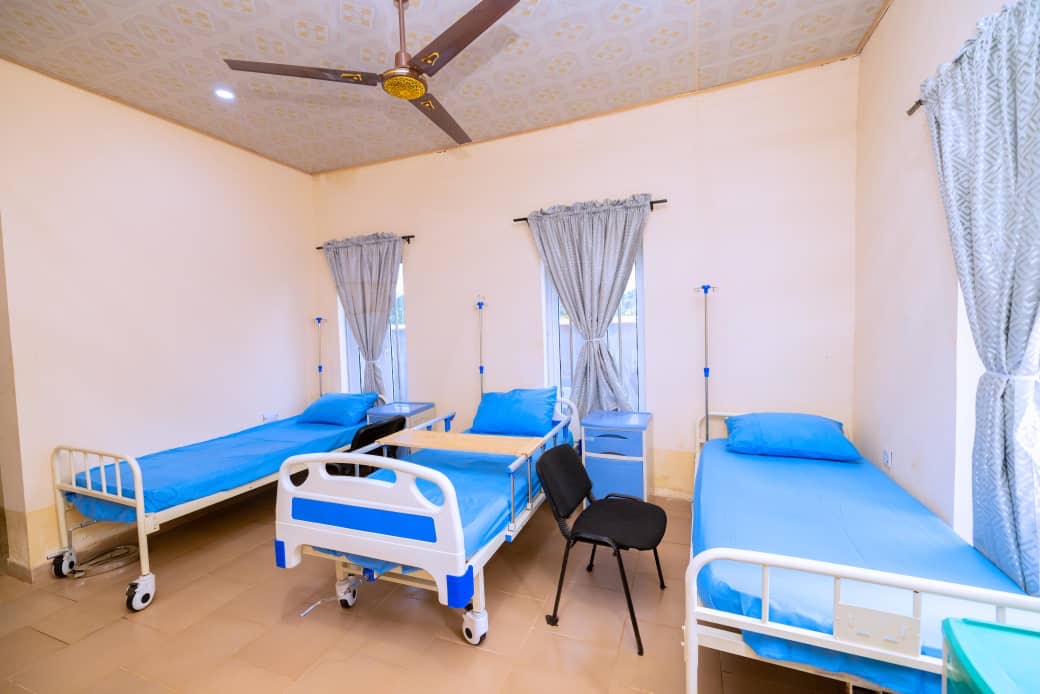
During a tour before the hospital opens, Governor Mbah showed off many features. There will be several intensive care units, a coronary care unit, and modern operating rooms that meet international hygiene standards. The facility will also have kidney dialysis rooms to help with Nigeria’s increasing kidney disease cases, as well as water treatment and sterilization systems, MRI and CT scan rooms with Siemens equipment, blood banks, recovery areas, and a fully equipped physiotherapy gym. These services aim to meet the needs that have forced many Nigerians to seek care abroad.
What makes this project more than just building a hospital is the recruitment of skilled medical staff from all over the world. The recruitment drive is for a “World-Class 300-Bed Multi-Specialist & Quaternary Healthcare Institution.” They are looking for leaders in various medical fields, consultants, nurses, and lab technicians, among others.
The hospital offers competitive salaries, opportunities for career growth, modern facilities, and ongoing training. This is a clear plan to attract and keep top professionals, including those who are currently working outside Nigeria. Good staffing is key for the hospital to meet the high clinical standards that its advanced equipment promises.
Governor Mbah has a systematic approach to healthcare. The International Hospital will be part of a rebuilt system that includes about 260 Type-2 primary healthcare centers in every political ward and upgrades to local hospitals. Teaching hospitals, like the Enugu State University Teaching Hospital, are also being modernized.
This setup ensures that each level of healthcare works well together. Primary healthcare centers will handle initial visits and stabilization. Secondary hospitals will manage more complex cases, while the quaternary hospital will deal with the most difficult situations. The hospital will also serve as a training and research site for medical students, helping to improve both equipment access and skills.
Economically, the project aims to keep medical spending within Nigeria. By providing tests and treatments that people usually go abroad for, especially in cancer and critical care, the state hopes to capture a significant share of this market. Even just getting 10 percent of this multi-billion-dollar market could bring in a lot of money and create jobs in related sectors like hospitality and travel.
By reaching out to Nigerian doctors abroad, the state hopes to reduce brain drain. With modern facilities and clear career incentives, the aim is to bring talent back home. This is about providing high-quality health services locally and bringing skilled workers back to Nigeria.
Governor Mbah understands that just building the hospital is not enough. For the project to succeed, there needs to be ongoing funding for supplies and maintenance, clear clinical governance, and integration with national health insurance plans. Early recognition from organizations like WHO shows that there is potential for meaningful reform in healthcare.
The ongoing recruitment campaign shows that the government gets the importance of having skilled staff for advanced care. There is a strong belief that the hospital will be fully operational soon with the right staff and quality checks in place, and long-term funding will be carefully watched.
Looking at health systems in other regions, Enugu’s model is unique in Africa. It shows how dedicated investment and a clear strategy can change healthcare delivery. The hospital is not just about treating illnesses; it aims to change how healthcare is accessed in Nigeria. By bringing advanced medical services to the local level, it reduces the need for people to travel abroad, saves families money, and helps rebuild trust in local healthcare.
Governor Mbah’s saying, “Tomorrow is Here,” is truly reflected in this project. With the hospital on track to become a leading medical center in West Africa, Enugu is ready to attract patients from all over the region and keep healthcare spending within Nigeria. This plan, which includes everything from primary care to advanced treatment, shows a strong response to long-standing healthcare issues. As many African health systems struggle, Enugu’s approach shows how focused reforms can improve healthcare delivery.


Drop your comment
No comments yet — be the first to drop the gist 👇