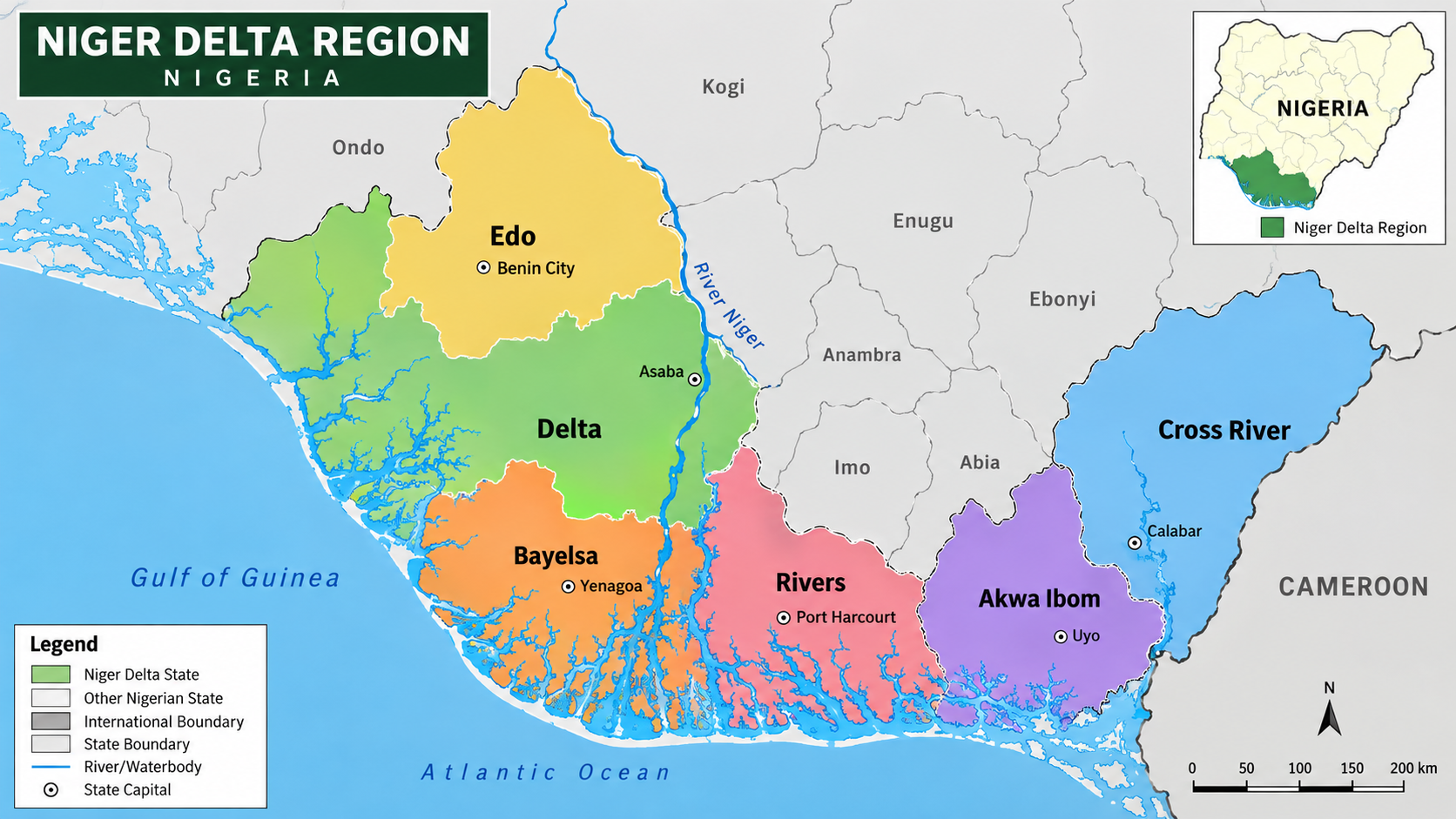
Stakeholders in Nigeria’s Niger Delta region are worried about how public institutions are failing to share information with citizens. This pattern makes it hard for people to hold these institutions accountable.
This worry was expressed on Wednesday during a virtual meeting held to mark the 2026 International Day for Universal Access to Information.
The event, themed “Strengthening Access to Public Information and Accountability in the Digital Age: Perspectives from the Niger Delta,” was organized by the Niger Delta Open Governance Observatory. This initiative is part of Policy Alert and works with Open Alliance Nigeria.
The meeting brought together civil society groups, journalists, researchers, citizens, and public institution representatives.
At the event, the organizers shared the proposed Niger Delta FOI Ranking 2026. This ranking will assess how well public institutions comply with Freedom of Information (FOI) duties and how accessible public information is across the region.
Poor Responses to FOI Requests
Faith Paulinus, who leads Governance Reforms and Anti-Corruption at Policy Alert, presented the ranking framework. He said a 2024 assessment showed serious problems with how the region responds to information requests.
He mentioned that only three out of 180 FOI requests sent to public institutions in the nine Niger Delta states got replies. This means a response rate of just 1.7 percent.
The assessment also found that the average score for proactive disclosure of information was only 8.33 percent across the nine states.
Currently, only Imo State has a state-level FOI law, while Delta State’s FOI Bill from 2019 is still waiting for approval, according to the organizers.
In the 2024 ranking, Abia scored the highest with 35 points out of 100. Delta and Imo followed with 30 points each.
Cross River and Edo scored 15 points, while Akwa Ibom, Bayelsa, Ondo, and Rivers had the lowest scores. The report also stated that Akwa Ibom, Cross River, and Delta rejected some information requests completely.
Information Gaps and Public Accountability
Tijah Bolton-Akpan, the Executive Director of Policy Alert, emphasized that access to public information is crucial in the Niger Delta. This is due to the region's high public revenue and ongoing development issues.
He pointed out that funds from the Niger Delta Development Commission (NDDC), the Ministry of Niger Delta Affairs, the 13 percent derivation fund, allocations from the Federation Account Allocation Committee, and Host Communities Development Trusts under the Petroleum Industry Act need better oversight.
Despite these resources, the region struggles with high unemployment, environmental problems, maternal mortality, and low life expectancy.
He stated that access to information is vital for citizens to question how these resources are managed. The discussion also touched on the effects of poor financial disclosure.


BudgIT’s recent check of state finances after the subsidy removal left out Akwa Ibom and Rivers. This was because they did not provide complete budget reports needed for the study.
According to PREMIUM TIMES, this lack of information stopped BudgIT from comparing these two oil-rich states with 34 others on revenue and spending from 2022 to 2025. BudgIT said that without full records, citizens cannot properly assess how their states handle the increased money after the petrol subsidy was removed.
Akwa Ibom’s Disclosure Concerns
This topic is especially relevant for Akwa Ibom, where there are growing worries about access to financial information. PREMIUM TIMES reported in September that while the Akwa Ibom State Government shared its second-quarter 2026 Budget Implementation Report, BudgIT found it lacking important details, making it hard for citizens to track government spending.
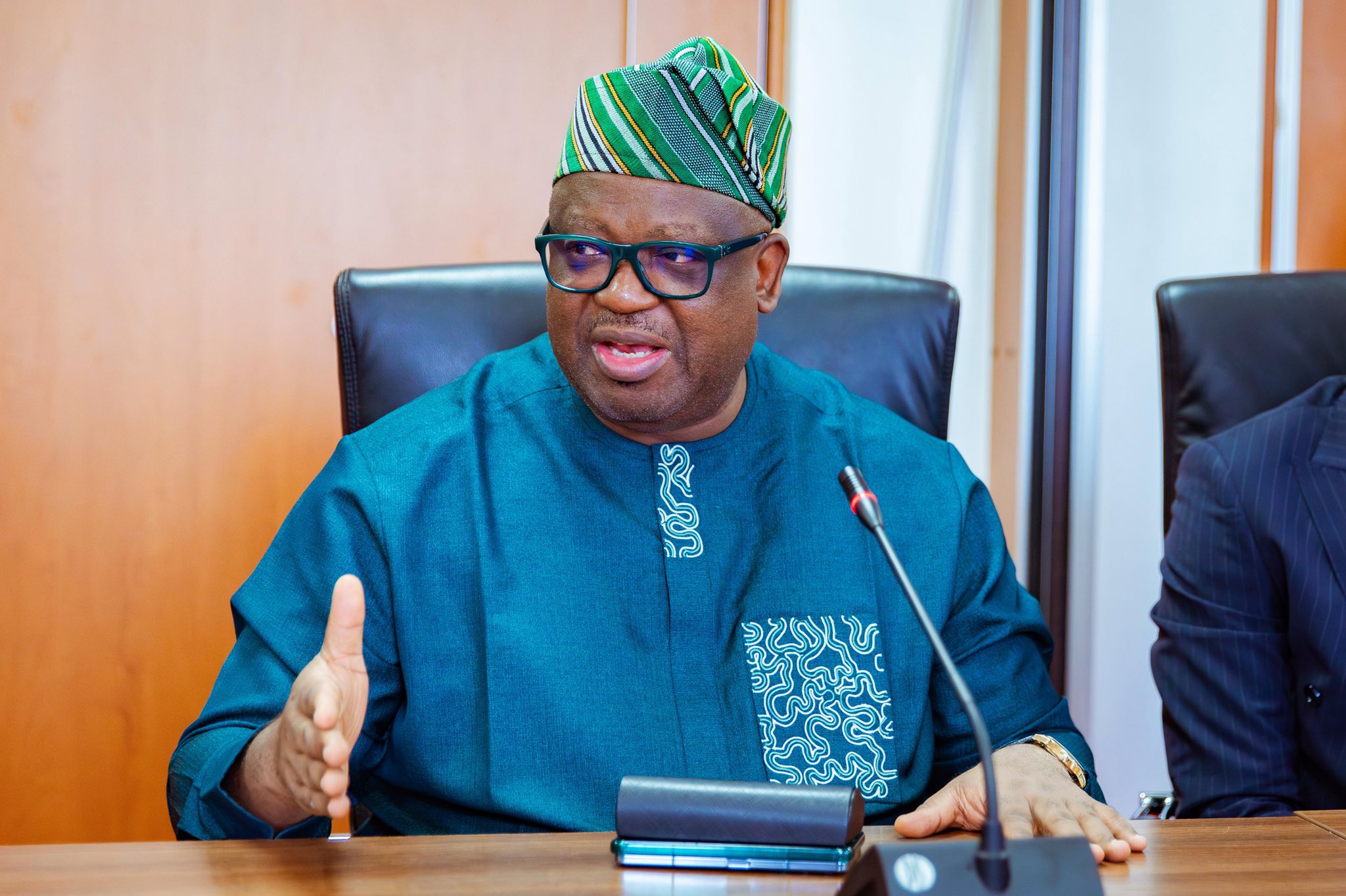
The newspaper also reported in January that the state has become more secretive under Governor Umo Eno, showing less detail in its budget reports.
In another case, the Federal High Court in Uyo allowed two lawyers in May to begin legal action against Akwa Ibom’s 31 local councils. They alleged that the councils refused to provide information requested under the FOI Act.
These lawyers are looking for details about public spending, subsidy programs, policies, and licenses issued by the councils.
Calls for Stronger Enforcement
Participants at Wednesday’s meeting urged stronger enforcement of the FOI Act by state houses of assembly, fiscal responsibility agencies, and courts. They also pushed for new state-level FOI laws where they do not exist.
They called for better proactive sharing of budget and financial information by state and local governments.
Participants also wanted ongoing collaboration among civil society groups, the media, and public institutions to enhance transparency, maintain public pressure for accountability, and take legal actions when needed.
The panel titled “From Information Gaps to Information Integrity” looked at the challenges journalists and citizens face in getting public records. They also discussed how digital tools can help improve access and tackle misinformation.
Policy Alert said the 2026 ranking will build on its 2024 assessment and offer a new comparison of access to public information in the Niger Delta. It invited civil society groups, researchers, and public institutions to join in this effort.
This comes as there is a continued push for transparency in Niger Delta institutions. PREMIUM TIMES reported last year that the NDDC has faced ongoing concerns about not publishing detailed budgets and financial statements, as well as poor responses to FOI requests.
In a region where governments and development agencies receive a lot of public funds, this new assessment makes access to information a key part of discussions on how well citizens can evaluate management of those resources.

Drop your comment
No comments yet — be the first to drop the gist 👇