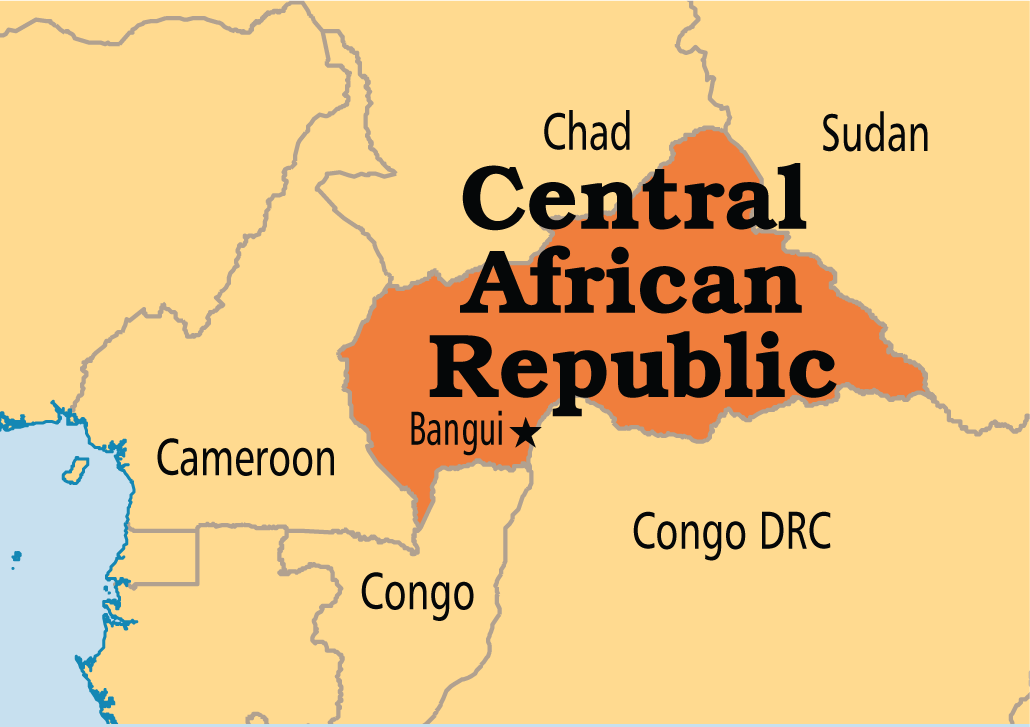
Sending money from N’Djamena to Nairobi used to mean going through banks in Europe or the United States. This involved converting money twice and waiting weeks for it to arrive. Now, a new African payment system promises to make this process take just seconds. But this quickness could lead to not just opportunities for trade but also for financial crime.
On 9 July, the Bank of Central African States (BEAC) joined the Pan-African Payment and Settlement System (PAPSS), which started in 2022. This system supports the African Continental Free Trade Area (AfCFTA) by linking different financial systems across Africa, including 41 currencies.
The benefits for trade are obvious. But can we ensure that quick payments do not lead to an increase in crime?
Countries in the Economic and Monetary Community of Central Africa (CEMAC) already use a common currency and a shared payment system. This connects banks, financial institutions, and mobile money operators in the area. PAPSS brings a new chance for trade with other African countries by allowing instant cross-border payments in local currency.
In 2026, PAPSS saw transaction volumes increase by 1,000 percent, while transaction values rose by 120 percent. With Central Africa now part of the system, it covers 30 African countries and includes 200 banks and fintechs.
PAPSS could lower the risk of international correspondent banks leaving CEMAC. It also offers a quick, cheap, and traceable option for cross-border currency transport and informal remittances. PAPSS makes imports, exports, and private transfers easier by cutting payment costs.
But the speed of the system is its biggest risk. PAPSS provides instant credit and then clears payments, while CEMAC’s foreign exchange rules vary based on the operation type. These rules might require paperwork like supporting documents, declarations, and authorizations.
The issue is not just that PAPSS and CEMAC rules clash. PAPSS processes payments in seconds, while CEMAC needs documents completed first. This means that by the time a fraudulent transfer is spotted, the money could already be gone, making it hard to stop the transaction.
Countries in Central Africa are already having a hard time tackling financial crime. CEMAC’s rules on fighting money laundering, terrorist financing, and the spread of weapons of mass destruction align with Financial Action Task Force (FATF) standards. But following these rules is inconsistent.
Cameroon, as the region’s economic leader, has been under close FATF watch since June 2023. While Cameroon has made some progress, FATF still demands improvements in areas like risk-based supervision and cooperation among authorities to fight terrorist financing.



Another problem is that the region’s financial profile needs to look at small transactions that might slip past standard checks. Issues like false invoicing, splitting transactions, and using shell companies can create risks. The fast movement of funds across different areas also needs attention.
Also, fewer than 13 percent of adults in Central Africa have access to formal financial services like bank accounts or mobile money. Cash collected through informal networks often ends up in banks or fintechs without proper ‘know-your-customer’ checks. Transactions that may not be legitimate could gain a false sense of legitimacy through a formal system like PAPSS.
Without strong identification and monitoring systems, PAPSS could become a way for criminals to quickly move money across borders.
The system must connect with institutions that fight money laundering and terrorist financing to improve controls. Even if a payment looks like a fake business deal with false invoices, it can still be tracked.
Compliance control will be crucial for handling larger amounts of cross-border transactions. The abilities of supervisors and financial intelligence within PAPSS need to be improved to detect issues early and help authorities use transaction data effectively.
FATF supports risk-based controls. This means we need to accurately identify risky transactions, processes, and channels. This involves checking the payment itself, the customer, and the economic transaction behind it. It is at this last level where compliance might not be enough to confirm that the transaction is legal.
A common set of compliance standards should go along with the mutual recognition of payments among countries that joined PAPSS. These standards should include basic know-your-customer rules, beneficiary identification, and secure ways to share information. Without these, the connections between systems could create gaps for criminals to exploit.
The challenge is to keep PAPSS quick without slowing it down with local rules in Central Africa. Controls should match a payment system that changes traditional supervision methods.
The success of PAPSS in Central Africa will depend more on keeping financial flows traceable, legal, and safe than just moving money quickly. If organized crime uses CEMAC as an easy entry into a network of 30 countries, the impact will be felt all over the continent.



Drop your comment
No comments yet — be the first to drop the gist 👇