
Nigeria is celebrating 66 years of independence today. It is a good time to think about how far the country has come. Many times, the feedback we get is more harsh than kind.
Long before hashtags were used for protests, Nigerian musicians reflected the country's struggles through their songs. Fela Kuti's strong critiques of oppression and hardship set the stage for reggae and hip-hop artists that followed. The sound has changed, but the issues remain: bad governance, rising costs of living, rights abuses, division, and broken promises.
In a time when people still talk about hardship at markets, bus stops, and in group chats, these songs feel more like ongoing conversations about Nigeria than just history.
Here are five Nigerian social-commentary songs that I really like, in no specific order.
Original Sufferhead, Fela (1981)
Fela Kuti, Original Sufferhead
Fela is Nigeria's king of social commentary, without a doubt. In his 1981 song Original Sufferhead, he talks about the terrible conditions Nigerians live in. He points out the lack of clean water, high food prices, low electricity supply, and the housing crisis.
For those who don’t want to struggle with economic terms like inflation, this song tells it straight. Fela mentions that a loaf of bread costs 60 kobo and one Akara ball is 20 kobo. He is shocked that it took until 1990 for all Nigerians to have access to clean drinking water through a UN program. It’s now 2026, and Fela is not here, so we can't even ask him if that goal has been reached.
What’s Gwan, Ras Kimono (1990)
Let me take a short detour; when you talk about Nigerian reggae music, many think of Majek Fashek. For me, it is Ras Kimono. Majek might have been more famous globally, but Kimono's music felt closer to home.
His song “What’s (whatta) Gwan” hit the early 90s hard. The title even became popular in street talk. What’s/Whatta Gwan means “what is going on?” In this song, Kimono pointed out the social, moral, and economic problems Nigeria faced then. He talked about ethnic divisions, poverty, and the exploitation of female students by lecturers. The song is still relevant today. It has a serious message but also a fun vibe. Most of Ras Kimono’s songs mix social commentary with entertainment.
Jaga Jaga, Eedris Abdulkareem (2004)

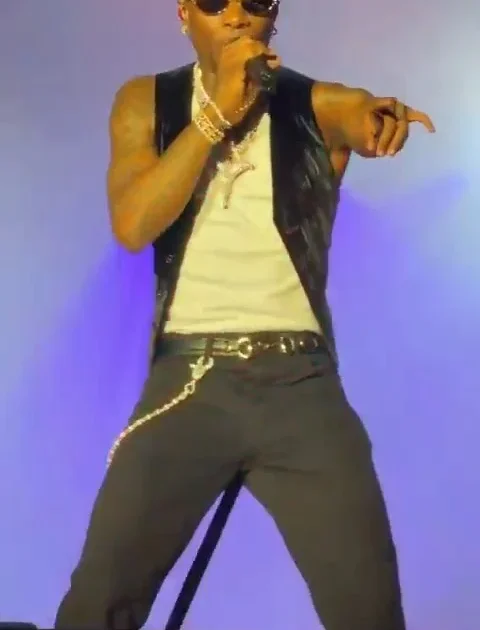

Moving into the 2000s and the rise of Afrobeats, we still have songs filled with messages about Nigeria's problems. Eedris Jaga Jaga stands out from this group.
True to Eedris' style, he doesn’t just list Nigeria’s problems like poverty and insecurity. He describes Nigeria as ‘Jaga Jaga,’ meaning everything is in disarray, almost beyond repair. It is said that this song upset then-President Obasanjo so much that he made a comment about Eedris’ parents. Even with its heavy message, Jaga Jaga has lively beats that get people dancing. Nowadays, many protests about life quality use Jaga Jaga as their theme song.
Show Me, Blackface (2004)
Imagine telling God about your government’s wrongdoings.
“Jehovah Nissi, I want make you know say every day na only you me see. Life has not been easy, especially the way our Government dey treat we.”
That’s how Blackface starts in his song “Show Me” from his first solo album, Ghetto Child. The song, made better by the smooth voice of Rocksteady, talks about the government’s lack of care for Nigerians, as leaders focus on enriching themselves.
This theme appears in much of Blackface's music. His debut album has at least four songs, including the popular ‘Hard Life’ that talks about issues like corruption, police brutality, and political oppression.
Ko Gbadun, Mr Raw ft Duncan Mighty (2012)
Ko Gbadun, Mr Raw ft. Duncan Mighty
Only Mr Raw can make you feel pain and laugh at the same time. He mixes Ibo and English in his songs and adds humor, no matter how serious the topic.
In ‘Ko Gbadun,’ with the unique voice of Duncan Mighty, Mr Raw talks about Nigeria’s political issues. He covers election rigging, broken campaign promises, poor worker welfare, and lack of national development, all while making us laugh and dance. For some reason, Mr Raw’s music doesn’t get the respect it deserves, but if you listen closely, you’ll see how well he shares his message.


Drop your comment
No comments yet — be the first to drop the gist 👇