Nigeria is one of more than 50 countries looking to develop nuclear power or planning to build new reactors. This comes as global nuclear electricity generation hit a record high in 2025, according to a new report from the International Energy Agency (IEA).
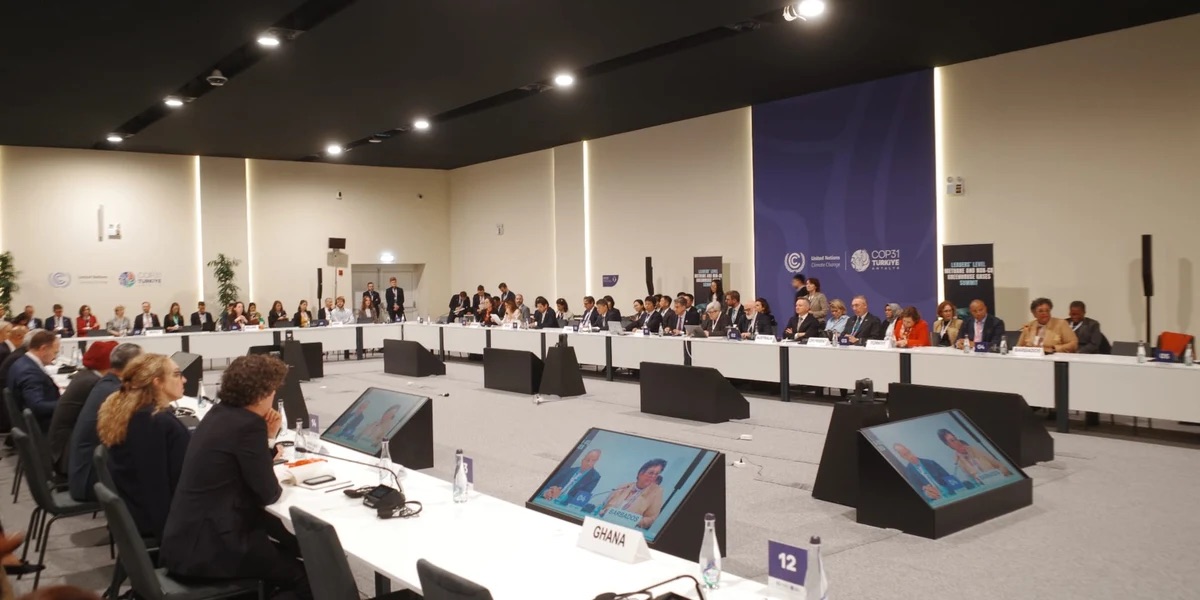
The report, titled World Energy Outlook 2026, was released on Thursday during tense talks about phasing out fossil fuels at the 31st United Nations Climate Change Conference (COP31) in Türkiye. It looks at energy trends and future prospects around the world.
The 564-page report shows that global nuclear power generation reached its peak in 2025 and is expected to keep growing, with over 420 gigawatts (GW) of nuclear capacity in operation across more than 30 countries.
As of July 2026, about 90 GW of new nuclear capacity is being built globally. This is the highest in over 35 years. The construction projects are mainly in 17 countries, including China, India, South Korea, Russia, Egypt, and Türkiye.
The report mentions that the ongoing construction includes small modular reactors (SMRs) in Argentina, Canada, China, and Russia. Eight new nuclear reactors started construction in the first half of 2026, marking one of the highest activity levels in four decades.
The IEA notes that over 50 countries now have plans or targets for nuclear power or have shown interest in building new reactors. These countries include African nations like Egypt, Kenya, and Nigeria; European countries such as Italy, Poland, and Türkiye; Middle Eastern nations like Jordan and Saudi Arabia; and Southeast Asian countries, including Indonesia, the Philippines, Thailand, and Vietnam.
Many of these countries are particularly keen on small modular reactors (SMRs), according to the report. It also states that China has one of the largest nuclear construction programs in the world. The United States has approved lifetime extensions for several reactors, letting them operate for up to 80 years.
In the European Union, the IEA points out that nuclear power is seen as essential for energy security and climate goals. Japan is also gradually restarting its reactors. Nuclear development is moving forward in countries entering this sector for the first time. Bangladesh, Egypt, and Türkiye have advanced construction projects, while Uzbekistan is starting work on its first nuclear power plant. Vietnam is also making progress on its first reactor.
Support for nuclear energy has grown internationally. Multilateral development banks are increasingly financing the sector. By August 2026, 38 countries had signed a pledge to triple global nuclear capacity by 2050.
The IEA believes that the current geopolitical situation and energy security concerns could speed up nuclear development. Countries want to diversify their energy sources, lessen their exposure to market changes, and ensure a steady electricity supply as electrification increases.
The agency also says that the 2026 energy crisis has led many countries to either reinforce their nuclear plans, extend the life of existing reactors, or rethink limits on nuclear development.
Rising electricity demands from electrification, artificial intelligence (AI), and data centers are adding to the need for reliable energy sources like nuclear power.
The report does say that trends in electricity generation differ from region to region. This reflects the variety of energy resources, security needs, and current infrastructure.
While renewable energy is growing in most regions and nuclear power is becoming more popular, the speed and type of changes vary a lot. China, India, and Southeast Asia are likely to continue relying on coal for electricity until 2035. Still, their energy sources are expected to diversify as electricity demand grows faster than in other areas.
Coal will still be the main source of electricity in these regions, but wind, solar, nuclear, and natural gas are also expected to grow, leading to a more varied energy mix.


Drop your comment
No comments yet — be the first to drop the gist 👇