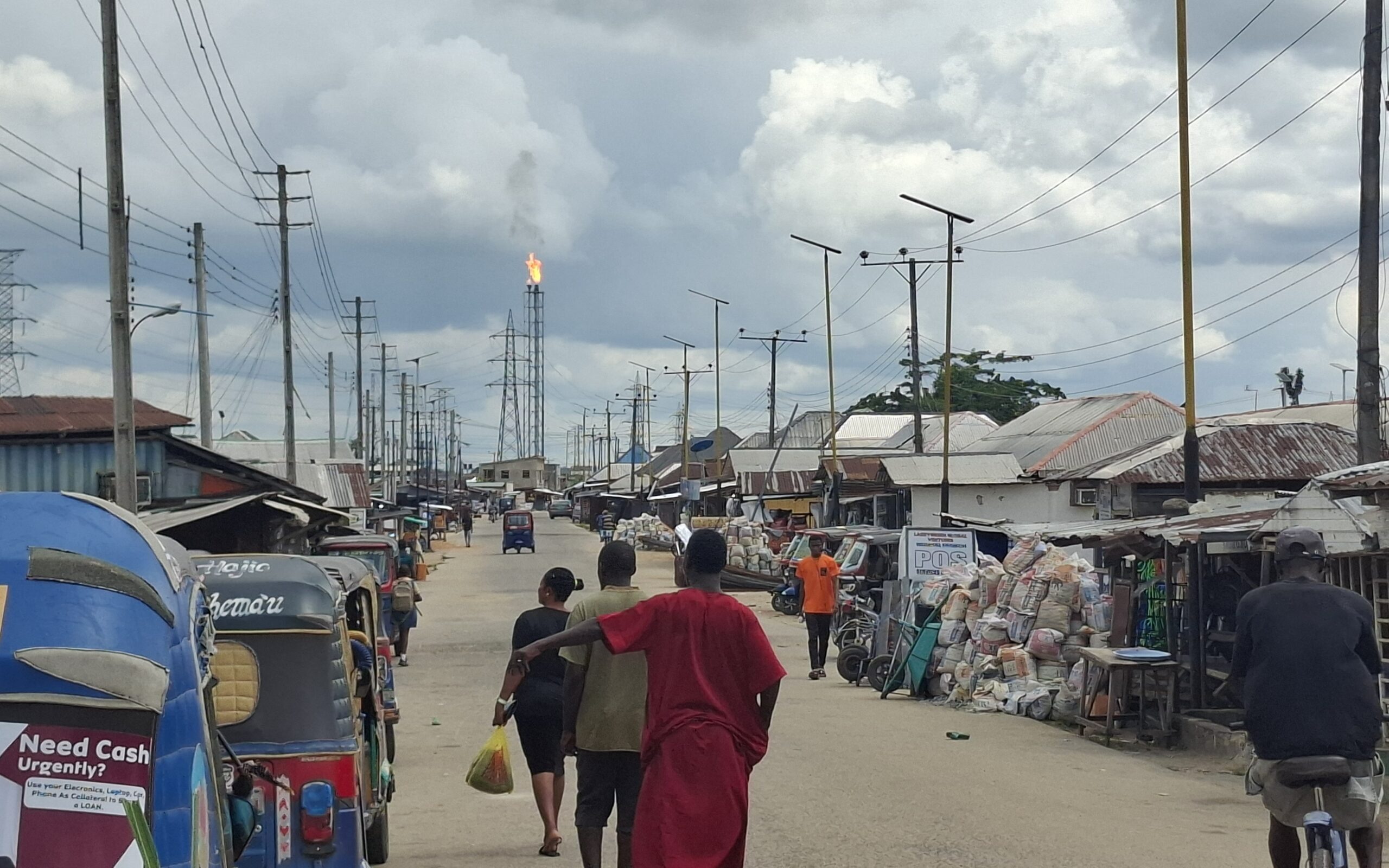
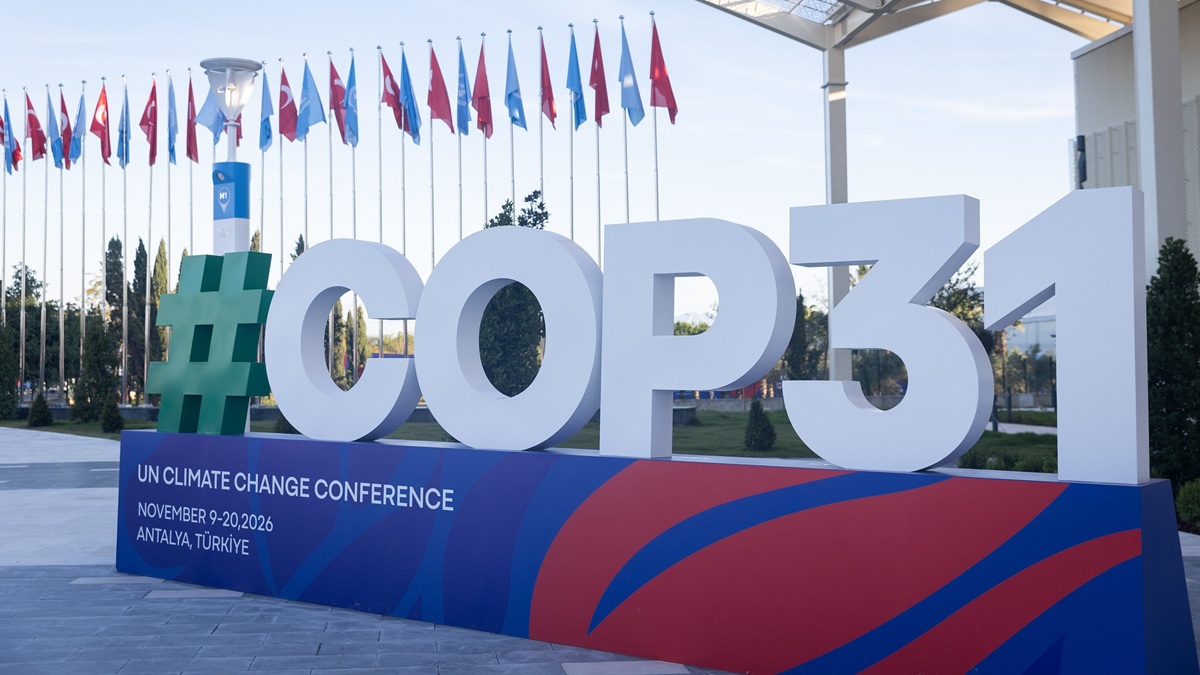
Nigeria's oil regulator told investors at COP31 in Antalya, Turkey, that capturing gas being burnt at oil fields could bring in about $2.2 billion in investment.
Oritsemeyiwa Eyesan, the chief executive of the Nigerian Upstream Petroleum Regulatory Commission (NUPRC), said flare sites under the Nigerian Gas Flare Commercialisation Programme could support projects using around 250 million standard cubic feet of gas daily.
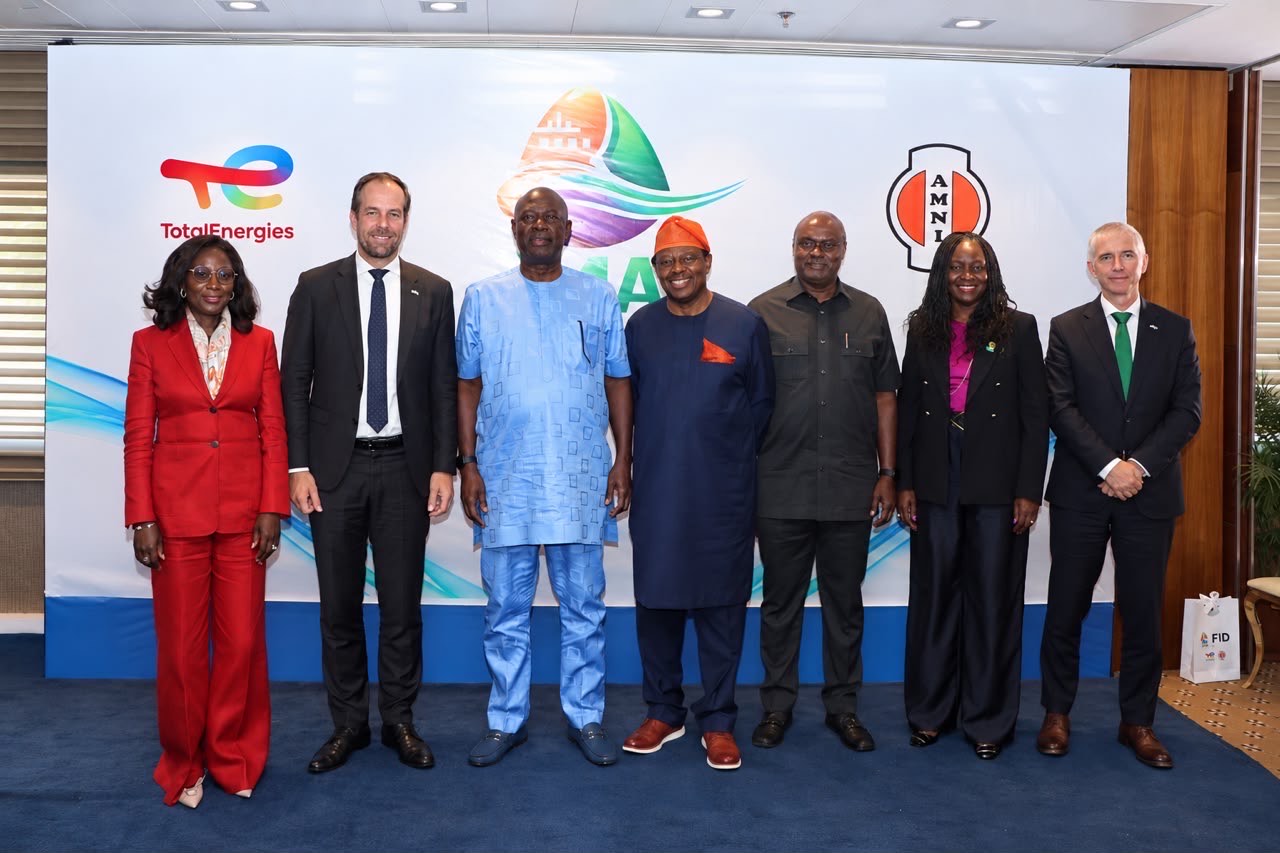
Ms Eyesan spoke on Wednesday at an event hosted by the commission at the Nigerian pavilion. At this event, the Nigerian Oil and Gas Industry Emission Tracker (NOGIET) was also launched. This tracker is a satellite-linked portal that allows users to see what oil and gas companies say about their emissions.
"Countries are now being judged not by the targets they announce, but by the projects they deliver, the emissions they reduce and the capital they mobilise," she said.
The gas flare programme aims to stop routine flaring, create jobs, and encourage local involvement as part of Nigeria's climate plan under the Paris Agreement. The commission gave permits to 28 companies under this programme in December 2025. At that time, the chief executive was Gbenga Komolafe, who projected $2 billion in investment.
According to commission data, Nigeria flared 203.9 billion standard cubic feet of gas in 2025. Flaring dropped about 8.1 percent in the first quarter of 2026 compared to a year earlier. But by August, the percentage of gas flared rose to 7.48 percent, the highest since October 2025.
A PREMIUM TIMES investigation in October found that enforcement of the anti-flaring law was weak and there were gaps in measuring methane emissions. Flare-gas capture was one of several areas Ms Eyesan said the commission's rules have opened to investors at the event. She focused on moving from policy to investment.
She mentioned that the commission has used summits from COP27 to COP30 to announce its rules. This includes its 2022 guidelines on fugitive methane and greenhouse gas emissions, and its upstream decarbonisation framework. She said COP31 is about making these rules work.
"The framework is in place, the opportunities are clear, and attention must now turn to mobilising the technology, financing and partnerships needed to scale delivery," she said.
Ms Eyesan noted that the rules are creating demand for leak detection and repair, satellite and aerial monitoring, digital measurement and verification platforms, vapour recovery, flare-gas capture, and electric pneumatic replacements.
"These are no longer theoretical requirements. They are emerging markets created by regulatory implementation," she said. Ms Eyesan also referenced assessments by the Clean Air Task Force. They showed that a set of abatement measures could cut Nigeria’s methane emissions by about 533 kilotonnes a year. She said costs could be recovered by selling the captured gas.
She added that Nigeria is well placed to become Africa’s leading hub for carbon capture, utilisation and storage (CCUS). This is due to its depleted oil and gas reservoirs, existing infrastructure, and regulations. The commission’s COP31 materials estimate Nigeria’s storage potential at about 3.4 billion tonnes of CO₂ across 606 depleted fields in the Niger Delta.
Nigeria has 37.01 billion barrels of oil and condensate and 215.19 trillion cubic feet of gas, based on the commission’s January reserves disclosure. Ms Eyesan said these reserves will be vital for growth and energy security, but the sector’s future competitiveness will depend more on its carbon performance.
The NOGIET portal combines satellite detection of methane plumes, maps of oil blocks and pipelines, and facility-level emissions data. Regulators can use it to find hotspots, spot gaps in operators’ reports, and decide where to inspect. This tool was developed by the Stakeholder Democracy Network (SDN) with support from the Global Methane Hub.
The NUPRC and the Nigerian Midstream and Downstream Petroleum Regulatory Authority (NMDPRA) will jointly operate the tracker. Nigeria has committed to cutting methane emissions by 60 percent by 2035. The commission’s 2022 guidelines require oil and gas firms to replace emission estimates with actual measurements by the first quarter of 2027. The tracker will help regulators check the figures reported by these companies.
Ms Eyesan said the technology is mostly available and the rules are set. But scaling up will need closer cooperation between government, industry, technology providers, and climate-finance partners to fill funding gaps.



Drop your comment
No comments yet — be the first to drop the gist 👇