
Nigerian business partners claiming 60 percent ownership of an offshore vessel have accused a Belgian maritime company of selling the asset without their permission. They also say the company is withholding over $180 million said to have been earned from the vessel's operations in Nigerian waters.
The case involves MV Wariboko, now called ADNOC AB03, which is listed under the fleet of Abu Dhabi National Oil Company (ADNOC) subsidiary, ADNOC Logistics & Services Plc. The matter is currently in the Federal High Court in Port Harcourt, Rivers State.
The Nigerian partners, who assert they have a combined 60 percent equity interest in the vessel, have accused Exmar Offshore Ltd of breaking their contract, violating fiduciary duty, misappropriating funds, and wrongfully selling the asset. They also included Springview International Logistics Limited and ADNOC Logistics & Services Plc in the lawsuit.
The case, marked FHC/PH/CP/02/2026, was postponed for hearing on Tuesday, 24 November. This follows discussions about the disputed transfer of the vessel. The court has not yet ruled on the allegations.
How the dispute began
According to the Nigerian partners’ court documents, MV Wariboko started commercial operations in Nigerian waters in 2012. Exmar Offshore was in charge of its operations and revenue management under a joint-venture agreement.
They said the vessel was rented to Globestar Engineering Company Nigeria Limited for a daily fee of $50,000, with TotalEnergies E&P as the end-user. From the vessel’s operational history and the supposed charter rate, the Nigerian partners believe it made over $180 million in revenue over ten years.
Despite claiming a 60 percent equity interest, they said they never received dividends or any significant share of the profits. The partners also accused Exmar of transferring the vessel to ADNOC Logistics & Services without their knowledge or consent.
They claimed this move deprived them of their ownership interest and left the revenue made from the vessel’s operations in Nigeria unaccounted for.
Fresh dispute after earlier court intervention

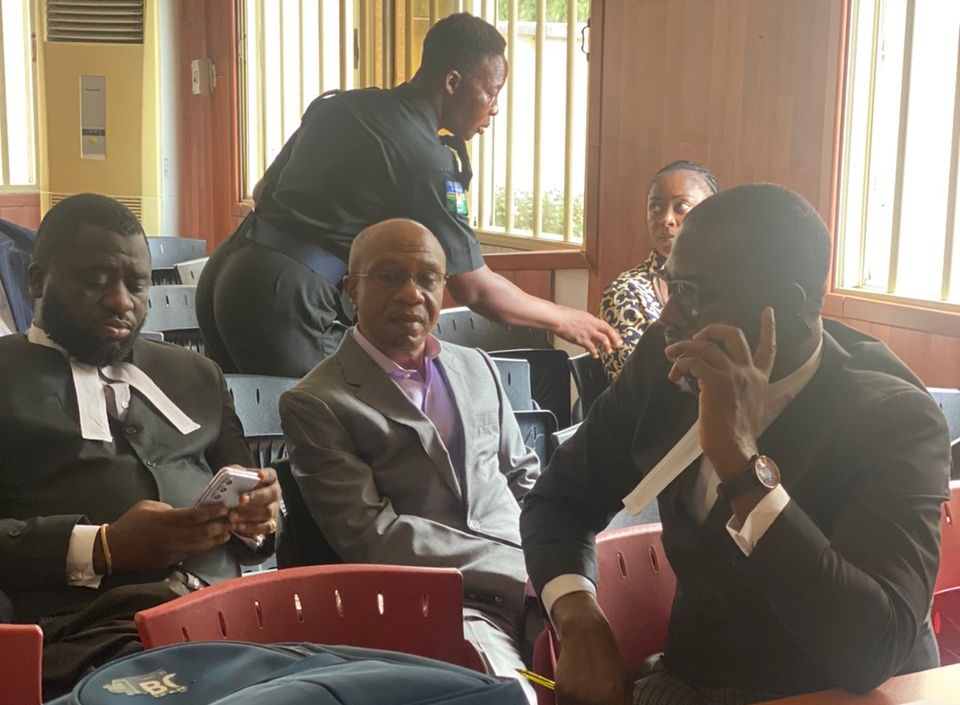

This latest case comes a few months after PREMIUM TIMES reported that the Federal High Court in Port Harcourt canceled a controversial extraordinary general meeting of Springview International Logistics Limited related to the vessel’s planned sale.
On 1 April, Justice Stephen Pam ruled to nullify the meeting held on 24 February and declared its resolutions invalid. The court also stopped the respondents from selling or disposing of Springview’s shares in Electra Offshore Limited and Exview Hong Kong Limited until the main dispute is resolved.
The judge stated that the parties should protect the subject matter of the case rather than take actions that could affect the court’s final decision. This ruling followed a challenge by Global Spectrum Energy Services Plc, which claimed that the meeting went against an earlier court order.
This situation raised concerns about corporate governance and protecting the interests of shareholders when valuable business assets are being sold. The renewed court case now highlights the vessel’s ownership, its alleged past earnings, and the disputed transfer.
Implications for indigenous maritime investment
The dispute also raises concerns about how to protect Nigerian investors in international maritime partnerships and adhere to the Coastal and Inland Shipping (Cabotage) Act 2003. Section 23 of this Act requires at least 60 percent Nigerian ownership in qualifying joint-venture agreements involving vessels in Nigerian coastal trade, subject to the law.
The Nigerian partners’ claim of 60 percent ownership puts the dispute at the heart of the conversation about Nigerian involvement in the maritime industry. The legal principle of nemo dat quod non habet is central to this issue. This principle means that a person cannot transfer better ownership than what they legally have.
This principle might come into play if the court finds that the vessel was sold without proper authority or against the rights of other owners. For ADNOC Logistics & Services, this case could bring up questions about the title they acquired, the transaction details, and potential claims from those who say they owned the vessel first.
So far, the court has not decided on these competing claims or confirmed if any wrongdoing occurred. The outcome could affect Nigerian investors who want to engage in international maritime ventures, especially when foreign partners control operations and finances of jointly owned assets.




Drop your comment
No comments yet — be the first to drop the gist 👇