In 1956, while Egypt’s Gamal Abdel Nasser was changing things up by nationalising the Suez Canal, Nigeria was also making history. At Oloibiri, after years of searching, crude oil shot up from the ground, bringing hopes of a country “flowing with milk and honey”.
That hope was not all talk. Oil money built roads, supported schools, and kept Nigeria's economy alive after the civil war. For a young country trying to find its feet, oil was a real lifesaver.
But after pumping out 40 billion barrels, oil hasn't brought Nigeria the wealth it could have. Today, about 87 million Nigerians live in poverty. This is a country that has often been held back by its own resources.
Even though oil brings in a lot of money, it only employs 18,712 people directly. That is just 0.02 percent of a workforce of over 100 million. With so many people, the oil sector just can't provide enough jobs. This isn't a political issue. It's just how resource-heavy industries work.
Nigeria has historically sold up to 97 percent of its crude oil while buying back refined products at high prices. We sell cheap and buy expensive. This is a major problem. To fix this, we are working on the Dangote Refinery.
Before oil, Nigeria was known for its strong agriculture. We were the biggest producer of palm oil and the top exporter of groundnuts. Nigeria was also a key player in cocoa, rubber, cotton, and cassava.
We didn't start off underdeveloped. We traded our diverse economy for a risky reliance on oil. A new report called “Pipe Dreams” from Oil Change International and Power Shift Africa shows this clearly.
Between 1970 and 1985, cocoa production dropped by 43 percent. Rubber fell by 29 percent, cotton by 65 percent, and groundnut exports dropped by 64 percent. By the mid-1980s, Nigeria was importing food instead of exporting it, a shift that still affects our economy and food security today.
In the Niger Delta, 88 percent of local fishing businesses have closed down. Income from shellfish collection is down by 60 percent, and cassava yields have dropped by 48 percent in the affected areas. The cost to clean up the Niger Delta's environment is estimated at over $11 billion.
The oil industry owes local communities more than just money. It has to consider environmental, social, and economic factors as we move forward.
We need to look closely at our deals with international oil companies. The “Pipe Dreams” report shows that contracts in Africa often give investors returns that are much higher than expected.
When Nigeria and Angola tried to update their tax rules, big companies wanted even more benefits. This is normal for investors when they think the government needs the deal more than they do.
Diversifying our economy is now crucial for our future. Nigeria's place in the shift to cleaner energy is not just about risks, but also about real chances we haven't used yet.
The global move to cleaner energy is changing economies everywhere. Renewable energy could create around 14 million jobs across Africa by 2030, with four million of those in Nigeria.
IRENA’s research shows that investment in clean energy creates two to three times more jobs for every dollar than fossil fuels do. For Nigeria's large young population, this is not just about the environment; it could help with our unemployment crisis.
We have plenty of sunshine. We also have important minerals needed for clean energy. With 220 million people, most under 30, Nigeria has an advantage for a job-rich green economy. These resources just need to be used.
The way forward does not mean we have to stop using oil overnight. We need to strategically shift focus, just like we did with oil exploration. This means:
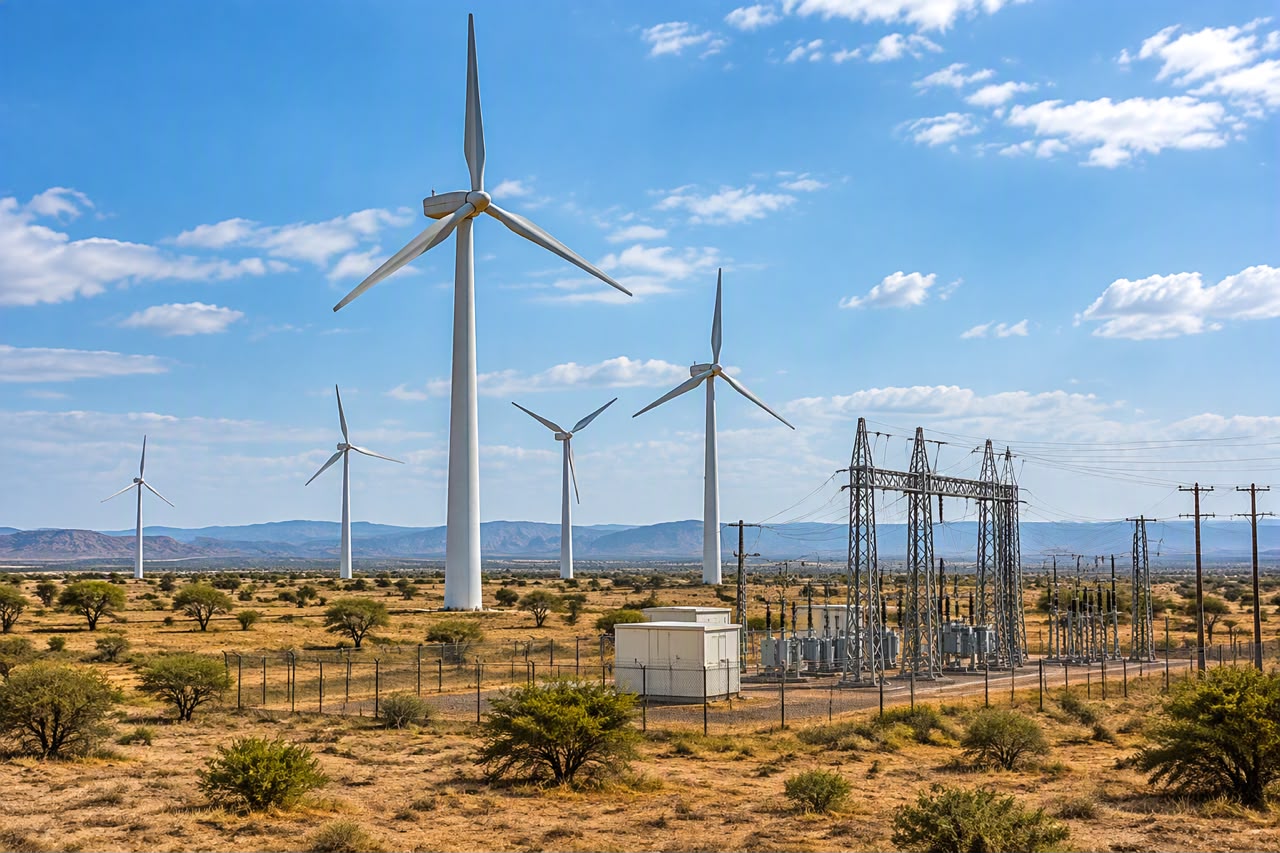
- Bringing energy to where people live. Energy access is essential for all economic activities. Solar mini-grids and small wind systems can reach areas without electricity.
- Building on our renewable strengths. A good policy can use Nigeria’s solar power to boost agriculture, manufacturing, and digital development, keeping benefits within the country.
- Focusing clean energy investments on jobs. Clean energy can be developed in ways that are easy for young Nigerians to access, giving them real careers.
- Ending the cycle of budget crises from oil prices. Each time oil prices fall, it reminds us that relying on one unstable resource is a choice. We can choose a more balanced energy economy to secure our future.
What we need now is political will, clear strategies, and the belief that Nigeria's best days are still ahead, not just in the past.



Drop your comment
No comments yet — be the first to drop the gist 👇