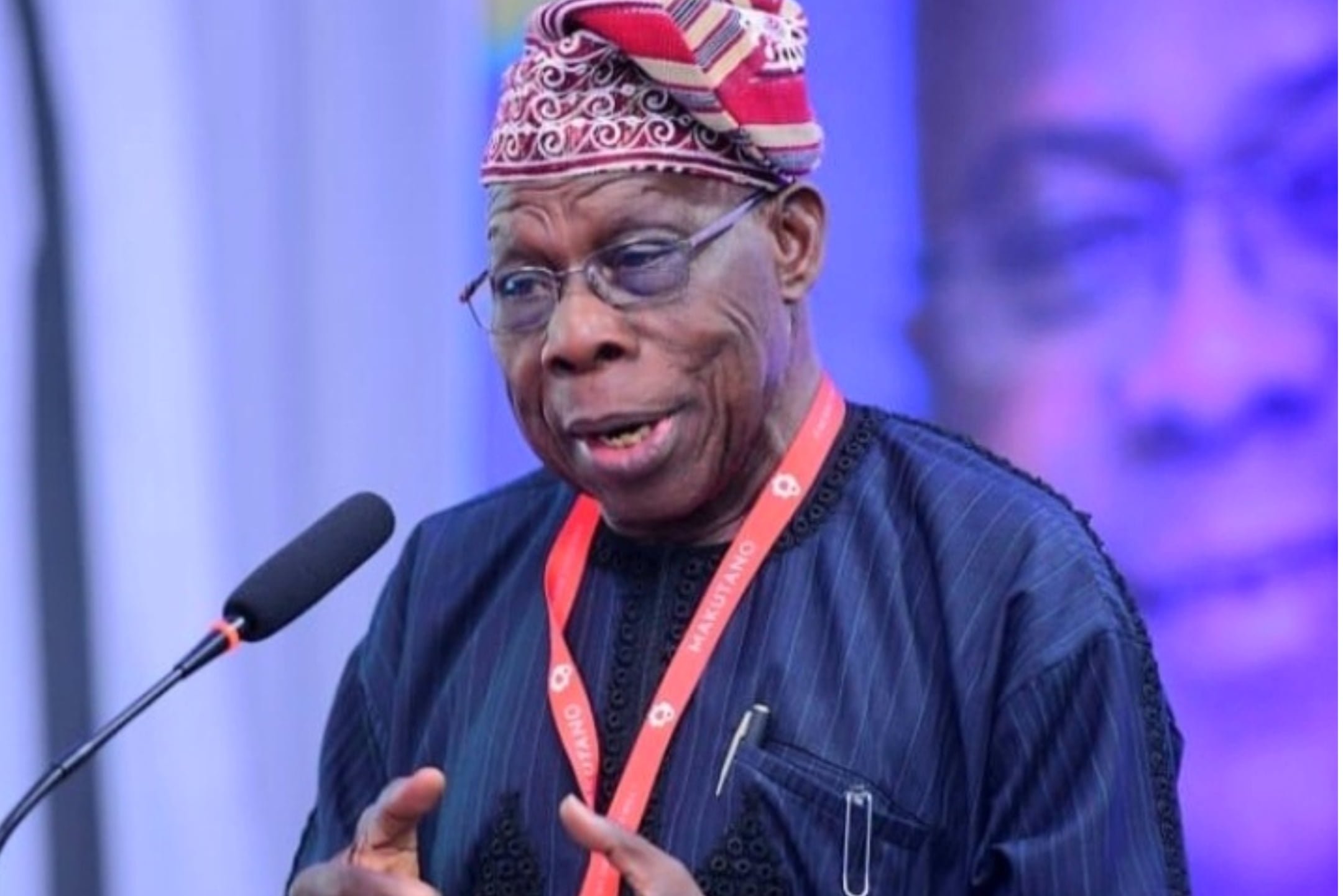
Former Nigerian President Olusegun Obasanjo has shared how Lafarge, a cement company, allegedly created problems for Aliko Dangote’s plans to expand cement production in Africa.
Obasanjo made these claims in Nairobi, Kenya, during the groundbreaking ceremony for a $16 billion oil refinery project in Lamu, Kenya.
This event was part of activities related to the initial public offering of Dangote Petroleum Refinery and Petrochemicals FZE.
Mr Obasanjo was Nigeria's president from 1999 to 2007.
Challenges to Expansion
He said Lafarge was against Dangote's growth in cement production. He called the situation in Senegal a “traumatic” experience for Dangote.
“The people who really didn’t want Aliko to succeed in cement production is a French company called Lafarge, and they put every obstacle on Aliko’s way, just as they are still doing to us today,” Obasanjo said.
He remembered that after Dangote built a 5-million-tonne cement plant in Senegal, residents, supposedly encouraged by Lafarge, questioned his ownership of the land.
“I took Aliko to President Wade and he gave us everything, and Aliko completed the 5 million tonnes cement project in Senegal for two years, they could not do anything.
“Lafarge instigated some local people and said the land on which he built the cement factory is their land. They went to court. Aliko won.
“They still didn’t leave him. We won, and Aliko had to pay $12 million. Am I correct? $12 million to be able to operate his cement factory two years after it has been completed,” he explained.
Obasanjo stated that this issue was part of Lafarge’s plan to stop Dangote from competing in Africa’s cement market.
“Lafarge, who wanted Aliko not to produce cement in Africa, they want to monopolise. Lafarge is out of Africa today. Aliko dominates cement production in Africa,” he said.
Setting Up Cement Factories
Obasanjo used this story to show how Nigerian government policies and private investments helped Dangote Group start cement production in Nigeria.
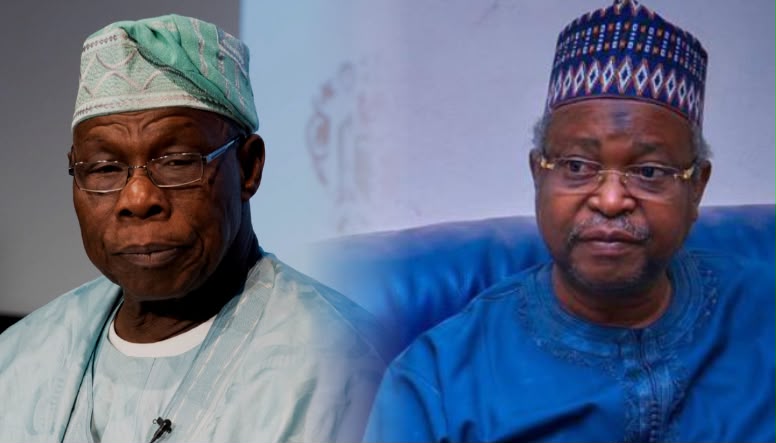
He recalled that in 2003, Nigeria was still importing cement, even though the country had produced it for many years. He called Dangote to find out why he was importing instead of producing.
According to Obasanjo, Dangote said importing cement was more profitable. He then linked cement import licenses to plans for domestic production.
Obasanjo said Dangote Group’s chairman initially planned to produce five million tonnes of cement, even though Nigeria had produced less than three million tonnes a year for many years.
He noted that this policy helped Dangote set up large cement plants in Nigeria and later expand to other African countries like Tanzania, Ethiopia, and Senegal.
“Just a few days before I left the government, we commissioned the first 5 million tonnes cement project in Nigeria.
“Then Aliko didn’t stop there. He went on and did another 5 million tonne project. I had to take him out. We went to Tanzania. We went to Ethiopia. We went to Senegal,” Obasanjo said.
Oil Refinery Development
Obasanjo also linked Dangote’s success in cement to his oil refinery project, saying it gave him the confidence to take on the refinery.
He mentioned his recent visit to the refinery where Dangote publicly thanked him for the policies that helped his cement business.
“Without this man, I would not have been in cement production. And it is the cement production that provided the encouragement, the inspiration for the refinery,” Obasanjo quoted Dangote as saying to refinery workers.
Obasanjo said Dangote Group’s growth beyond Nigeria shows the potential for African economic unity and urged the continent to focus on integration.
“I am particularly happy that I see this day where and when we in Africa are taking integration very, very seriously. Where East Africa and West Africa are being brought together with the commitment of our leaders, and with the courage and commitment and enterprise of one man, Aliko Dangote,” he said.
He added that the same strategy is being applied to the refinery, which is expected to boost trade and economic links between Nigeria and other African markets.
Drop your comment
No comments yet — be the first to drop the gist 👇