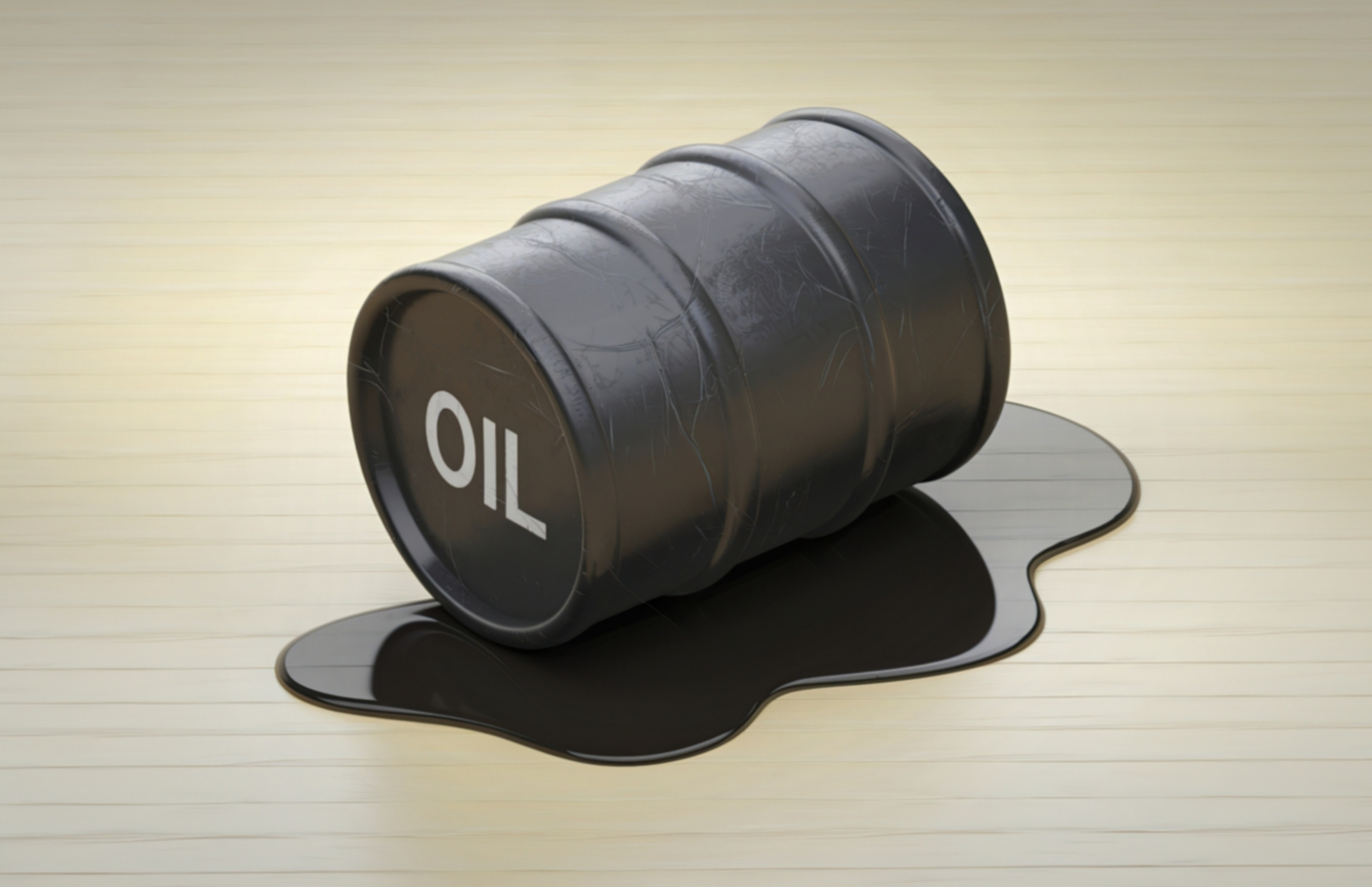
Global crude oil prices fell sharply on Monday after the United States and Iran reached a peace agreement. This deal ended over two months of fighting that affected global energy markets and pushed up inflation in many countries.
Brent crude, the international oil benchmark, dropped by almost four percent to $79.50 per barrel by 9:54 a.m. Nigerian time.
Market data shows that Brent crude opened at $80.24 per barrel on Sunday. It briefly rose to about $81 before steadily falling to $79.39, its lowest point in the last 24 hours.
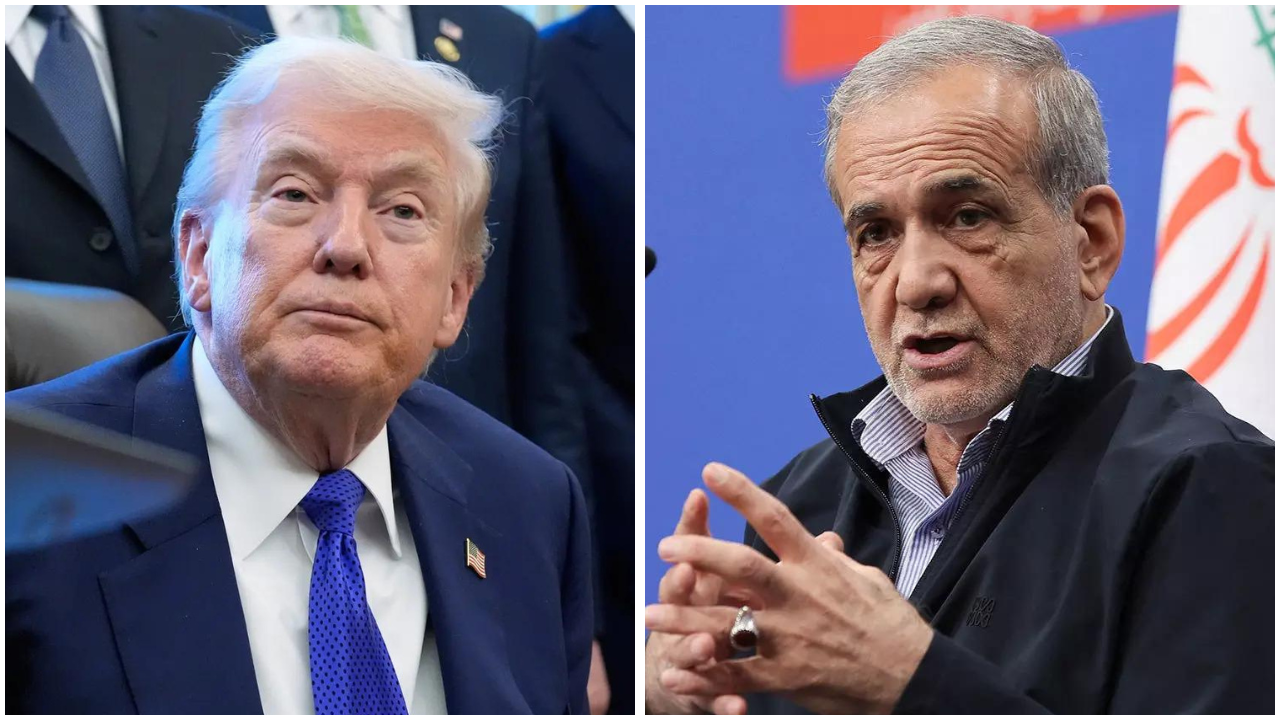
The drop in prices followed the announcement from Washington and Tehran that they had agreed to end their conflict.
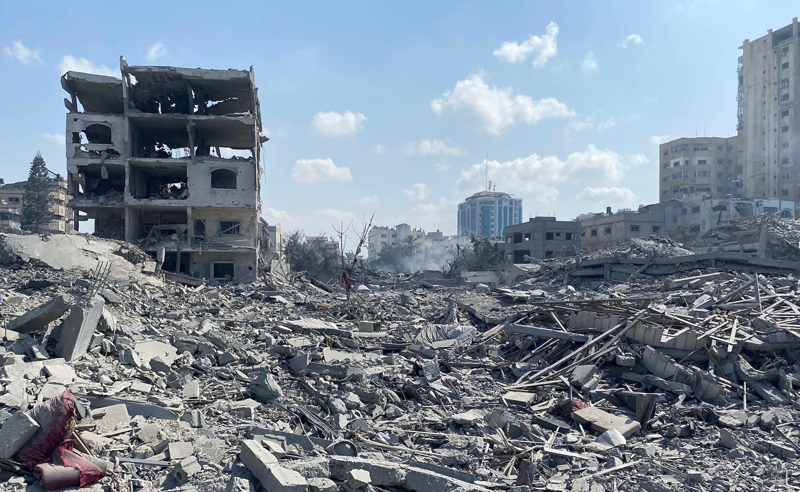
This agreement also stopped the war between Israel and Iran and ended Israeli military actions in Lebanon.
The peace deal was reportedly arranged by Pakistan and several Middle Eastern countries. It also allows for the full reopening of the Strait of Hormuz, a key oil transit route that carries about 20 percent of the world's crude oil.
The strait had been closed since hostilities began on February 28, when the United States and Israel started military actions against Iran.
This disruption caused major swings in global oil markets, pushing Brent crude above $100 per barrel and raising energy prices to multi-year highs.
The rise in crude prices led to higher prices for refined petroleum products, such as petrol, diesel, and aviation fuel, in many countries.

In Nigeria, the jump in global oil prices meant higher fuel costs for consumers, transport operators, and businesses already facing rising living expenses.
As global crude prices fluctuated during the crisis, Dangote Refinery changed its ex-depot prices several times to match market conditions.
Petrol, which was about N870 per litre before the tensions in the Middle East, now sells for around N1,350 per litre or more in many major Nigerian cities.
This increase in fuel prices also raised transportation fares and pushed up the costs of food, goods, and services across the country.
The crisis led governments around the world to take steps to protect their economies and citizens from the effects of rising energy costs.
With the conflict officially over and the Strait of Hormuz reopened, analysts believe global oil prices could stabilize in the coming weeks.
If crude prices continue to decline, it may lead to lower petrol prices and reduced energy costs in Nigeria and other countries that import oil.



Drop your comment
No comments yet — be the first to drop the gist 👇