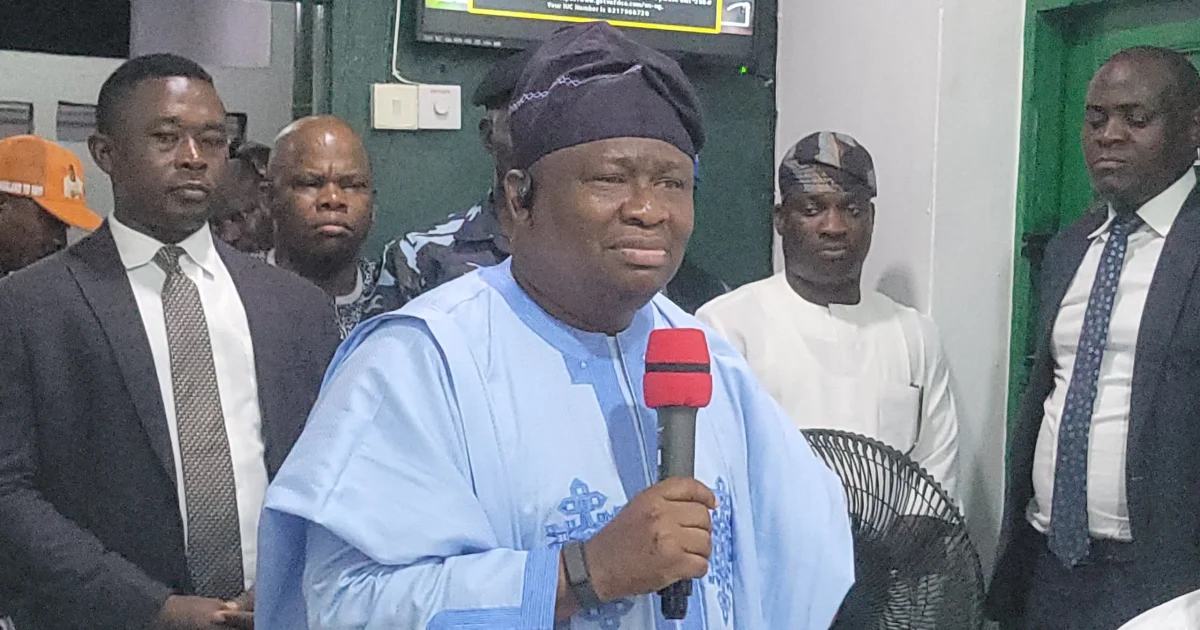
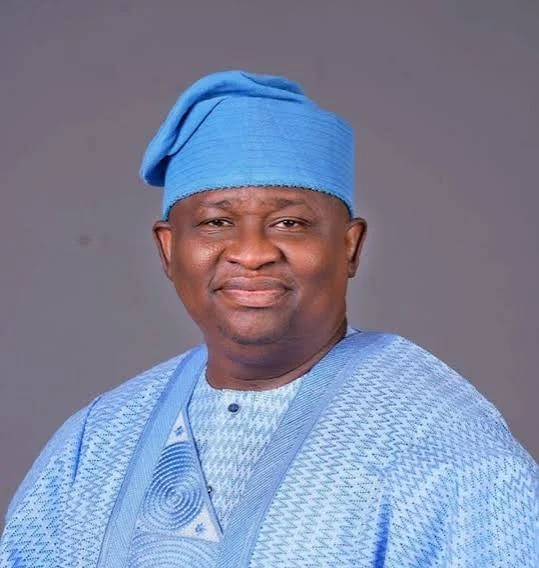
Senator Solomon Adeola is close to fulfilling his mandate as the All Progressives Congress (APC) governorship candidate in Ogun State. But he needs to start preparing for what is ahead. The biggest challenge for Ogun is job creation through private sector growth, and this is where Adeola should focus once he is elected next year.
Now that worries about his family background have eased, he should stick to his plans for the state. The strongest point in his favour is that the criticism he has faced since becoming the candidate to beat has shown his strength. His opponents seem to think they can derail his campaign by spreading doubts or misleading the voters.
I am not an Adeola supporter. I have never met him or anyone close to him since I first wrote about him a decade ago, predicting he would become governor of Ogun. But I care about Ogun's development as much as I care about Nigeria’s progress. His ability to make policy decisions can drive economic growth through the private sector, as long as it is done without the corruption that affects Nigerian politics.
It was impressive that he repeated this vision at the manifesto conference on Friday at the June 12 Cultural Centre, Kuto, Abeokuta. In "Governance That Works for Everyone: My Economic and Social Development Covenant with the People of Ogun State," Adeola talks about infrastructure development, human capital, agricultural transformation, and industrialisation as the foundation for jobs and a stable economy. He could be the governor who builds the largest state economy in Africa.
The logic is simple. The World Bank Group estimates that private companies create about nine out of ten jobs in developing countries. No state payroll, no matter how generous, can support a young and growing population. Governments make the rules, build roads, and ensure contracts. Companies hire workers, purchase supplies, pay taxes, and grow the economy.
Ogun State has already made progress. It was ranked second after Lagos in Phillips Consulting’s 2025 State Performance Index. Analysts credit its strong manufacturing base and its position as a logistics hub. The National Bureau of Statistics shows its internally generated revenue (IGR) increased from ₦100.7 billion in 2022 to ₦140.1 billion in 2024. This growth is mainly due to land transactions, factory levies, and logistics taxes. Private investments are also coming in, such as the $1.8 billion Lee Group industrial park on the Lagos, Ibadan Expressway, which will host over 29 factories and create about 2,500 direct and indirect jobs.
But having strong revenue does not mean financial health. Despite a good IGR, Ogun's overall fiscal performance index is low, and debt is increasing. BudgIT’s 2026 State of States report shows Ogun's total debt is ₦538.92 billion. This is the challenge for the next administration: Ogun cannot borrow its way to success. It must invest, regulate, and create incentives. Critics may argue that Ogun's progress is mainly due to Lagos’s influence and land-based revenue rather than real productivity gains. They have a point, and that is why transformation, not just restoration, should be the goal.
California is the fourth-largest economy in the world, behind the whole United States, China, and Germany. Its growth was not just due to government spending. Private businesses in technology, entertainment, agriculture, and trade built it, supported by public universities, ports, proper regulations, and secure property rights. The state’s job was to enable these developments, not to overshadow them.
Ogun can take lessons from this. It has ports and airports, a strong manufacturing sector, fertile land, and a large, young population. Most importantly, it can reclaim what Lagos has taken from it: people and land. Lagos grew by welcoming the overflow of Nigerian ambition. Ogun, sitting next to it with cheaper land and more space, can offer that ambition a better home.
Restoration means fixing roads and settling debts. Transformation means changing the state’s economic structure. This requires five strong commitments.

First, reliable electricity. Adeola has promised 24-hour power in Abeokuta. A factory cannot depend on a generator. Reliable power is the best incentive a government can provide and the most believable.
Second, a smooth investment environment. A one-stop approval system, clear land titles, and quick dispute resolution would boost investor confidence more than any tax holiday. Money flows where rules are clear and enforced.
Third, stop cronyism. Contracts should be awarded fairly and based on merit. An economy built on political connections rewards favours over skills and drives away serious investors. This is where Adeola can prove his worth.
Fourth, better value chains. Ogun’s farms should supply agro-processing facilities, not just markets. Affordable loans for small and medium businesses, which employ most Nigerians outside of government, would help local companies grow and supply the industrial parks around them.
Fifth, training for skills. Factories need skilled workers, not just labourers. Matching technical colleges and training programs with industry needs will ensure that job opportunities in Ogun go to Ogun’s young people.
Adeola has promised that his manifesto will become real plans, with agencies given performance targets and regular public updates. This promise should be taken seriously. Investors do not just look at manifestos; they check audited accounts, delivery schedules, and the consistency of policies over time.
Ogun’s moment is real, but it is not certain. Being close to Lagos is an advantage only if it is backed by strong policies. If Adeola combines ambition with discipline, treats businesses as partners rather than political favours, and shares his results for public scrutiny, Ogun could do more than catch up. It could set a new standard for what a Nigerian state can achieve.
The mandate is within reach. The hard work is in earning it.

Drop your comment
No comments yet — be the first to drop the gist 👇