September saw important changes in Nigeria's health sector. There were new measures for maternal health, healthcare financing, and local production of vital health products.
Outside Nigeria, there were worries about Ebola and the drop in malaria funding. These kept regional health security in the spotlight.
PREMIUM TIMES looks at some key health events from the month.
Nigeria raises alert for DRC Ebola outbreak
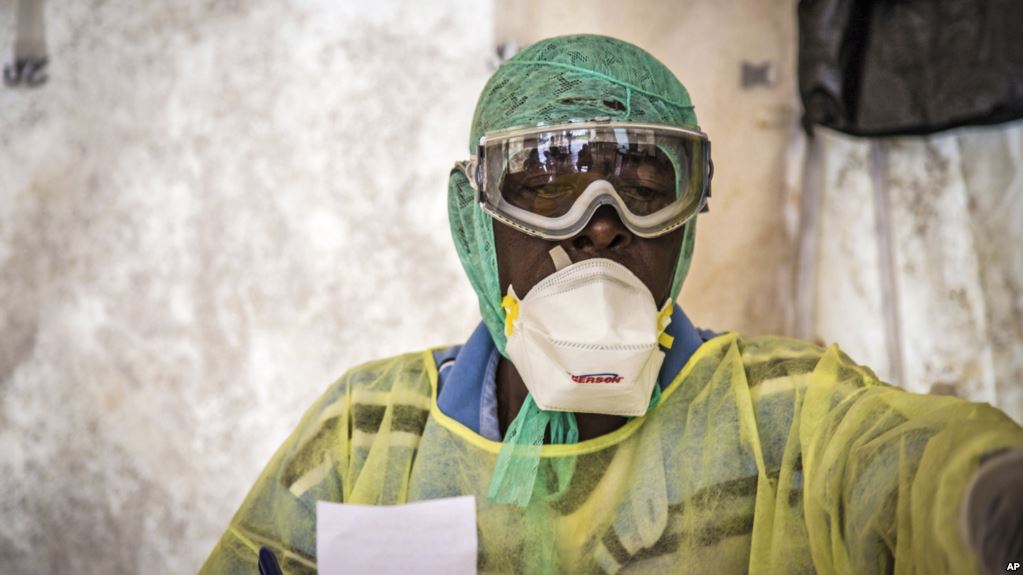
Nigeria has intensified its surveillance after the Ebola Virus Disease continued to spread in the Democratic Republic of the Congo (DRC).
As of 21 September, the DRC reported 7,773 confirmed cases and 3,759 deaths across 63 health zones in seven provinces. The NCDC stated that travelers coming from countries with active Ebola cases may need to fill out a Health Declaration Form.
Lassa fever deaths climb to 259
Nigeria recorded 1,086 confirmed Lassa fever cases and 259 deaths across 24 states and 118 Local Government Areas. The case fatality rate is now at 23.9 percent.
The NCDC found that late presentation, high treatment costs, poor health-seeking behavior, and low awareness in hard-hit communities are reasons for the high death rate.
FG introduces incentives for maternal and newborn healthcare
The federal government has rolled out new incentives to encourage the use of maternal and newborn health services under the Maternal and Neonatal Mortality Reduction Innovation Initiative (MAMII).

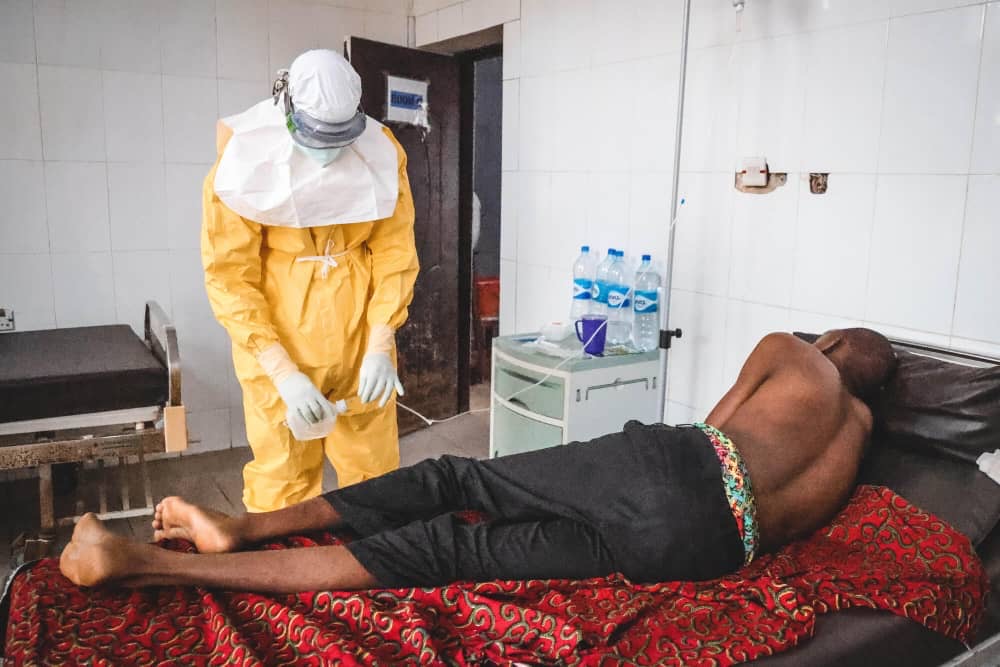

This initiative aims to tackle barriers that stop women and newborns from getting timely, quality healthcare. This includes antenatal care, skilled delivery, and postnatal services.
Nigeria starts local production of insecticide-treated nets
Nigeria has begun making dual-active-ingredient insecticide-treated mosquito nets to boost malaria prevention and cut down on reliance on imported health products.
When fully operational, the new factory is expected to produce about 10 million nets each year and create over 600 jobs.
Kaduna program improves response to postpartum bleeding
A maternal health program in Kaduna State is enhancing the skills of primary healthcare workers to identify and manage postpartum hemorrhage. This condition is one of the top causes of maternal deaths in Nigeria.
Under the Task Shifting Task Sharing project, 77 Community Health Extension Workers were trained in maternal and newborn healthcare at 77 primary healthcare facilities across nine LGAs. They learned the E-MOTIVE approach for handling excessive bleeding after childbirth. Records show that the supported PHCs handled 192 postpartum hemorrhage cases between October 2025 and June 2026.
Nigeria aims for 70 percent local production of essential health products
The federal government announced a goal to produce at least 70 percent of Nigeria's essential healthcare products locally by 2030. This is part of efforts to strengthen medicine security and cut down on imports.
The government revealed it has secured around $2 billion in financing commitments. Also, 87 local manufacturers have received zero tariffs on pharmaceutical machinery and production inputs.




Drop your comment
No comments yet — be the first to drop the gist 👇