
Nigeria is moving towards state police. This idea is no longer just a topic for debate. It is becoming a real policy solution to a security system that many see as overstretched and too centralized. Different parts of the country face different threats. These include banditry in the North-West, communal violence in the Middle Belt, kidnapping in the South-East and North-Central, and urban crime in major cities. Insecurity in Nigeria is very local. This shows why decentralizing policing makes sense and is hard to ignore.
But just having state police will not fix Nigeria’s security problems.
In fact, this reform might not work well unless local government administration is also strengthened. That is the missing part in many discussions. Nigeria cannot localize policing while local governance is weak, underfunded, and lacks political strength. A police system may be set up at the federal or state level. Still, it relies heavily on what is happening below: local institutions that understand the area, community issues, and can help stop violence before it starts.
This is why state police need support from local governance.
The constitutional context shows how important this moment is. Section 214 of the 1999 Constitution has kept a single Nigeria Police Force under federal control. Many reform proposals aim to change this and move policing to a more decentralized system. One proposal, HB 617, seeks to create federal and state police forces side by side. It wants to move policing from the Exclusive Legislative List to the Concurrent List. This change would let states create their own police services. Recently, the Senate approved a bill that allows states to form their own police forces. Yet, the broader constitutional process still needs more approvals before this reform can fully take place. The direction is clear: Nigeria is getting closer to having state police.
But as the constitution changes, one important question remains: are the institutions below the state strong enough to support local policing?
This question matters because policing is not just about having force. It is also about information, presence, trust, coordination, and daily systems that help communities spot trouble early. A state police command may have legal authority. But it cannot know which ward is vulnerable to cult recruitment, which village is facing land conflicts, or which market is becoming a crime hotspot. That knowledge does not mainly come from state capitals. It comes from being close to the community, local records, meetings, market leaders, school authorities, health workers, transport unions, and traditional institutions.
When local government is weak, this connection breaks down. Police then act only when something happens. They respond after kidnappings, after attacks, after neighborhoods are in darkness, and after rumors turn into violence. Nigeria needs a force that can act quickly. It also needs a governance system that can detect danger early.
This is why local government is key. Nigeria has 774 local government areas on paper. They are meant to be the third tier closest to the people. But in reality, many local councils are just shells. They cannot plan well, keep reliable records, or maintain local infrastructure. Often, they cannot even function independently.
The problem is real. For decades, the State-Local Government Joint Account system has allowed state governments too much control over local government money. This has made councils dependent on state governments instead of being strong local governance bodies. This has weakened local administrative power. That is why the Supreme Court’s ruling in July 2024 was very important. The Court said that money from the Federation Account should go directly to local governments. This ruling is seen as a big step toward giving local governments more financial power. However, reports show that the implementation has not been consistent and many councils still do not receive funds directly.
This issue is linked to the state police discussion. A local government without financial freedom cannot effectively help in public safety. It cannot maintain roads, street lights, emergency systems, or local offices. These are all vital for reducing insecurity before it becomes a police matter. Security is weakened not just by a lack of armed personnel but also by poor civic administration.
From this, three practical points arise.
First, local governance capacity is important. A good state police system needs local councils that can identify problems, keep records, gather community members, support conflict resolution, and send reliable information to higher authorities. If local governments lack trained staff, proper offices, and planning systems, the information needed for effective state policing will be broken.
Second, service delivery is a part of security. Bad roads slow down response times. Poor lighting allows crime to thrive. Unregulated public spaces help criminals. Bad sanitation and unmanaged displacement raise social tensions. Neglected schools and youth programs create more chances for gangs to recruit. In this way, local governance is not just next to security; it is necessary for security.
Third, public trust is key. Citizens do not share information with institutions they see as corrupt or absent. Much of the information that prevents violence in democratic societies comes from trust: residents reporting suspicious activities, leaders alerting authorities to rising tensions, and communities believing that state institutions will act fairly. Trust grows when local government is visible, accountable, and responsive.
Critics of state police are right to worry about political misuse. In Nigeria, the fear that governors might use state police against opponents, activists, journalists, or vulnerable communities is not unfounded. It is based on Nigeria’s political history. Any serious support for state police must address this concern directly rather than ignore it.

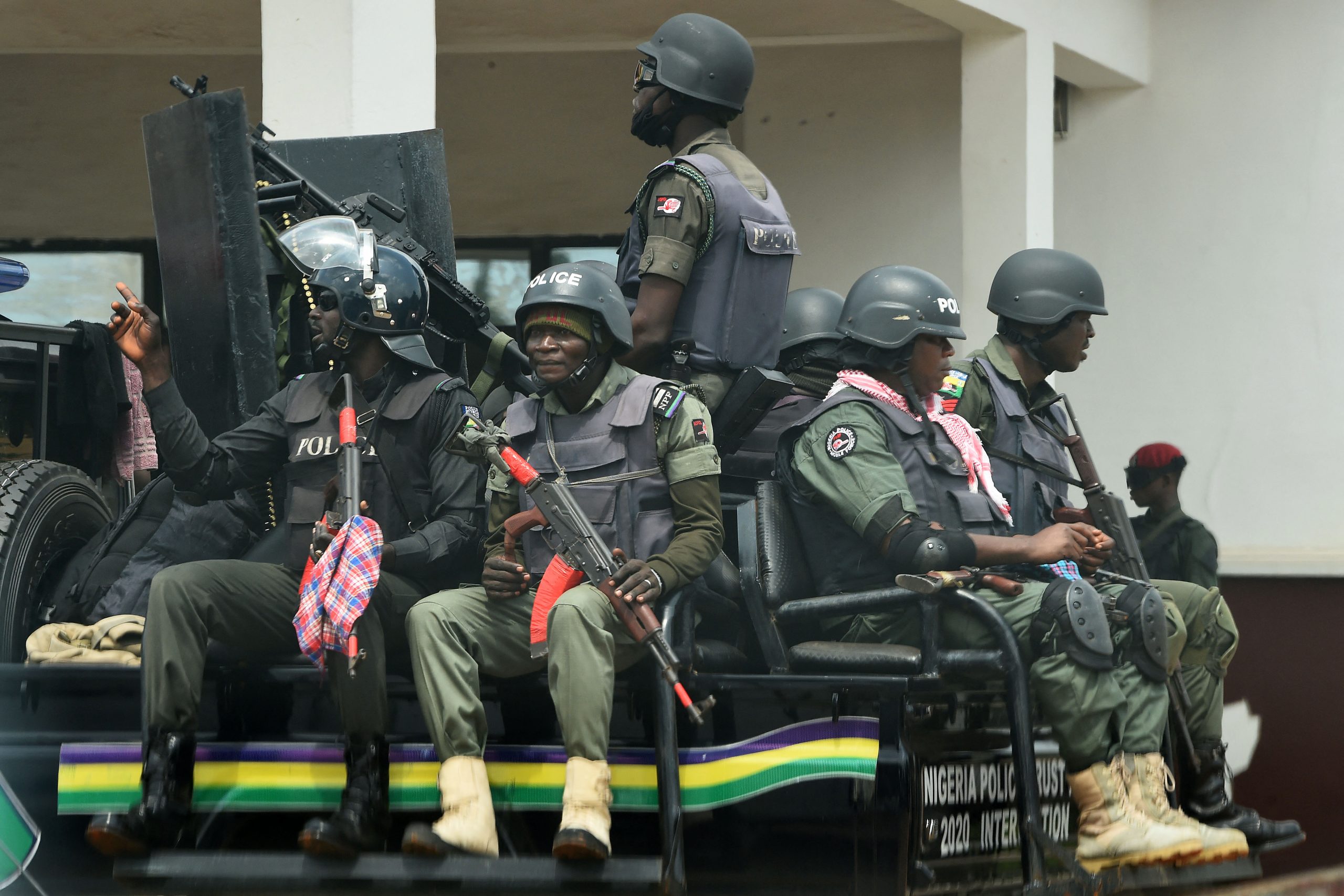
In fact, the biggest argument against state police is not operational but political. It is that it could spread coercion without accountability.
This is why local government reform is so important. Strong local institutions do not automatically stop abuse. But they increase the chances of oversight in policing. If local councils are democratically elected, if there are community complaint systems, if civil society and traditional institutions are part of oversight, and if local records are trustworthy, it becomes harder for policing to just serve the governor's interests. The solution to abuse is not to keep all power centralized in Abuja; it is to ensure that accountability is decentralized alongside policing.
This accountability should be clear. A workable state police model must include limits on gubernatorial control, independent state police commissions, legislative oversight at the state level, rights protections, transparent complaint systems, and defined ways for local government and community input. Reform should not just create a new police force; it must also set rules for recruitment, postings, discipline, operational limits, and how citizens can seek justice. Current proposals also raise questions about coordination between federal and state police, especially for crimes that cross borders. These issues need to be settled before any system is widely implemented.
Examples from other countries support this caution. In places where community policing works, local institutions help maintain coordination and trust. For instance, South Africa uses both formal police and local community policing forums to connect residents and police around safety issues. These setups are not perfect, but they show an important principle: local security is better when policing is part of wider civic structures, not just a separate force. Nigeria does not need to adopt any model completely, but it should learn this lesson. Decentralized policing works where local governance can handle part of the load.
It is also fair to recognize another point. In some places, local policing has worked even without strong local governments. India, for example, has long had state-level policing despite weak local governance. This is mainly because state bureaucracies and courts help fill the gaps. The United States shows a more mixed example, where decentralized policing is supported by various systems of oversight and professional norms. But that is why Nigeria must be careful. Where these supportive institutions are weak, poor local governance is a bigger problem. Nigeria should not think that just having state police will automatically lead to better policing.
So, what should be done?
The first step is to make local governments real governing bodies. This means more than just talk about independence. It needs enforcing direct funding in practice, stopping the financial control of councils by state governments, and ensuring that democratically elected councils replace caretaker leaders. Local governments cannot keep order if they lack the legitimacy that comes from elections and financial independence.
The second step is to build administrative capacity intentionally. Each local government should have a basic governance and security framework: functioning records, trained staff, local mediation systems, communication channels, and regular contacts with state security, schools, health authorities, market leaders, and traditional rulers. This may not be exciting reform, but it is vital for prevention.
The third step is to include local service delivery in security policy. Budgeting for street lights, rural roads, market management, and youth programs should not be seen as side issues. They are essential for maintaining local order. A state police system working in communities with weak local governance will be stuck reacting to issues that better administration could have prevented.
The fourth step is to create strong safeguards against political misuse. State police laws should have clear appointment processes, set professional standards for leadership, independent complaint systems, legislative review of key appointments, and defined reasons for federal intervention. The aim is not to block state policing but to ensure it is legitimate in Nigerian politics.
The fifth step is to formalize the role of communities without glorifying vigilante justice. Local information is critical, but it should come through accountable civic channels, not through ethnic militias or informal groups. Local governments can set up community security forums that include traditional leaders, women’s groups, religious leaders, youth representatives, and security officials. If done right, this can create a system for spotting danger that is based on trust rather than fear.
Nigeria’s state police discussion should go beyond simply asking if decentralization is good. The better question is if decentralization is built on strong institutions. A police badge is not a governance system. A new command structure cannot replace civic strength. And a state police law, no matter how necessary, will not guarantee safety in communities where local governance is weak.
State police might be part of Nigeria’s future. But if that future is to be effective, the reform must be based on reviving local government. The real promise of local policing is not just moving power closer to the states but rebuilding the local institutions that ensure public order is smart, preventive, and trusted.
This is the key lesson Nigeria should learn. State police need strong local governance. Without it, the country might decentralize policing without really improving security. With it, there is a much better chance of creating a public safety system that is closer to the people, more accountable, and more effective.




Drop your comment
No comments yet — be the first to drop the gist 👇