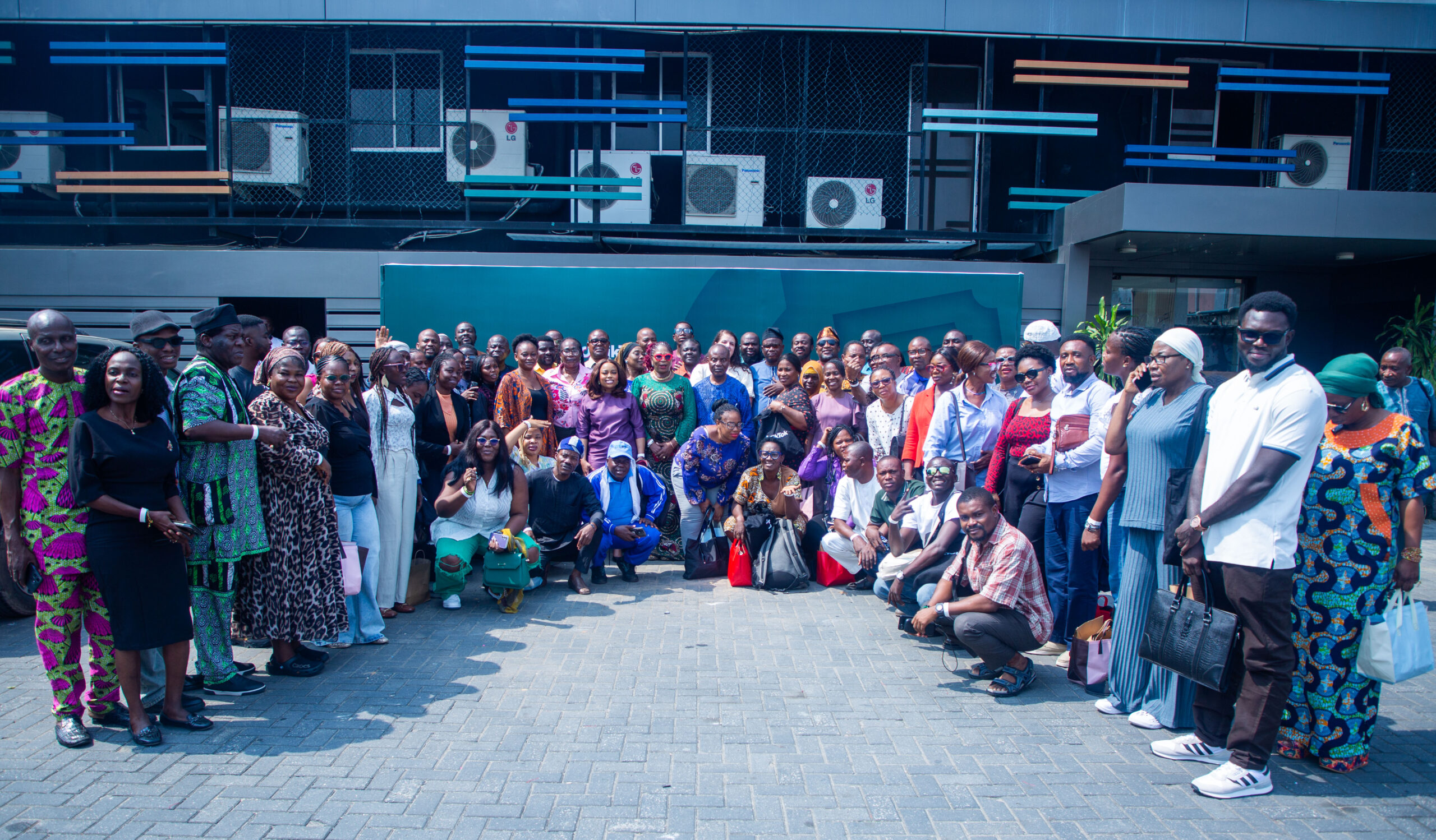
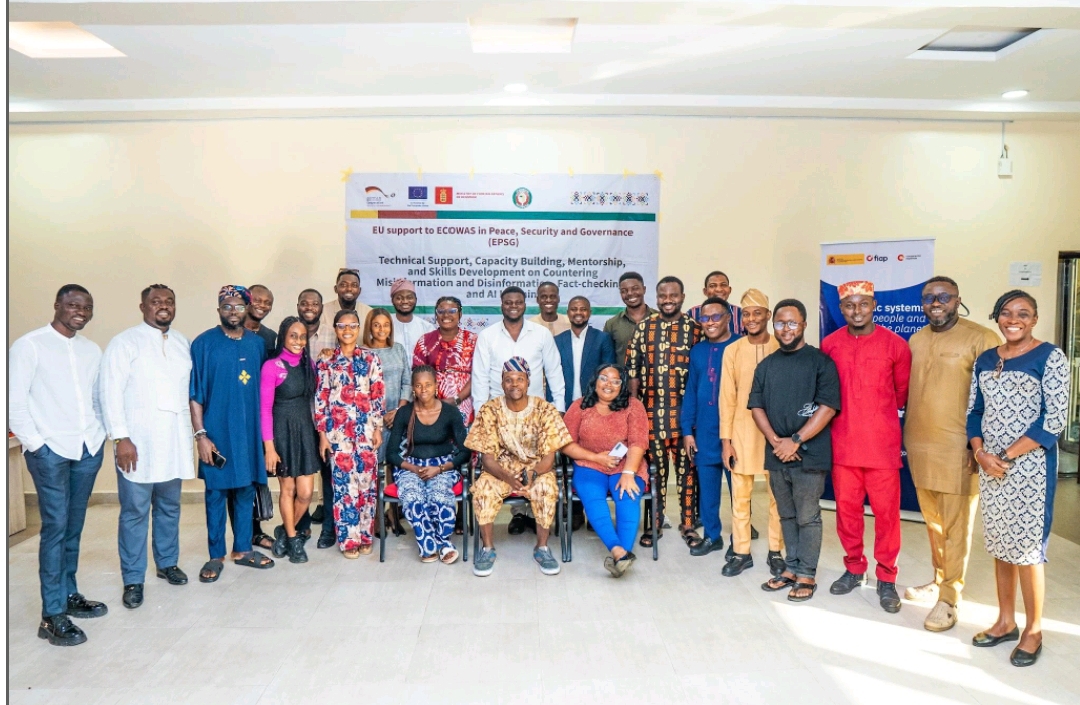
TikTok has teamed up with the Nigeria Union of Journalists (NUJ) and Code for Africa to train over 300 media professionals ahead of Nigeria’s 2027 general elections.
The training took place in Lagos, the Federal Capital Territory, Ogun, and Oyo. It focused on how to verify information, report responsibly during elections, and understand TikTok’s content ecosystem.
During the training in Lagos on Tuesday, TikTok shared steps it is taking to fight election misinformation, deceptive practices, and AI-generated content.
Nigeria will hold presidential and National Assembly elections on 16 January 2027. Governorship and state House of Assembly elections will follow on 6 February.
Journalist Training
TikTok said its partnership with the NUJ and Code for Africa aims to help journalists grasp new trends in digital journalism. It also wants to help them spot misleading information during the elections.
Philip Nwosu, Vice Chairman of the NUJ Lagos State Council, emphasized the duty of journalists to provide trustworthy information, especially during elections.
“This training, delivered in partnership with TikTok Africa, is timely as we prepare for the forthcoming general election, as it will strengthen journalists’ understanding of digital platforms, responsible content creation, information verification and emerging trends in online journalism,” Mr Nwosu said.
He added that ongoing training will help media professionals improve the quality and trustworthiness of their election coverage.
Election Information Centre
TikTok also announced an in-app Election Centre created with the Independent National Electoral Commission (INEC) and DUBAWA, a verification platform.
The centre will give information about voting, election dates, and other electoral processes. It will also guide users on how to spot misinformation.
TikTok mentioned that the centre includes an AI media literacy hub with tips on identifying AI-generated content and using AI tools responsibly.
INEC’s Director of Voter Education and Publicity, Victoria-Eta Messie, said access to true information is crucial for voter education and understanding the electoral process.
“We strongly believe that this initiative will assist in countering harmful misinformation, disinformation and fake news,” she said.
Election Task Force
The platform has set up an election task force made up of experts in election integrity, cybersecurity, misinformation, deceptive practices, and platform safety.
This team will use moderation technology and local moderators to enforce community guidelines during the elections.
TikTok’s Global Integrity Programmes Lead, Lorenzo Andreozzi, said working with electoral authorities, fact-checkers, and civil society is essential. Digital platforms cannot solve information challenges alone.
He added that TikTok will keep collaborating with INEC, DUBAWA, and other organizations familiar with Nigeria’s information landscape.
TikTok said it has applied election-integrity measures in more than 300 elections worldwide.
Misinformation and Deceptive Accounts
Under its current policies, TikTok will remove false claims about voting procedures and accounts pretending to be politicians, electoral bodies, or news organizations.
If an election-related claim cannot be verified straight away, the platform may attach an unverified-information label, warn users before sharing it, and stop the content from showing up on its “For You” recommendation feed.
TikTok works with over 20 fact-checking organizations accredited by the International Fact-Checking Network worldwide. In Nigeria, it collaborates with Code for Africa to check potentially misleading claims.
The company reported that over 210,000 videos were deleted between April and June 2026 for breaking policies on civic and election integrity, misinformation, and misleading AI content.
More than 99 percent of these videos were removed before users reported them. The statement did not clarify if this figure is just for Nigeria or worldwide.
AI-Generated Content
TikTok stated that creators must label AI-generated content uploaded to the platform.
It also uses content credentials, invisible watermarking, and an AI-generated-content toggle to identify or label synthetic media.
The company claimed that more than five billion videos have been labeled using these tools and technologies, but it did not provide specific numbers for Nigeria.
These measures come as concerns grow that realistic AI-generated audio, photos, and videos could misrepresent candidates, public officials, or election events.
Political Advertising Prohibited
TikTok reiterated its ban on paid political advertising, including promotions by creators for candidates or political parties.
Accounts belonging to politicians and political parties cannot advertise or use monetization features. These accounts also need to activate two-step verification.
However, recognized election-management bodies can advertise voter-information messages, such as details about registration, polling, and participation.
TikTok also said it removed over four million videos in Nigeria for various violations of its community guidelines during the second quarter of 2026.
According to the company, 98 percent were taken down before users reported them, while 91.7 percent were removed within 24 hours.
Drop your comment
No comments yet — be the first to drop the gist 👇