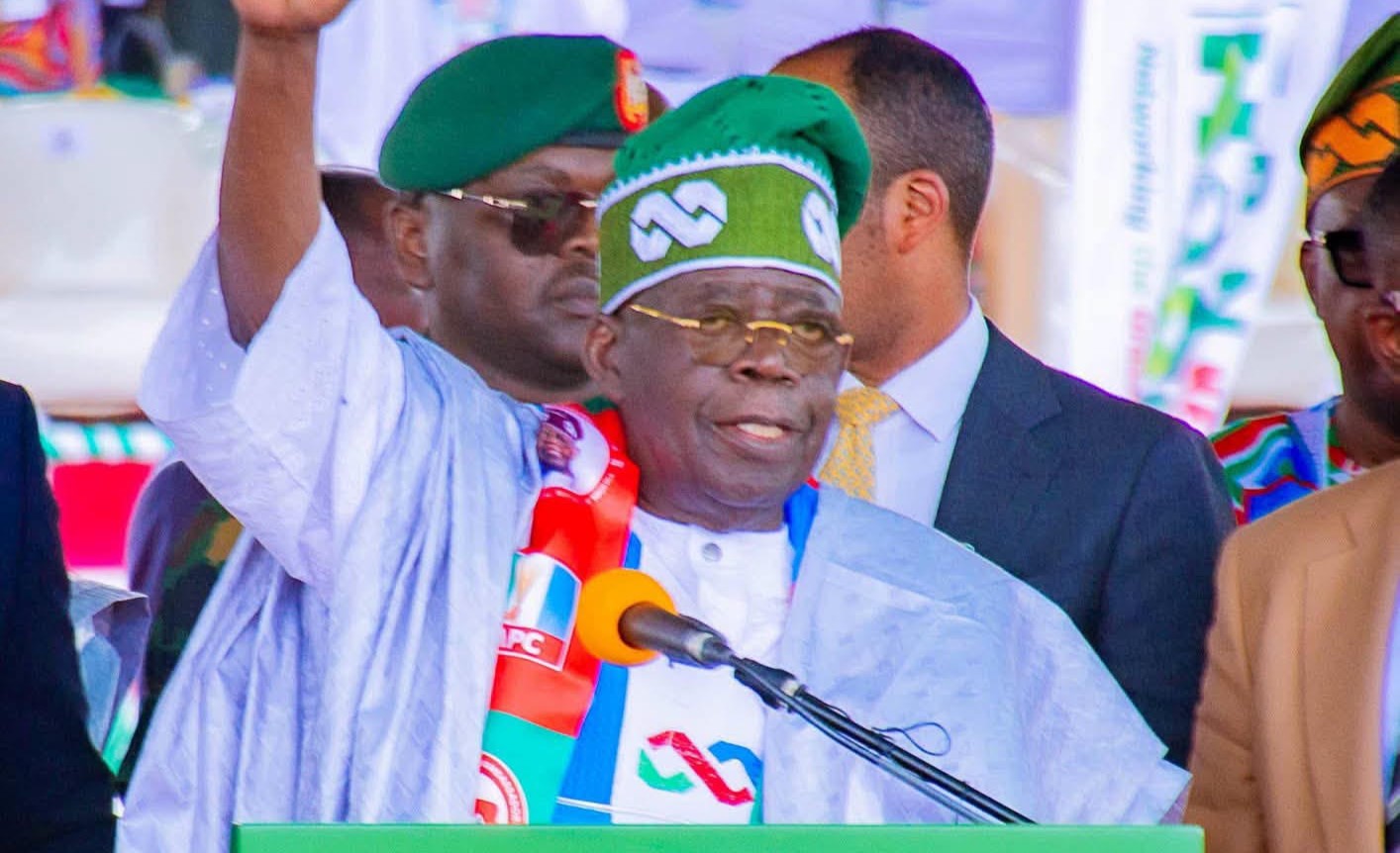
President Bola Tinubu has vowed to cut the number of out-of-school children in Nigeria by half by 2031. He also plans to recruit and train 20,000 more teachers. This is part of a broader effort to improve education in a country facing issues with access, poor facilities, and low learning outcomes.
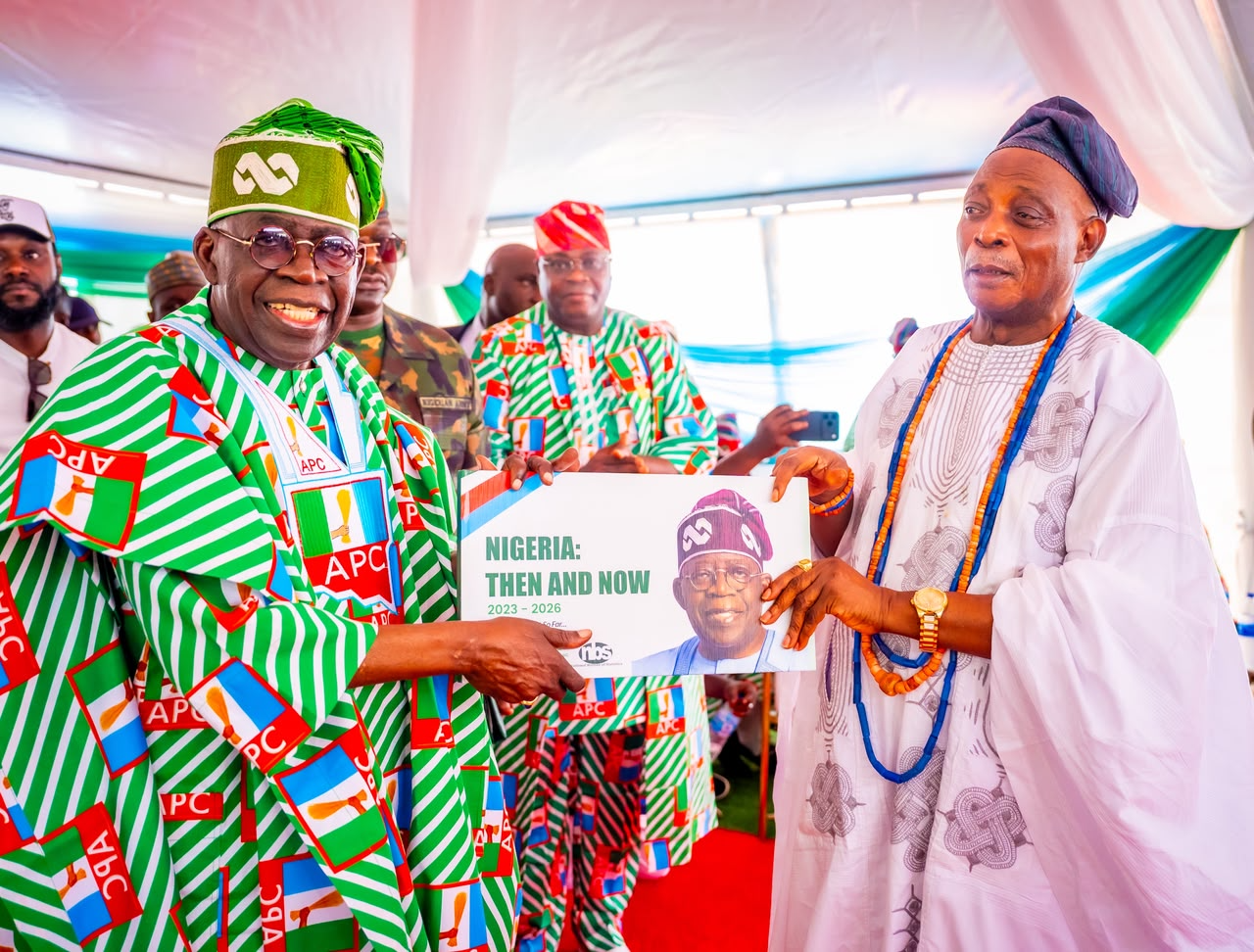
Tinubu's promises are in the All Progressives Congress (APC)'s manifesto for 2027 to 2031, titled "From Reforms to Prosperity." The document was presented on November 10 in Abuja.
Jumoke Oduwole, the Minister of Industry, Trade and Investment, shared details of the manifesto on behalf of the president. She highlighted plans to increase school access, keep students in school, boost teacher skills, and create safer learning environments.
In the section called "We Will Guarantee School Access, Safety, And Educational Retention," the president stated it will “scale HOPE-EDU nationwide to halve the number of out-of-school children by 2031.”
He also plans to expand the Adolescent Girls Initiative for Learning and Empowerment (AGILE). This program currently operates in 18 states and aims to reach states with many girls not in school.
Additionally, he proposed “dedicated return-to-school pathways for teenage mothers.” This recognizes the challenges young mothers face in continuing their education.
On recruiting teachers, President Tinubu said he will build on the 80,284 teachers already certified. He plans to recruit and train another 20,000, focusing on female teachers and those in rural areas.
He also promised to enforce safe school standards, improve access to water and sanitation facilities, and provide an annual education dashboard. This dashboard will track enrolment, dropout, and completion rates.
The push to reduce out-of-school children comes amidst a long-standing education challenge in Nigeria. A 2024 UNICEF report estimated that 10.2 million primary school-age children and 8.1 million junior secondary school-age children were out of school in Nigeria.
The federal government has its own figures. In April 2026, the Minister of Education, Tunji Alausa, estimated this number at 15 million. The ministry also said nearly one million children were being prepared to return to formal schools or alternative learning paths.
These different numbers show the need for the government to set a clear baseline for its 2031 goal. Even though the president mentioned an annual education dashboard, he did not share the exact number of out-of-school children that the 50 percent reduction will target.
He also did not provide yearly goals for how many children the government expects to enroll or keep in school each year. The challenge goes beyond getting kids into classrooms. UNICEF reported that 74 percent of Nigerian children aged 7 to 14 lack basic reading and math skills.
This shows the need to look at learning outcomes along with enrolment figures. Education was also a key part of Tinubu’s 2023 manifesto, Renewed Hope: Action Plan for a Better Nigeria.
That document promised better school facilities, teacher training, curriculum development, digital learning, and more opportunities for girls. It also aimed to improve accreditation standards and professional development for teachers.
Many of these goals remain in the 2027 document. The focus is still on teacher development, girls’ education, technical training, and using technology in schools. The new manifesto, however, sets specific targets for some commitments.
These include cutting the number of out-of-school children in half by 2031 and hiring and training 20,000 new teachers. The 2027 document also promises an annual education dashboard to keep track of enrolment, dropout, and completion rates.
The manifesto also shares numbers showing progress under Tinubu’s administration. It claims 3.7 million girls have enrolled in secondary schools in 18 states through the AGILE program, and over 10,000 schools have been fixed up.
It states that 80,284 teachers have been certified, around 978,000 teachers have received training, and 10,000 classrooms have been renovated across the country. These figures are from the government’s own report and do not show if these efforts have improved learning outcomes or significantly reduced the number of out-of-school children.
The manifesto admits that the next step must ensure children can enroll, learn well, and finish their education safely. It emphasizes “ensuring every child can enroll, learn effectively, and complete their education safely.” This will require more trained teachers and better school protection.
Beyond access and retention, the president wants to improve the quality and relevance of education in fields like science, technology, engineering, mathematics, and digital learning.
The manifesto says the government will “prioritize foundational learning, science, technology, engineering, mathematics, and digital capabilities across all educational levels.” It also promises to work closely with industries for practical training and to align courses with job market needs.
For technical and vocational education, the president plans to expand training programs and build on the Technical and Vocational Education and Training (TVET) initiative. This initiative has reportedly enrolled 117,152 verified trainees, with monthly stipends raised from ₦22,500 to ₦30,000.
The success of these programs will be measured by how many graduates find jobs, how businesses survive, and workplace productivity. At the tertiary level, the manifesto aims to grow the Nigerian Education Loan Fund (NELFUND), expand the National Smart Learning Initiative, and extend the Student Venture Capital Grant and Diaspora BRIDGE to more schools.
The document says NELFUND has processed 1,659,853 applications and paid ₦355.87 billion in student loans. Of this amount, ₦192.89 billion went to fees for students in 319 institutions, and ₦162.98 billion was for upkeep allowances.
It also states that the Renewed Hope Energising Education Programme has brought electricity to 37 federal universities and seven teaching hospitals. However, the manifesto does not explain how the government will tackle the financial and social issues keeping children out of school.
In many communities, challenges like poverty and distance to schools affect attendance. The annual education dashboard could help with public oversight, but its value will depend on whether it provides accurate state-level data and tracks real learning outcomes.
For a country still trying to get millions of children into classrooms, the success of this education plan will depend on whether the promises lead to more enrolment, better teaching, and improved learning outcomes.

Drop your comment
No comments yet — be the first to drop the gist 👇