The real promise of Africapitalism is not just about Tony Elumelu's own success. It's about the chance for thousands of entrepreneurs to create value, provide jobs, innovate, and help change Africa’s economy.
Talks at economic summits show that governments alone can't turn Africa's economy around. While countries look to foreign investments, borrowing, and aid, ideas rooted in our colonial past, something important is happening. Young Africans are finding ways to start businesses, create jobs, and solve local issues.
This change among young Africans shows they can innovate and start their own businesses. This brings us to Africapitalism, an economic idea linked to Tony Elumelu. The idea is clear: Africans should be at the heart of building Africa's economy. It believes that Africa's private sector can drive both economic and social growth by creating lasting economic value and social wealth.
The Tony Elumelu Foundation (TEF) has put this idea into action with a big entrepreneurship program. This program finds, trains, mentors, and gives seed money to young African entrepreneurs. The simple yet powerful goal is to give young Africans the tools and funds to create sustainable businesses, instead of just hoping they can find jobs in economies that are not creating enough work.
When we look at the scale and impact of TEF’s entrepreneurship program, the numbers are impressive. The story of Ms. Theresa Oluwagbemi is just one example in a larger ecosystem of entrepreneurship. Since starting its main Entrepreneurship Programme in 2015, TEF has helped over 27,000 entrepreneurs in 54 African countries. More than 2.5 million Africans have also taken business-management training through TEFConnect. Plus, TEF has given out more than $100 million in seed capital to selected entrepreneurs.
Recent data from TEF shows that businesses supported by the program have made over $4.2 billion in revenue and created more than 1.5 million jobs, both direct and indirect. TEF has also helped lift 2.1 million Africans above the poverty line and positively impacted over four million households.
The demand for the program is clear. In 2026, TEF received over 265,000 applications from young Africans before picking 3,200 beneficiaries. This is a rise from the 1,000 beneficiaries at the program’s start 11 years ago, with 51 percent being women.
With support from his wife, Awele, Tony Elumelu has taken TEF to new heights by partnering with major development institutions, governments, and global foundations. These partners include the European Union, UNDP, ADB, and many more.
I have been lucky to see the Africapitalism idea from a mentor's perspective in the Tony Elumelu Entrepreneurship Programme. Last year, I mentored Theresa Oluwagbemi, a young Nigerian entrepreneur whose journey shows how small funds can spark economic activity.
Theresa studied Mass Communication at the Federal University, Oye-Ekiti, where she graduated with second-class upper division. She began her entrepreneurship journey before finishing school by making and selling liquid soap to fellow students and lecturers. Like many young entrepreneurs, she had ideas and drive but lacked the resources to grow her business.
Then TEF came into her life.
Theresa found out about the program from a mentor who urged her to apply. Knowing the competition was tough, she submitted her application with her business pitch. When she got the email saying she was selected, it became, in her words, “one of the best days of my life.”
This moment was not just emotional; it marked a big change in her business journey. In January 2026, she received a $5,000 seed grant along with access to the program’s masterclass and mentorship. This combination is key. Money without knowledge can be wasted, and knowledge without money might not go far.
Her business, “Boom Liquid Wash”, started to reach a larger market. Before the grant, Theresa struggled with limited equipment and had to turn down contracts because she couldn't produce enough.
The grant changed everything. With the funds, she bought the essential equipment for production. Her customers grew from just students and lecturers to restaurants, offices, and individual buyers. Here is where the broader meaning of Africapitalism shows.
The $5,000 wasn’t just cash in Theresa’s account; it became productive capital. It turned into equipment, production capacity, customers, and business connections. It allowed 23-year-old Theresa to seize opportunities that were once out of reach. This is the multiplier effect of entrepreneurship.
Theresa’s story shows why developing entrepreneurship goes beyond just giving young people money. The TEF model teaches entrepreneurs the knowledge, strength, and connections needed to thrive in tough business conditions, and Nigeria's market can be challenging.
Theresa recalls when chemical prices for her production jumped by over 60 percent. For a small business, such a sudden cost increase can threaten profits and customer loyalty. How do you explain to customers that your prices just went up? How do you protect your profit margins without losing customers? How do you keep moving when your business's economics change overnight?
These questions are not just theory for young African entrepreneurs; they are daily realities.
We talked about these challenges, and Theresa learned to adapt. Her entrepreneurial journey has also opened doors to opportunities and people she might not have met otherwise. While still a student, she even made souvenirs for the Dean of her department.
More importantly, entrepreneurship has sharpened her skills in spotting problems and creating tailored solutions. This is another key part of Africapitalism: the entrepreneur isn't just a beneficiary of growth but an active player in it.
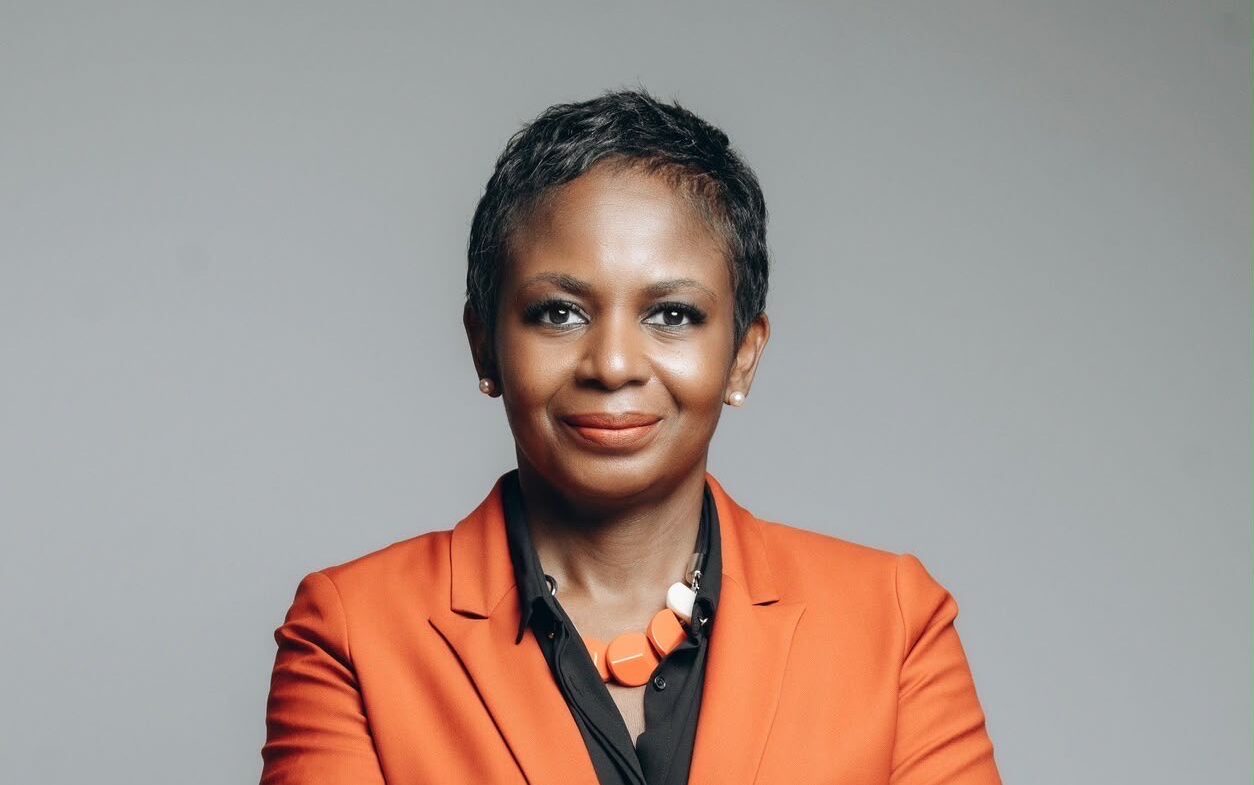


Theresa’s customers benefit as they have access to locally made products. Her suppliers gain from the demand, and the businesses that buy from her enjoy a reliable supply. As “Boom Liquid Wash” grows, its economic impact can grow too. Imagine multiplying Theresa’s success by thousands of entrepreneurs across Africa; the impact becomes even bigger.
This is why the Tony Elumelu Entrepreneurship Programme matters beyond just the individual entrepreneurs who get grants. The broader aim is to create an ecosystem where African entrepreneurs thrive, solve local problems, build African businesses, and create economic value within Africa.
Africa is full of entrepreneurial energy. What it often lacks are the funds, infrastructure, market access, knowledge, and support needed to turn ideas into real businesses. Thus, the role of catalytic capital can be huge, but money alone doesn’t guarantee success.
Theresa has learned some tough lessons along the way. One especially stands out: never sell on credit. Her experience shows a common issue for small businesses: cash flow. A small business can have customers and sales on paper yet still struggle if payments are delayed.
Another important lesson is that entrepreneurship is not a straight path.
There will be setbacks, unexpected expenses, disappointments, and moments of doubt. My advice to Theresa and other young entrepreneurs is to look back at their achievements and remember what drove them to start.
That resilience is crucial for building businesses that can last beyond the first support.
Currently, Theresa is doing her National Youth Service Corps program in Enugu, in Eastern Nigeria. She describes her time in Enugu as beautiful. She has met wonderful people and seen amazing places.
But NYSC is just another chapter in her story; her dreams are much bigger. She wants to grow “Boom Liquid Wash” into a business that meets global standards. She plans to gain more experience by interning with companies that represent the model she wants for her own business. She also wants to pursue an MBA because, as she says, building a global business needs “a global mindset, experience, and exposure.”
This ambition is what programs like TEF aim to support. There’s an important lesson for Africa here: development shouldn't just be measured by how much money is pumped into an economy. It should also look at the productive capacity that money creates.
The money should help create a business, attract customers, and increase production. Additionally, the entrepreneur should gain new skills. The business should be ready for bigger contracts while creating more opportunities for others and adding to the economic value in the community and the African economy.
This is the kind of value chain that makes the Africapitalism discussion so relevant. Tony Elumelu’s effort is based on the idea that the African private sector can lead development. Instead of seeing philanthropy merely as the distribution of funds, Africapitalism seeks to connect business, investment, economic growth, and social impact.
Theresa’s story shows this connection on a smaller scale. Her production grew, and her customer base expanded as her ambitions grew. The next challenge for her is sustainability.
The real test of any entrepreneurship program is what happens after the grant. Can businesses last? Can they grow and create jobs? Can they attract more funds? Can they become suppliers to larger firms? Can they expand beyond borders? Theresa seems ready to take on that challenge. Her goal to build a global-standard business is vital because Africa needs businesses that can grow, compete, innovate, export, and create wealth.
With so many young people in Africa, this need is more urgent. Millions of young Africans will join the job market soon, but no government can hire everyone. Sustainable private businesses must play a bigger role in solving this issue. This is where Africapitalism meets Africa’s development needs. The aim is not capitalism for its own sake; it’s about using private business and funds to create both economic and social value.
Theresa’s journey from a small liquid soap business aimed at students to a growing company with a wider customer base may seem small against Africa's big economic challenges. But real change often starts at this level, with one young African entrepreneur moving from reliance to enterprise. That’s how impact multiplies.
The true promise of Africapitalism is not just in the success of Tony Elumelu's entrepreneurs. It's in the potential for thousands of entrepreneurs to become value creators, job providers, innovators, and key players in Africa’s economic change.
Theresa’s story is about more than “Boom Liquid Wash.” It's about what happens when capital meets creativity, mentorship meets ambition, and opportunity meets hard work. This sums up Tony Elumelu’s vision for Africa: don’t just give young Nigerians a chance to find jobs; give them a chance to build businesses that create jobs, wealth, and solutions for Africa.
That is Africapitalism in action.


Drop your comment
No comments yet — be the first to drop the gist 👇