Representatives from governments, indigenous peoples, local communities, and other groups are gathering in Yerevan, the capital of Armenia. They are attending the 17th session of the United Nations Convention on Biological Diversity (CBD COP17) from 19 to 30 October. This meeting aims to speed up efforts to stop and reverse the loss of global biodiversity.
The conference takes place four years after the Kunming-Montreal Global Biodiversity Framework (KMGBF) was adopted. This framework set a deadline of 2030 to achieve its targets.
Organisers view the 2026 conference as a key midpoint between the framework’s adoption in 2022 and the 2030 target date for its goals.
The Conference of the Parties (COP) is the convention’s main decision-making body. It gathers member countries to review progress in carrying out the convention and their National Biodiversity Strategies and Action Plans (NBSAPs).
Countries also negotiate global priorities, agree on measures to protect biodiversity, and promote the sustainable use of natural resources. They establish ways to mobilise financial and technical support.
These efforts aim to ensure fair sharing of benefits from the use of genetic resources. Nigeria is among the countries that have committed to the convention.
Biodiversity Facing Challenges
In Nigeria and other parts of Africa, biodiversity conservation is under serious threat. Environmental degradation, economic issues, and weak institutions are major challenges.
Key threats include habitat loss and fragmentation. This is mainly due to agricultural expansion, slash-and-burn farming, urban growth, and turning forests into commercial plantations like oil palm farms.
Overexploitation of resources like endangered wildlife, commercial logging, and overfishing is also harmful to ecosystems. Pollution, climate change, and invasive species further disturb natural habitats and food chains, while population growth adds pressure on land and resources.
These issues highlight the need for better conservation policies, stronger enforcement, and sustainable ways to manage natural resources.
Global Efforts Not Enough
A new United Nations report, State of Biodiversity Action, shows some progress in implementing the Kunming-Montreal Global Biodiversity Framework. But it warns that countries are not moving fast enough to meet their commitments.
According to the UN, nearly 90 percent of parties have set national biodiversity targets. More than 70 percent have submitted national reports, and action is happening across all 23 targets of the framework.
Yet, implementation is still lacking. Fewer than half of the national targets assessed are considered on track.
The findings are likely to push countries to go beyond mere commitments and speed up the implementation of policies and programs needed to protect biodiversity.
The 2026 UN Biodiversity Conference will include COP17, the 12th meeting of the Parties to the Cartagena Protocol on Biosafety, and the sixth meeting of the Parties to the Nagoya Protocol on Access and Benefit-sharing.
Talks will focus on reviewing collective progress, strengthening support for implementation, advancing scientific and policy guidance, addressing financial and economic factors affecting biodiversity, and promoting fair sharing of benefits from genetic resources.
Main Topics to Discuss
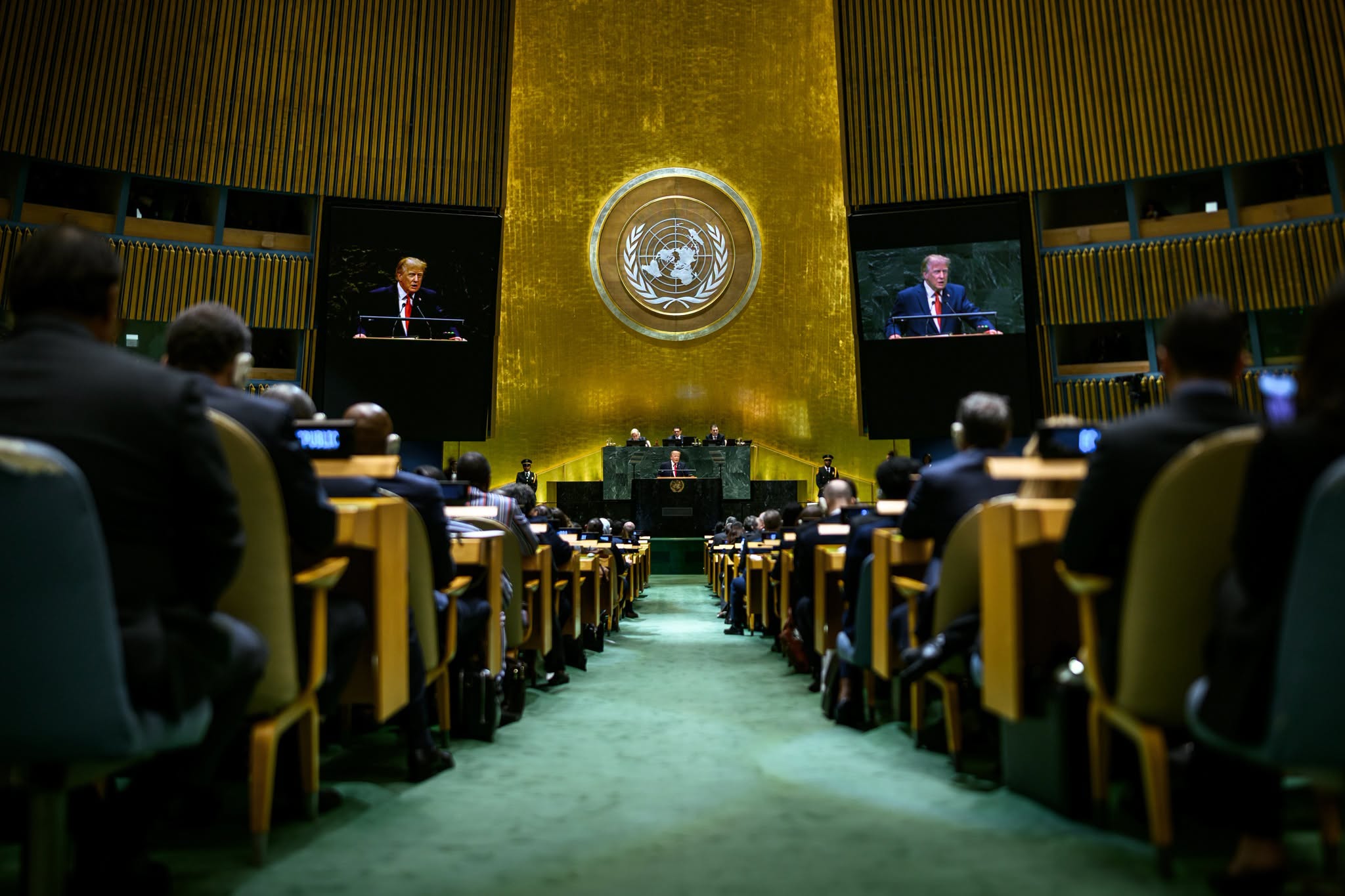

At COP17, countries will conduct the first global review of collective progress under the Kunming-Montreal Global Biodiversity Framework.
The review will assess how much progress countries have made toward their commitments and identify urgent gaps.
Other priorities include mobilising finance, improving capacity-building and international cooperation, and increasing the involvement of indigenous peoples and local communities in conservation.
Financing is a major concern because implementing biodiversity commitments needs sustainable resources. This is especially true for countries with competing development priorities and limited capacity.
The conference will also look at the policies and economic conditions affecting biodiversity outcomes. This includes how governments and others can align development activities with conservation goals.
The Cartagena Protocol’s 12th meeting will focus on strengthening implementation through updated guidance on risk assessment and management.
The Nagoya Protocol’s sixth meeting will discuss implementation, monitoring, building capacity, cooperation, and institutional effectiveness, especially regarding access to genetic resources and sharing benefits from their use.
High Participation Expected
Beyond formal talks, the conference will gather over 10,000 delegates from governments, scientific institutions, financial organisations, businesses, cities, indigenous peoples, local communities, and youth groups.
High-level meetings and other initiatives will allow stakeholders to share ideas, build partnerships, and create solutions for biodiversity action.
Organisers say broader participation is crucial to mobilising the whole society to meet global biodiversity commitments.
Hambardzum Matevosyan, the president of COP17 and Armenia’s Minister of Environment, said the meeting should renew countries’ commitment to the global biodiversity framework.
“Four years ago, we agreed on an ambitious global agreement for nature. In Yerevan, halfway between the adoption of the Kunming-Montreal Global Biodiversity Framework and 2030, we must renew our collective commitment and focus on its delivery,” he said.
He believes that inclusive and cooperative efforts will help countries find common ground and achieve results that benefit both nature and people.
Astrid Schomaker, the executive secretary of the Convention on Biological Diversity, said the conference should speed up actions to protect nature.
“Protecting biodiversity is not separate from protecting our economies. Our food, water, health, and livelihoods all depend on healthy ecosystems,” she said.
Ms Schomaker pointed out that countries agreed in 2022 on a framework to stop biodiversity loss, but warned that progress is still too slow.
“Yerevan must mark a turning point in our journey to 2030, putting us on a faster path to meeting the biodiversity targets and achieving our vision of living in harmony with nature,” she said.


Drop your comment
No comments yet — be the first to drop the gist 👇