
The latest census from Statistics South Africa shows that 3.9 percent of the country's population was born outside South Africa. Even though immigrants are a small part of the population, protest groups and political leaders are treating migration like a big crisis that needs urgent attention.
History across Africa shows that these kinds of actions can lead to displacement, economic problems, and diplomatic issues lasting many years. The South African government needs to think carefully about its next steps.
The rise in anti-immigrant feelings brings risks for both immigrants and citizens. The spotlight is on a deadline set for 30 June by anti-immigrant groups, demanding undocumented immigrants leave the country.
But these movements are also pushing for proposals that would limit immigrants' ability to work in the economy, which could hurt South Africans as well.
Sudden demands for immigrants to leave are not new in Africa. For example, former Ghanaian Prime Minister Kofi Busia gave a two-week deadline in 1969 for 'undocumented aliens' to exit Ghana. Similarly, in 1972, then-President Idi Amin ordered ethnic Asians to leave Uganda by 8 November.
These deadlines did not help the poor. Instead, they contributed to worsening economic and political conditions that lasted for years.
Ghana's 1969 expulsion of mainly African undocumented immigrants led to capital flight, supply chain issues, shortages of basic goods, and disruptions in cocoa and mining. It did not earn Mr Busia political support either, as he was removed in a bloodless coup two years later for failing to bring about promised economic growth.
Mr Amin’s expulsion of Asians caused many businesses to close, loss of skills, drops in production, and food shortages. By the 1980s, Uganda changed its policies to encourage expelled Asians and their descendants to return.
Unlike Ghana and Uganda, where immigrants faced government crackdowns, those in South Africa deal with vigilante violence and public unrest that could test the government’s authority.
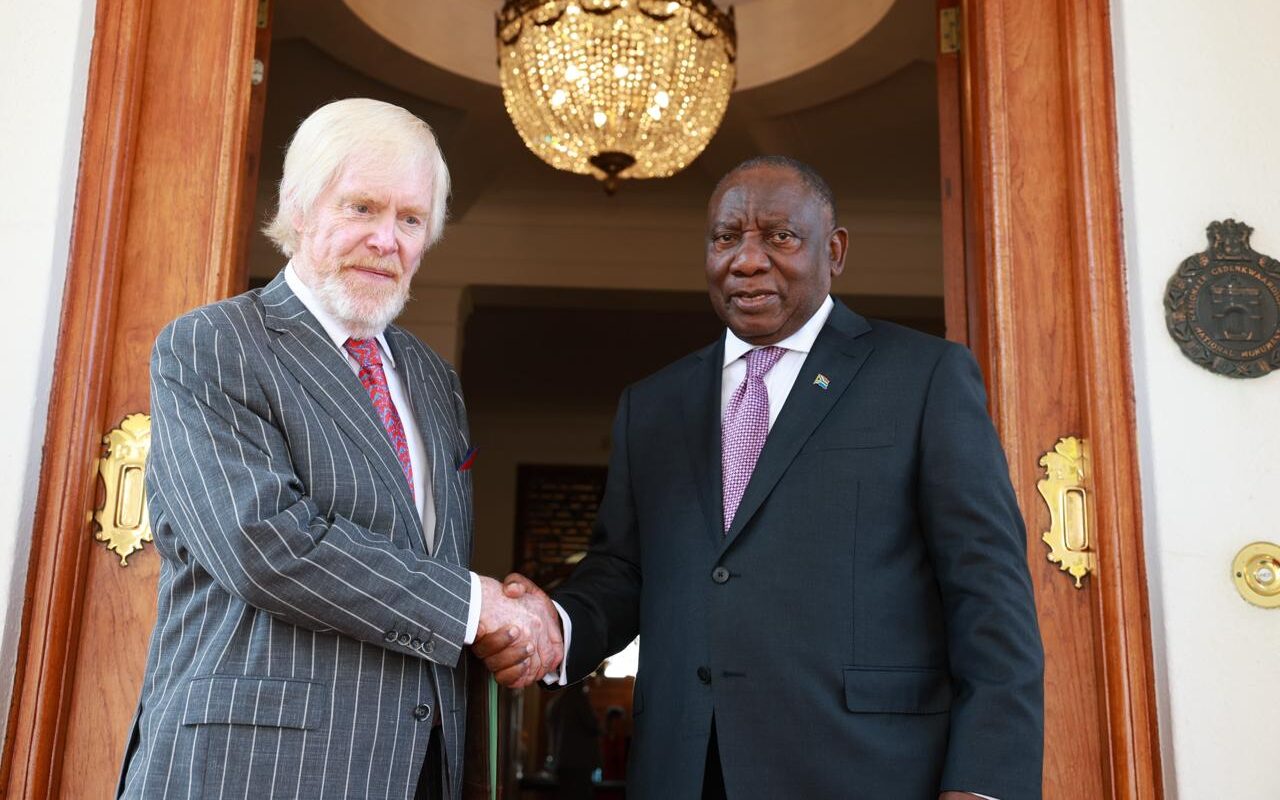
Even though South Africa’s government did not officially set the 30 June deadline, it has not acted against the group that did. Moreover, President Cyril Ramaphosa’s calls for tougher measures against irregular immigrants and more restrictions on documented immigrants add to the belief that African immigrants are unwelcome and could be searched or removed.
Apart from the dangers of the 30 June deadline, Mr Ramaphosa has suggested long-term rules limiting immigrant workers. In his national address, he announced that the government has completed the National Labour Migration Policy, which suggests maximum quotas for hiring documented foreign nationals in some sectors.
The Department of Small Business Development has also prepared a bill that lets the minister reserve certain business areas for South African citizens only.


These limits on foreign workers and businesses are not new in Africa.
In 2010, during tough economic times and loss of support for Robert Mugabe’s presidency, Zimbabwe introduced the Indigenisation and Economic Empowerment General Regulations. These regulations reserved many small business activities, like retail and beauty salons, for indigenous Zimbabweans. But these laws were often not enforced.
Zimbabwean media pointed out possible reasons for this reluctance, including worries about diplomacy, harm to supply chains, and the effect on Zimbabweans working abroad.
Eventually, all trading restrictions were lifted for immigrants who had opened businesses before 1 January 2018. Although new limits were brought in 2025 requiring foreign businesses to give majority ownership to citizens, experts warn this may threaten investment and economic stability again.
Another case of strict trade laws in Africa is Ghana, which introduced the Ghana Investment Promotion Centre Act in 2013 during trade tensions with Nigeria. This act made it hard for immigrants, mainly Nigerians, to engage in small business activities like petty trading or running a taxi service.
As in Zimbabwe, Ghana’s government was slow to enforce these laws. When Ghanaian traders wanted Nigerian retailers to close in 2019, Ghana’s High Commissioner to Nigeria told Nigerian business owners to keep operating. Closing down could have harmed Ghanaian businesses in Nigeria, where about half a million Ghanaians lived and worked, often without proper documentation.
In 2020, Ghana tried to shut down Nigerian-owned businesses before elections, after Nigeria closed its land borders to Ghanaian goods. This led to urgent diplomatic talks, resulting in Ghana agreeing to revise the act and collaborate with Nigeria on a ‘Ghana-Nigeria Friendship Act’ to resolve trade conflicts.
Even if South Africa manages to deal with the 30 June deadline without issues, its plans to remove thousands of immigrants from sectors where they are well-established could lead to the same economic troubles and diplomatic problems seen in Zimbabwe and Ghana. In those countries, changing policies later helped avoid bigger crises.
Mr Ramaphosa seems aware of these dangers, mentioning in his national address that he has been talking with countries in the region.
South Africa would do better to learn from these warnings and focus on fixing the real issues of poverty, inequality, and poor governance in the country instead of trying to satisfy anti-immigrant feelings. This approach will not solve the economy’s problems or stop South Africa's growing isolation in Africa.

Drop your comment
No comments yet — be the first to drop the gist 👇