Yiaga Africa has asked the Independent National Electoral Commission (INEC) to quickly share the guidelines and list of polling units for its mock accreditation and results-upload exercise set for 28 November.
The group said that if INEC does not publish the details of the exercise and where it will happen, it could stop citizens, political parties, and election observers from joining in and watching the process.
This exercise will test the Bimodal Voter Accreditation System (BVAS) and the INEC Result Viewing Portal (IReV) before the 2027 general elections.
On Thursday, Yiaga Africa's Executive Director, Samson Itodo, praised INEC for planning the nationwide exercise. He said this decision came after many citizens and civil society groups called for a test of the election technologies before the next elections.
He pointed out that the exercise is especially important because of the roles BVAS and IReV will play in the election, making it necessary for INEC to show that they are ready before the polls.
But he said INEC still has not released detailed guidelines that explain how the exercise will be done.
"Yiaga Africa is concerned that, despite the importance of the exercise, the Commission is yet to make public comprehensive guidelines and a framework outlining how it will be conducted," he said.
He also mentioned that INEC has not released the list of polling units for the mock accreditation and results-upload exercise.
Mr Itodo noted that without this information, it could be hard for election stakeholders to prepare properly, especially those who want to observe the exercise and evaluate how the technologies work.
He said citizens and stakeholders need enough notice and access to information so they can understand the process and know how to participate or observe.
He added that being open about the exercise is important for building public confidence in the technologies INEC plans to use for the 2027 general elections.
"Transparency in the conduct of the exercise is particularly important to building public confidence in the technologies that will be deployed for the forthcoming general elections," he said.
Mr Itodo specifically asked INEC to put out a full framework showing the scope of the nationwide exercise, how it will work, and the steps to follow.
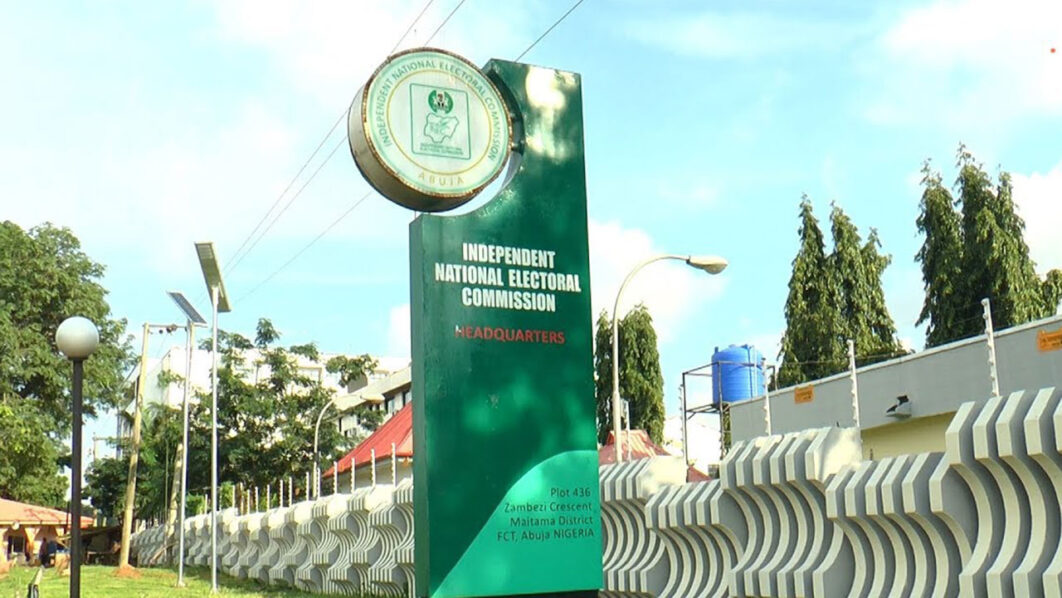
He also called for the quick release of the complete list of polling units and other important locations. This will give political parties, civil society groups, election observers, journalists, and other interested citizens enough time to get ready for the exercise.
Mr Itodo said the mock exercise should not just be seen as an internal technical check by INEC but as a chance for public review of the systems before the elections.
He urged INEC to show transparency and responsiveness by making the process open to all election stakeholders.
"Yiaga Africa urges INEC to approach the mock exercise as an important opportunity to demonstrate transparency and responsiveness while subjecting BVAS and IReV to meaningful public scrutiny ahead of the 2027 general elections," he said.
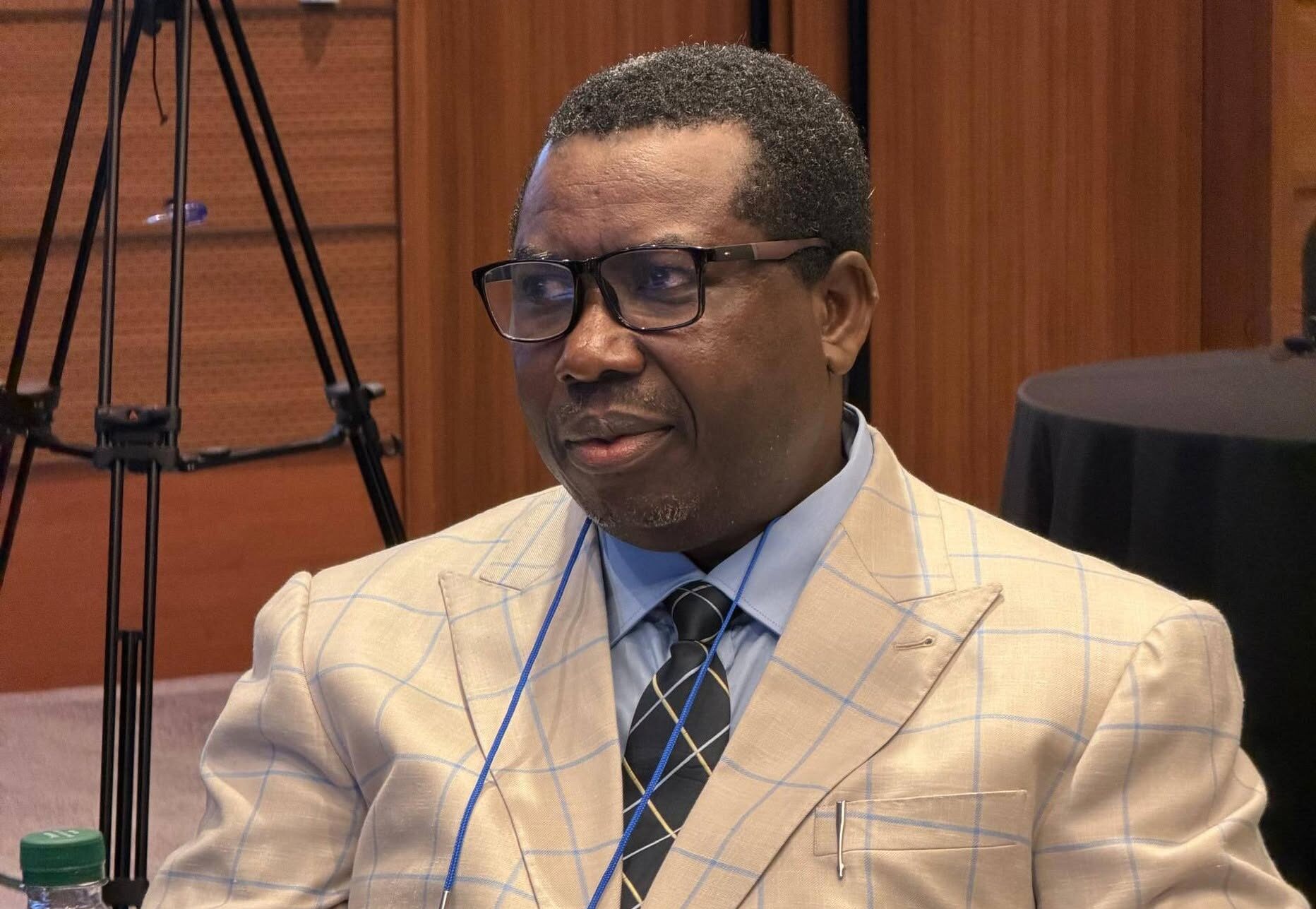
On 12 November, during a high-level discussion at Chatham House in London, INEC Chairman Joash Amupitan announced plans for a nationwide mock accreditation and voting exercise on 28 November.
This discussion, organized with the Kimpact Development Initiative, focused on Nigeria’s elections, democracy, and regional stability.
Mr Amupitan said the exercise will mimic the presidential election and help the commission see if its accreditation and electronic results transmission systems are working well before the general elections.
He added that the commission has introduced new technical measures to fix some issues faced during the 2023 general elections, especially those related to managing and uploading election results.
According to him, a review by INEC after the 2023 elections found that collation centres, not polling units, were the main sources of serious problems in managing results.
Mr Amupitan also revealed that INEC has bought more BVAS devices and reduced the maximum number of registered voters for each machine from 1,250 to 850.
The 2027 presidential and National Assembly elections are set for 16 January, while governorship and State Houses of Assembly elections will take place on 6 February.
Drop your comment
No comments yet — be the first to drop the gist 👇