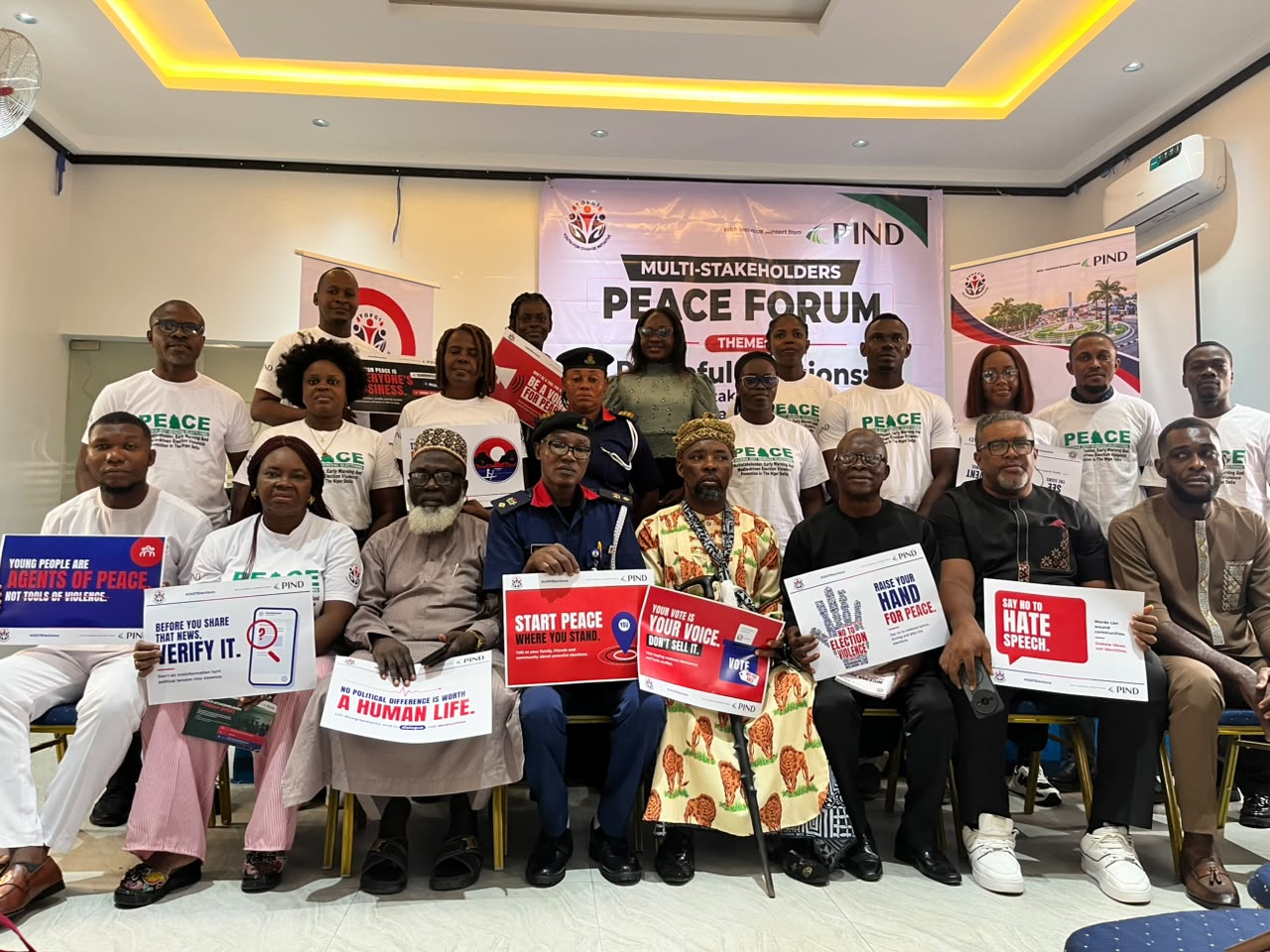
Stakeholders at a peace forum in Akwa Ibom State warned that vote-buying, political manipulation of security agencies, and declining trust in the electoral commission might disrupt the peaceful conduct of the 2027 general elections.
They urged the Independent National Electoral Commission (INEC), security agencies, political parties, and other important groups to act quickly to solve these problems before the elections. They warned that failing to do this could lead to more electoral violence and a loss of public trust in the process.
The stakeholders spoke on Thursday at a one-day peace forum organized by Youth for Change Initiative, with support from the Foundation for Partnership Initiatives in the Niger Delta (PIND) in Uyo, Akwa Ibom State.
The forum, themed “Peaceful Elections: Strengthening Stakeholders’ Collaboration for Electoral Peace in the 2027 General Elections,” brought together representatives from security agencies, traditional and religious institutions, civil society organizations, the media, and groups of women and youth.
Civil society actor Ekom Akpan presented a paper at the event. He identified vote-buying, political desperation, and public distrust in INEC as major threats to credible elections.
Mr Akpan said electoral violence is not just a problem on election day but a continuous issue that needs attention before, during, and after elections. He asked whether the 2027 elections would lead to another cycle of violence and families mourning. He urged stakeholders to prevent a repeat of past events.
He urged security agencies to take vote-buying seriously, warning that politicians might exploit economic hardship to manipulate voters. “Hunger should not be weaponised to ensure vote-buying,” he said. He encouraged citizens to refuse bribes and develop the values needed to hold elected officials accountable.
Mr Akpan noted that public confidence in INEC is declining. He mentioned past issues like glitches on the INEC Result Viewing Portal and worrying discoveries that have weakened Nigerians’ belief in the commission’s ability to conduct credible elections.
He asked the electoral body to rebuild public trust through clear transparency, timely communication, and openness in its preparations. He also challenged security agencies to show they are neutral, claiming that political elites have used security operatives to manipulate elections over the years.
“Beating me in an election does not mean we are enemies,” he said. He urged political parties and candidates to provide clear manifestos for public analysis instead of promoting hostility.
Mr Akpan further asked politicians to campaign with ideas rather than insults. He also called on religious leaders to speak honestly to political office holders instead of just repeating government positions.
He appealed to traditional rulers to stay neutral and warned against using women as tools for political mobilization without including them in political decision-making.
In a goodwill message, Ahmed Isa, representing the Hausa community in Akwa Ibom, urged voters to evaluate candidates based on their skills, past records, and policy proposals instead of their ethnic or religious backgrounds.
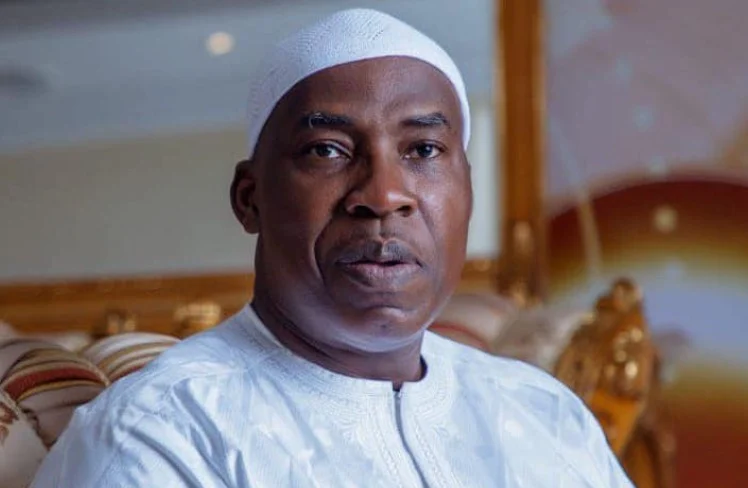
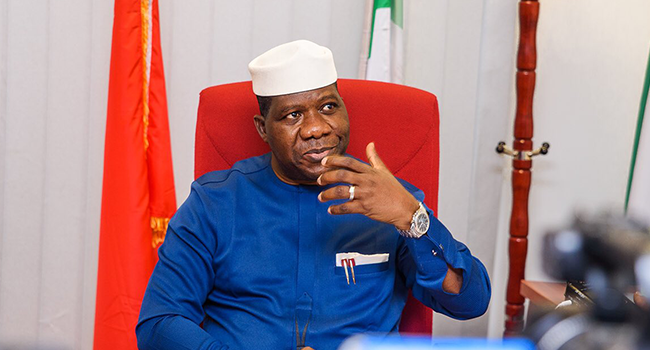
He advised voters not to be influenced by candidates’ performances at campaign rallies but to ask for their manifestos and check what they plan to achieve if elected. “Hold your aspirants and leaders accountable. When you succumb to vote-buying, you have sold your destiny. You cannot ask the person for anything during governance,” he said.
Similarly, traditional ruler Precious Udo of Ifa Ikot Abia Ntuen urged voters to choose based on their conscience and resist intimidation and vote-buying.
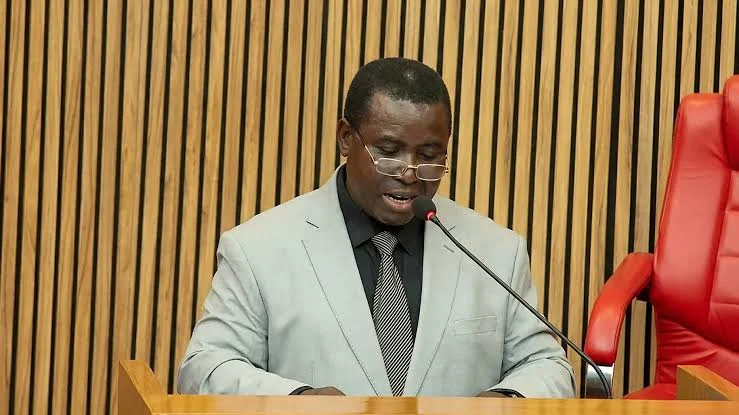
The Chairman of the Nigeria Union of Journalists, Akwa Ibom State Council, Nsibiet John, urged journalists to start examining candidates’ manifestos and investigate the feasibility of their campaign promises ahead of the elections.
Mr John warned against assuming that the outcome of the 2027 elections is already decided. He said stakeholders must prepare for potential challenges, including technological failures during the electoral process.
He suggested setting up professional election-monitoring situation rooms to track events and ensure timely responses to emerging problems. He cautioned journalists against spreading unverified information that could raise political tensions and urged them to check questionable reports before sharing.
“The media in Akwa Ibom State offers itself to stand as a reliable partner for peaceful and credible elections,” he said.
In her welcome remarks, the Executive Director of Youth for Change Initiative, Joy Ubong, said the organization is running a project to prevent and reduce election-related violence. This will be done through community-based early warning systems, stakeholder collaboration, and media-driven peace advocacy.
She explained that the project targets eight local government areas: Abak, Esit Eket, Etim Ekpo, Ibeno, Ibesikpo Asutan, Ini, Nsit Ubium, and Uyo.
According to her, Youth for Change Initiative has created, trained, and launched a 16-member Community Stakeholders Network made up of state and non-state actors to coordinate responses to reported conflicts and violence.
She said the network would work with 40 trained peace monitors placed across the eight local government areas to watch developments, spot early warning signs, document incidents, and report potential threats for quick action.
Ms Ubong pointed out that early warning and response, responsible media reporting, and collaboration among stakeholders are the three main strategies of the initiative. She encouraged stakeholders to verify information and avoid spreading inflammatory statements, stressing that peaceful elections are a shared responsibility.
Drop your comment
No comments yet — be the first to drop the gist 👇