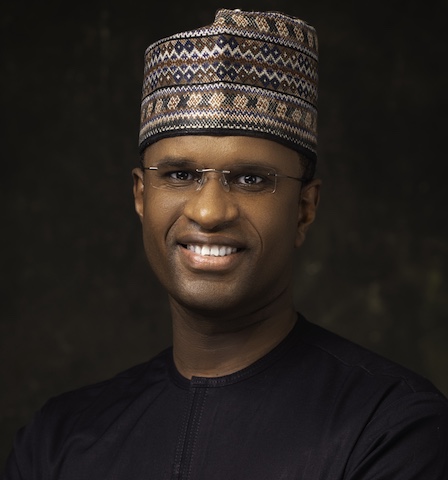
The upcoming governorship election in Adamawa State is causing some confusion. People often mix up the number of candidates against a single person with the strength of the opposition. These are two different things. Many candidates can agree that one person must lose, while making choices that actually help him win. Each candidate may have real support. But together, they can create a weak challenge that leaves their opponent in a better position. This is the main flaw in some arguments against Ahmed Galadima Aminu, the governorship candidate of the All Progressives Congress (APC). His critics point to the growing list of opponents as if every new candidate brings him closer to defeat. I see it differently. I believe the current situation gives the APC a solid chance to win.
For those who haven’t been following, there has been a big shift in Adamawa’s political alliances. Governor Ahmadu Umaru Fintiri, who won his position under the Peoples Democratic Party, switched to the APC in February. Now, the APC is approaching this election as the party in control of the state government. Any analysis that still views it simply as the opposition from the last election is outdated.
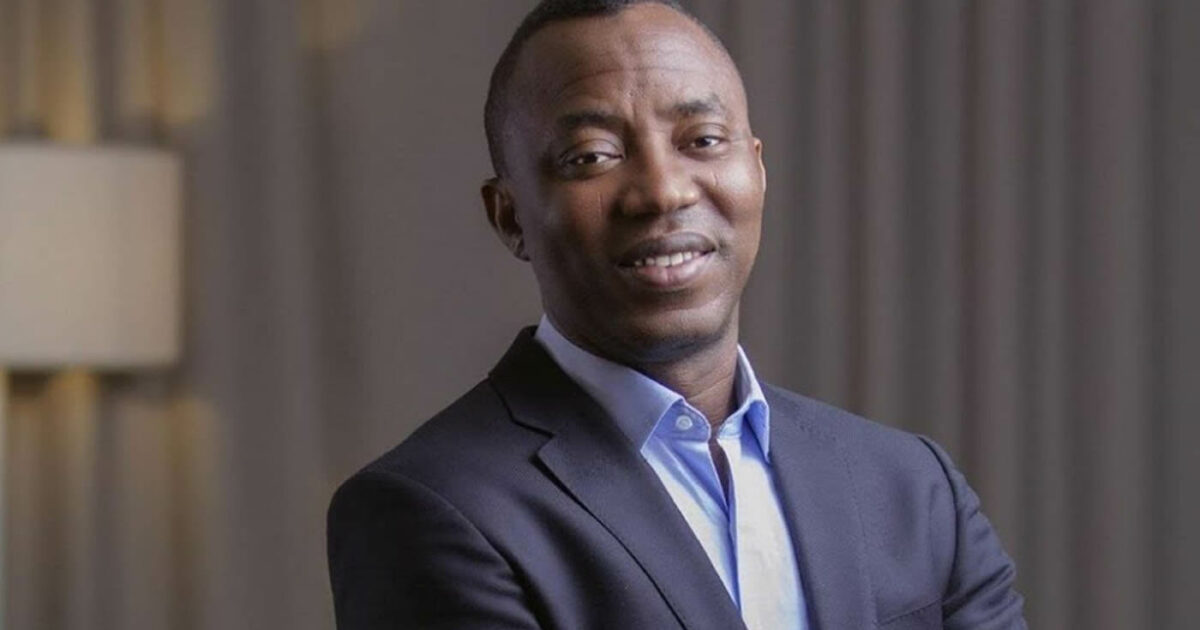
Galadima entered the race with experience in public service. He was the Executive Secretary of the Petroleum Technology Development Fund (PTDF). In May, he won the APC governorship nomination. The results showed he secured 414,444 votes, ahead of Abdulrazak Namdas and Abdulrahman Haske. Several aspirants backed him, while Haske challenged the process. These details are important because they highlight the support behind his nomination and the disagreements that followed. His rise also showed how dismissing him early was a mistake. Those who thought he was too unknown to be a serious contender now have to explain how this so-called insignificant candidate won the party’s ticket.
There is a key lesson here about recognition in politics. A person might be unfamiliar in a specific circle but not unknown in public life. National service does not lose its value just because it is not often discussed by local political commentators. Calling someone an “Abuja candidate” might sound catchy, but it does not answer questions about his skills or his connection to the people he wants to lead. The real question is whether Galadima can turn his experience into effective leadership for Adamawa. That needs careful consideration. Whether critics had met him at a political event before is less important.
Meanwhile, the opposition has become more divided. Aishatu Dahiru Ahmed, known as Binani, joined the Nigeria Democratic Congress in May. On 12 September, Haske announced he was leaving the APC and accepting the governorship nomination from the Allied Peoples Movement. These changes create different centers of political ambition outside the ruling party. Every candidate has the right to run, but it is a mistake to treat these separate candidacies as a united force. The ballot does not have a space for “everyone against Galadima.” Votes belong to the candidates people choose, and just having a shared dislike doesn’t mean opponents can add their totals together after the election.
Anyone claiming that Galadima has no chance should explain how votes will be gathered and how one rival will gather enough to beat him. I think that the combination of the APC’s government position and the divided opposition gives Galadima a big advantage. This is my political opinion, not a claim that votes are already in.
Nigeria’s constitutional rules make this important. In a governorship election with two or more candidates, winning means having the most votes and at least a quarter of the votes in two-thirds of the local government areas. A candidate needs wide support but doesn’t necessarily need more votes than all the others combined. Section 179 of the Constitution sets these standards. Imagine a hypothetical election where the leading candidate gets 42 percent, while three opponents get 28, 20, and 10 percent. The opponents together have 58 percent. But none has beaten the candidate with 42 percent, who can still win if he meets the geographical requirement.
Those celebrating division should do the math properly. A simple calculator does not care about political excitement. Nigeria has seen this before. In the 2023 presidential election, Bola Tinubu won about 37 percent of the votes, while Atiku Abubakar and Peter Obi got around 29 and 25 percent, respectively. The ruling party kept the presidency, even though most votes were for other candidates. This does not prove that an opposition alliance would automatically have won, as voters can't just be moved from one politician to another. Some might not support an alliance or might choose not to vote. The key takeaway is that strong support spread among competing candidates can leave the ruling party ahead.
The same caution applies to Adamawa. Haske’s exit cannot honestly be seen as a gift to the APC. He contested within the party and may attract people who would have supported the APC candidate. Other opposition figures also have their own appeal. A serious discussion must recognize this. But the next question is crucial. Will these candidates mainly take votes from Galadima’s potential supporters, or will they also go after voters who are already set against him? Just their existence cannot answer that question. Anyone saying that Galadima has no chance should explain the source of the votes and how one candidate will gather enough to win.
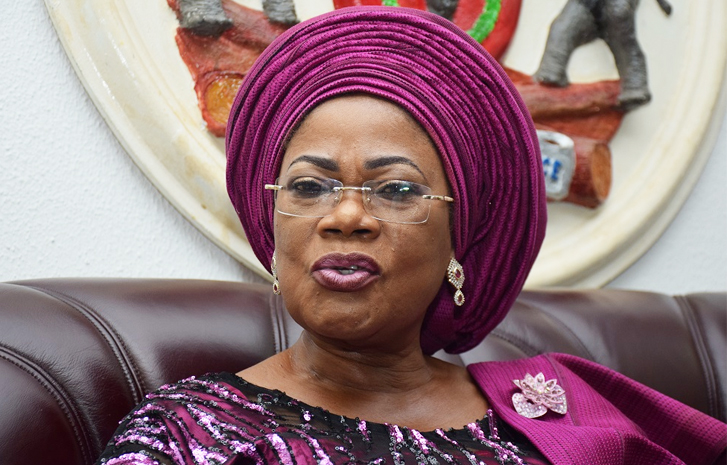
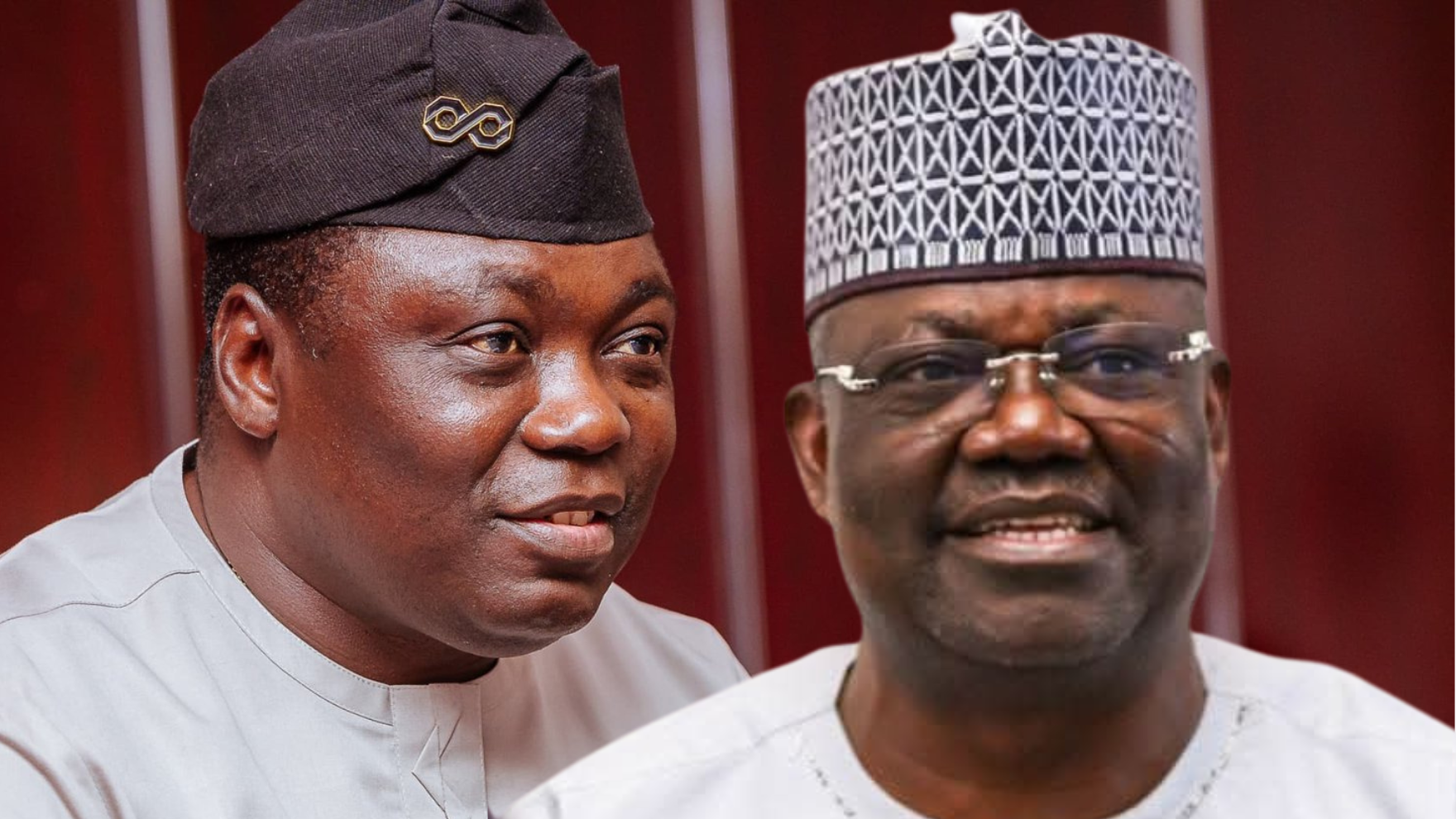
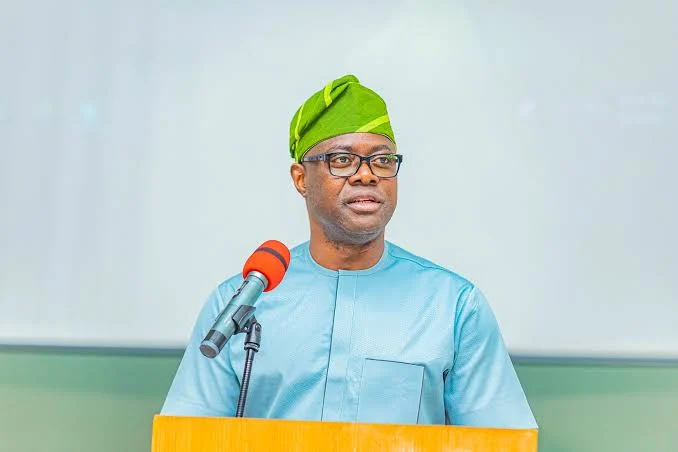
My view is that the APC’s government position and the divided opposition give Galadima a strong edge. This is a political judgment, not a statement about votes being counted.
Being in power allows for maintaining connections across the state and presenting a clear record to voters. It does not mean owning the voters. Also, a governor’s switch does not mean all past supporters will follow him to the new party. Galadima has to earn support, and the APC must handle the disagreements from its larger coalition. Still, a divided opposition over who should take power faces a challenge. Each candidate may think others should step aside. Each may want to keep their ambitions instead of helping a rival. The ruling party can benefit from this divide without needing every opposition voter to switch sides. Adamawa’s political situation does not change this reality. Complexity might even make cooperation harder. Different alliances can support several strong challengers but hinder any single one from being the main alternative. A politically complex environment can still give an advantage to the most united camp.
I have heard the arguments, and I believe the APC is well positioned to choose Adamawa’s next governor. I expect that governor to be Ahmed Galadima Aminu. Those who disagree need to explain how their separate ambitions will add up to one winning total. Until they do, celebrating the opposition’s division looks less like a strategy and more like a misunderstanding of the contest they aim to win.
This is why discussions about Galadima’s qualifications deserve more attention than they sometimes get. He holds a bachelor’s degree in agriculture and a master’s degree in banking and finance. His previous leadership of the PTDF adds administrative experience to the discussion of his suitability. It is true that qualifications do not guarantee good governance, but they are relevant when considering someone’s readiness for responsibility. Critics can question his decisions and proposals. They weaken their own case when they dismiss his professional experience as irrelevant, just because he is a candidate they oppose.
Now, let’s look at the video clip used to mock him. Two questions need to be kept apart. Was the video altered or misleading? And does what is shown prove that Galadima cannot govern? The first requires access to the original recording and a proper comparison. Repeating an allegation does not make it true, whether from opponents or supporters. The second claim can be challenged directly. Even a real slip while giving a prepared speech does not show that a person cannot read, let alone manage a state. Public speaking should be scrutinized, but a minor mistake cannot justly lead to a judgment on a career. If the clip was tampered with, those responsible should explain. If it wasn’t, critics still need to provide a convincing argument about its importance. Mockery cannot replace solid evidence.
There might also be a political cost to this focus. Opponents who spend too much time on Galadima may end up making him the main figure in the race. People who didn’t know him might become curious about his background. Others may see the mockery as unfair and become more open to his message. While this attention does not guarantee votes, it can give him an unexpected opportunity. A campaign cannot logically say a candidate is unimportant while making him the main topic. The same goes for trying to reduce the election to ethnic or religious lines. Adamawa’s diversity requires candidates to build trust beyond their immediate groups. Citizens deserve to know how they will be governed, not be invited to distrust their neighbors. Galadima’s best response is to show that his ambition includes people who don’t share his background or political ties.
I support him because I believe his administrative experience is important and that the current election situation favors him. His opponents can challenge this view. But they must do more than count how many candidates are against him and claim victory. The APC still has work ahead. Galadima must connect his experience to the everyday issues of the voters and convince them he can deliver. I have heard the arguments, and my conclusion is that the APC is in a good position to choose Adamawa’s next governor. I expect that governor to be Ahmed Galadima Aminu. Those who disagree need to explain how their separate ambitions will turn into one winning total. Until they do, celebrating the fragmentation of the opposition feels more like a misunderstanding of the contest they aim to win.

Drop your comment
No comments yet — be the first to drop the gist 👇