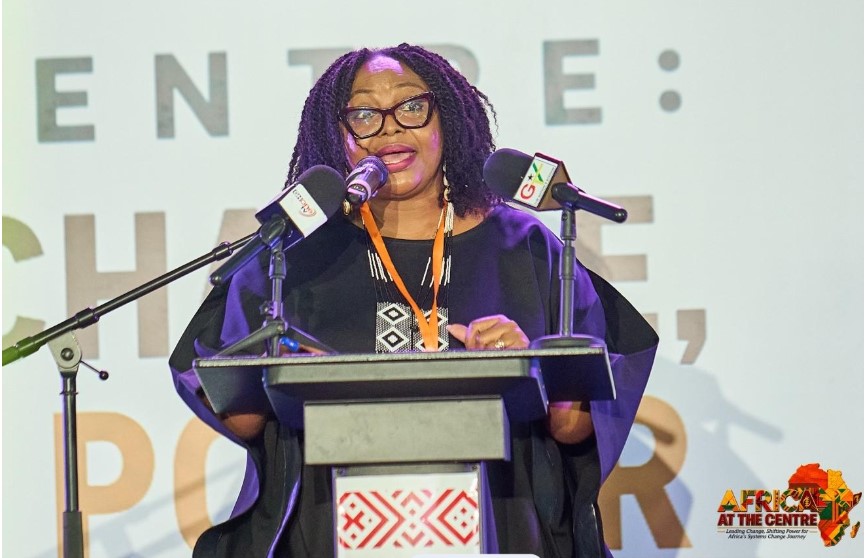
When a donor offered money to a group in Kenya, it was a chance to reach more communities. For a small group needing funds, this seemed like an easy choice. But it was not.
The donor wanted the group to expand fast. The group said the communities they were already in need deeper support before moving on. So they made a hard choice.
"They respectfully denied the funding," said Nafissatou Sene, a senior manager at African Collaborative. This organization raises funds for African groups working in health, education, gender justice, agriculture, and livelihoods.
Sene did not name the Kenyan group because she did not have permission. She mentioned that their budget was small and they needed money. This made the decision even harder, but in the end, they felt they had no choice.
"We’re not going to take anything just because it comes our way," Sene said about the group’s stance.
This kind of decision-making is what Nana Asantewa Afadzinu, the executive director of the West Africa Civil Society Institute, believes has often been lost in Africa’s development.
"For too long we’ve had development done to us," Afadzinu said. "We’ve not been in the driving seats of deciding what the solutions should be to our own problems and resourcing them."
This story shows the kind of power African civil society organizations want. They want to decide what their communities need and make sure donors change their requirements to fit the communities’ needs, not just their own.
The three-day conference called “Africa at the Centre: Leading Change, Shifting Power” brought together over 200 civil society leaders, funders, policymakers, and development experts from 30 countries, including Nigeria. Organizers said decades of foreign aid have given international donors too much control over which African issues get funding, how projects are set up, and how success is measured. They argue this has led to many failed projects, lack of accountability, and corruption.
Now that traditional foreign aid from rich countries is reducing, they are calling for African organizations and communities to take charge of development funding. They want donors to listen more. They also aim to raise more funds from Africans and African governments, and to reduce the money lost to corruption and debt payments.
One participant at the conference, Oyebisi Babatunde Oyebisi, who is the executive director of the Nigeria Network of NGOs, said the fight over development funds is really about who sets the terms.
Mr Oyebisi explained that the current relationship between African organizations and traditional donors is like a one-sided deal. Recipients often get only part of what they need, with conditions set by the donor. Further support often comes as loans from places like the World Bank instead of grants.
In the last two years, some donor countries that used to give support have pulled back. They argue that recipient countries have become too reliant on them. They are now steering funds toward governments instead of NGOs.
"It’s going to be a long walk to freedom," Oyebisi said. "It will require a whole-of-systems, a whole-of-sector approach."
He pointed to the US cutting assistance as a clear example of what could happen. The Trump administration ended 60 years of USAID support to Nigeria in January 2025. This closed an agency that had given $930.2 million to Nigeria in 2024 alone, according to a review by Nigeria’s Development Research and Projects Center. From 2020 to 2024, USAID had given $2.54 billion for Nigeria’s humanitarian response and over $2.8 billion for its health sector.
These cuts have affected Nigeria’s civil society, Mr Oyebisi said. Jobs have been lost, and many nonprofits that depended on this funding may close by mid-2027 as their funds run out. Communities that relied on donor-funded nonprofits for services like HIV prevention, clean water, schools, and clinics are already feeling the impact. This is especially true in areas like Borno state, where the aid cuts have worsened the humanitarian crisis.
"We needed reforms of the aid architecture," Mr Oyebisi said. "We were over-dependent on that too much. We weren’t expecting a major change in the aid structure that has been in place since the ‘70s." He stressed the need to rethink this structure so people do not suffer because of decisions made by the United Nations or donor countries.
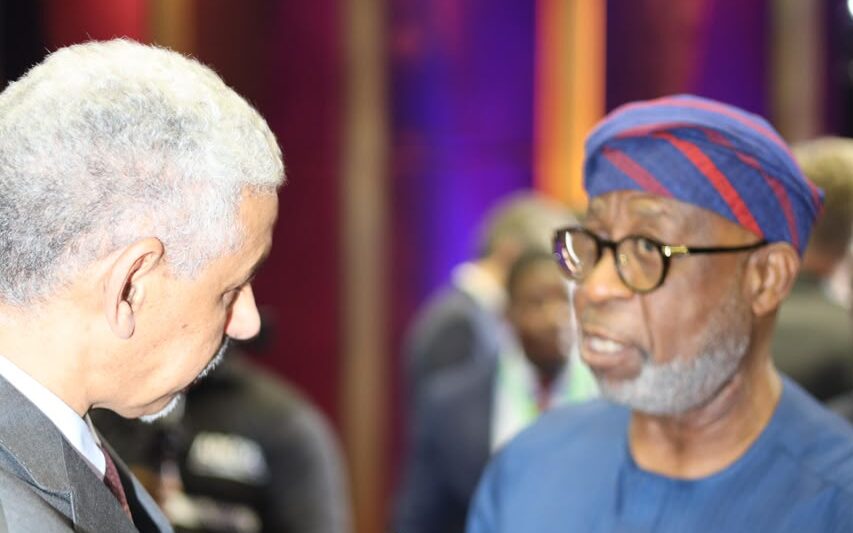
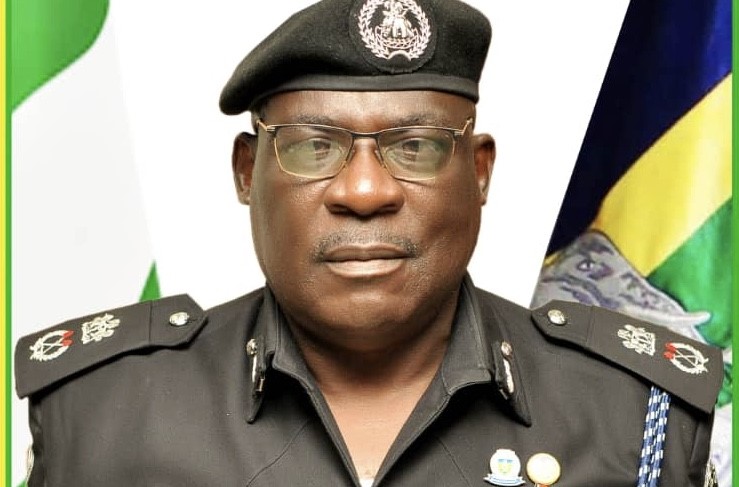
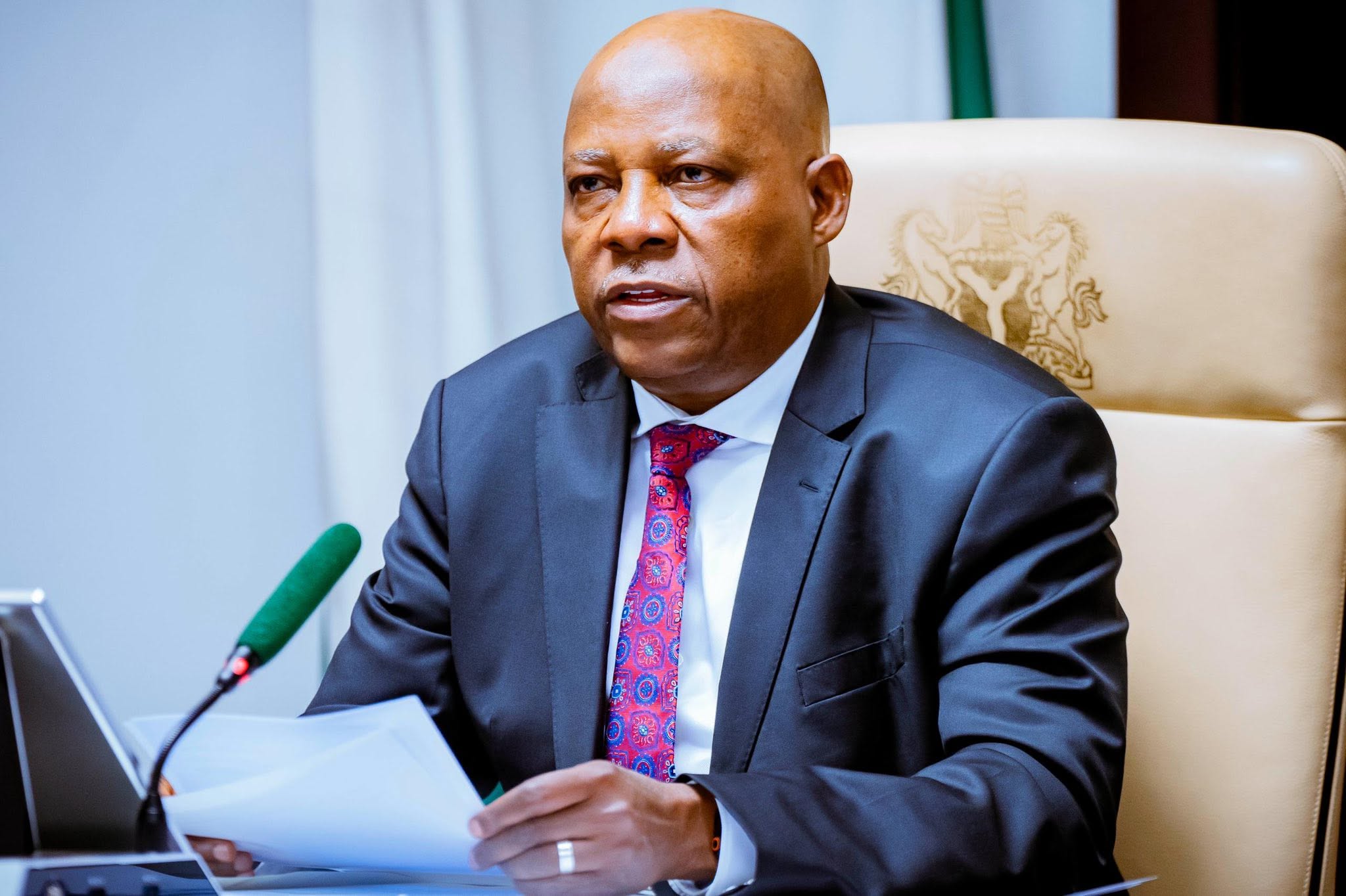
He does not want to see aid return to what it was before 2025. Any new arrangement should consider lessons from the past and past promises made by donor countries. Many African leaders, he added, no longer want aid; they want business and jobs. This means African governments and institutions also need to rely more on their own revenue and not just on foreign assistance.
Putting more money in African hands comes with its own risks, Mr Oyebisi noted. Corruption and financial misconduct are concerns. He said African governments need to fix their tax systems and stop financial misconduct, while civil society should keep tracking the money and demanding results.
"We need active citizens," he said. In Nigeria, about 28 to 29 of the country’s 36 states now publish their budgets. But just publishing a budget is not enough. Citizens must track who the contractor is, where a road or clinic is being built, and if it gets finished, with a way to report issues and get responses.
That kind of oversight is why Mr Oyebisi is worried about donor funding for civil society disappearing. Governments cannot be expected to fund the groups that monitor them. Thus, independent civil society groups need resources that do not come from the governments they are watching.
"You don’t expect my government to give me money to monitor it," he said. "So you need some neutral support, and that’s why it’s really a big challenge when those resources are pulled."
Afadzinu from the West African Civil Society Institute said changing the system is not just about replacing foreign money. It also means changing who decides how that money is used. She wants to see donors offer more flexible funding that helps African organizations build themselves up rather than always moving from one donor-designed project to another.
"Don’t help us to keep depending on you," Afadzinu said. "Help us to become stronger."
African countries and organizations must also find more of their money, she said, through local giving, support from the diaspora, businesses, and social enterprises.
Sene said that African organizations might already have more power with their donors than they think. One group saying no to money might not make much difference. But many groups taking the same stance could force donors to listen.
"We cannot give grants or funds to people who refuse to take it from us," Sene said. "If everybody said no, what are we going to do with the money?"
At least one international funder at the meeting is already on board. Tendisai Chigwedere from the US-based William and Flora Hewlett Foundation, which supported the meeting financially, said philanthropy has had a lot of power because it controls the money. She said Hewlett is listening to local groups, giving them more control through long-term partnerships and flexible funding. The Hewlett Foundation noted it awarded $631 million in grants in 2024, with nearly three-quarters as flexible funding.
"We don’t want you to be boxed into a project," Chigwedere said. "Allowing you to have general operating support helps you build the institution, build the vision, and work on the agenda… to do the things you need to do."
There is already significant work on new models. Wanjiru Kanyiha, network coordinator of the Global Public Investment Network, is promoting a plan where African countries would contribute to a common pool based on their ability and take part in deciding how the money is spent. The idea is summed up in three phrases: all contribute, all benefit, all decide.
In this setup, a country with fewer resources would not need to contribute as much as a wealthier one but would still have a voice and could get more based on need. Supporters hope to have governments working on one or two pilot projects by the end of 2028.
After the three days in Accra, the West African Civil Society Institute said it will help coordinate follow-ups and assist participants in developing ideas that came from the meeting.
"Redistributing power is not about reversing hierarchies," Charles Vandyck, the Institute’s head of capacity development, wrote in a post-conference reflection. "It is about building systems where power is shared, accountability is mutual, and agency is respected."
Drop your comment
No comments yet — be the first to drop the gist 👇