Across Africa, many communities struggle to get reliable drinking water. Those facing these problems often have little say in how to solve them.
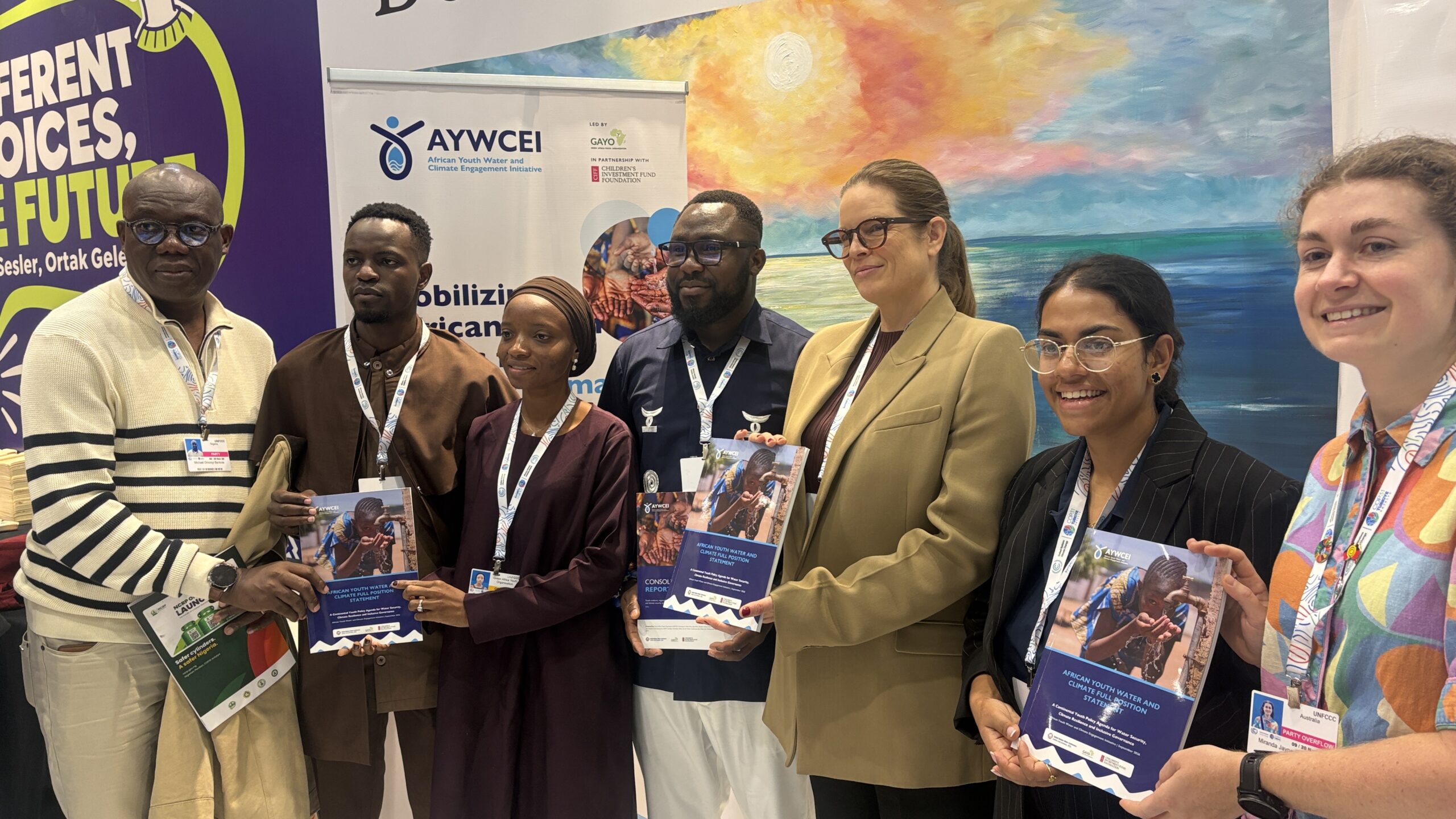
An initiative by the Green Africa Youth Organisation (GAYO), with support from the Children’s Investment Fund Foundation (CIFF), aims to change this. They want to document young people's experiences with water shortages and include their solutions in policy talks.
This project is called the African Youth Water and Climate Engagement Initiative. It has reached 51 African countries, with over 1,200 young people taking part in a survey and more than 900 others joining discussions across the continent’s five regions.
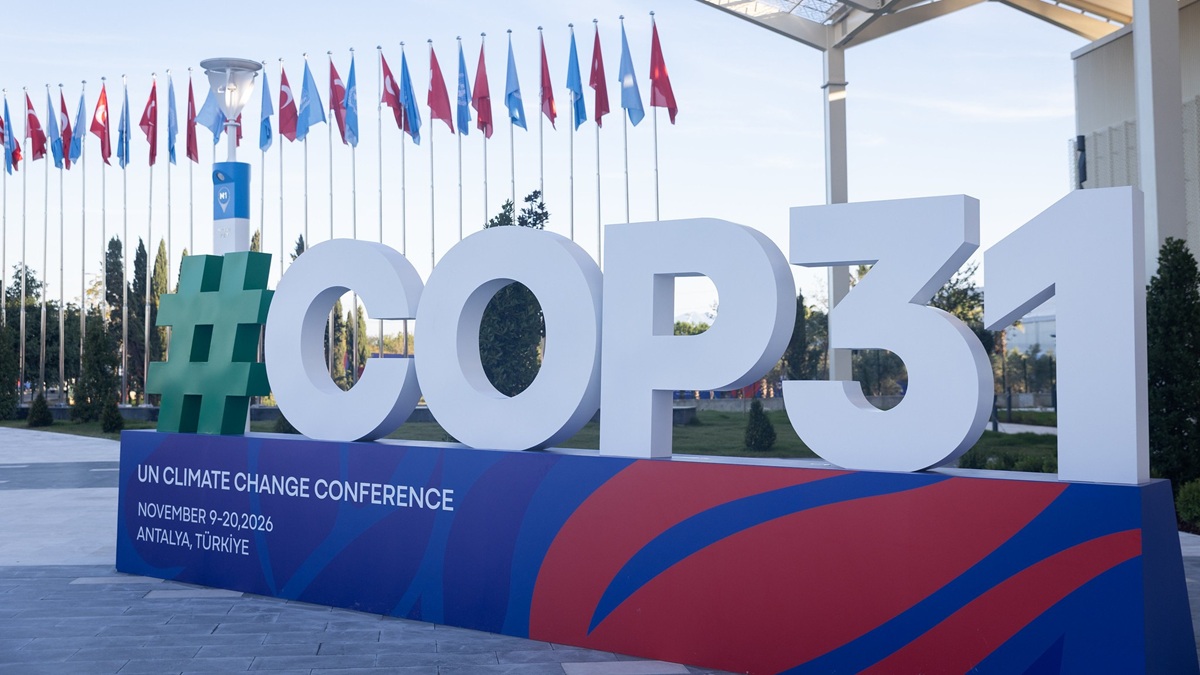
Baliqees Salaudeen-Ibrahim, GAYO’s Climate Director, shared this in an interview with PREMIUM TIMES at the 31st United Nations Climate Change Conference (COP31) in Antalya, Türkiye.
She explained that the research looks at how water issues impact young people in their communities and what solutions they are developing. "What we’re trying to understand is what the current water challenges are on the continent of Africa and how young people are responding to this problem,” Ms Salaudeen-Ibrahim said.
The consultations confirmed worries from the survey. They also showed community-based projects led by young people. GAYO plans to identify successful practices from the research, gather support for them, and see how these successful projects can be copied in other communities.
The results will be shared at the UN Water Conference in Abu Dhabi in December.
Moving from participation to influence
This initiative comes as many people in Africa still struggle to get safe drinking water.
The 2025 WHO/UNICEF Joint Monitoring Programme report found that only 32 percent of people in sub-Saharan Africa had access to safely managed drinking water in 2024. Rural areas faced the worst situation, with only 16 percent having access, compared to 52 percent in cities.
In Nigeria, the 2024 Demographic and Health Survey found that 71 percent of the population had at least basic drinking water services. Yet, only 38 percent of households had water on their premises, and 66 percent had enough water when they needed it.
For Ms Salaudeen-Ibrahim, solving this issue needs more than just getting young people involved in climate talks. Governments must also work on real solutions.
She mentioned that the research was done before COP31 so young people's findings and ideas could be presented to the conference leaders.
Collaboration with government bodies could help young people overcome obstacles, reach communities, and hold public officials responsible for their water-related promises.
The initiative also asks if community-focused water solutions can attract the funding needed to grow their impact. Ms Salaudeen-Ibrahim said GAYO wants to find projects that are bankable, scalable, and replicable to gather resources for their execution.
The funding challenge
Kate Hampton, CEO of CIFF, said the foundation wants to bring the experiences and ideas of children and young people to those who make policies.
In an interview with PREMIUM TIMES, Ms Hampton said climate change is impacting children's lives through food security, water access, health, and education.
She stated that the foundation is teaming up with groups like GAYO to connect climate change with water issues. They want to make sure young people's experiences and ideas shape policy talks.
Ms Hampton also said young people are not just participants in climate solutions; they are actually contributors. "They have actions that they’re taking in their communities, so we’re trying to show how young people are driving solutions, not just talking about solutions,” she said.
She mentioned looking ahead to the next climate conference in Ethiopia, where they hope young people across Africa will have more chances to influence policy.
While this partnership gives young people a platform for their ideas, the amount of funding available for the projects and how resources are shared will determine how impactful the initiative is.
Government actions
In Nigeria, issues with water access are pressing as state governments try to improve public water systems amid rising urban populations and strain on existing facilities.
Bankole Michael, Director of Climate Change and Environmental Planning at the Lagos State Ministry of Environment and Water Resources, told PREMIUM TIMES that the state government is fixing waterworks and teaming up with development partners and private organizations to enhance water supply and manage wastewater better.
Mr Michael mentioned the rehab of water infrastructure as part of efforts to increase access to water. He also noted that the Lagos State Water Regulatory Commission is working with water providers to improve oversight in the sector.
He acknowledged that problems like population growth and vandalism still exist but said the state is working to boost water access for residents. "We are on the road to having solutions to the problems that we have,” he said.
Mr Michael also spoke about partnerships with WaterAid and other private organizations to tackle water and wastewater issues. But he did not provide specific numbers on the funding for these projects or how many residents would benefit.
Without these details, it is hard to understand how significant the efforts are or how quickly they can improve access to reliable water.
From evidence to action
The African Youth Water and Climate Engagement Initiative aims to highlight community-based solutions before the UN Water Conference, set for December 8 to 10 in Abu Dhabi.
At this conference, governments, development organizations, and other stakeholders will meet to speed up progress toward Sustainable Development Goal 6, which aims to ensure access to water and sanitation for all.
For African communities dealing with water shortages, the real value of these discussions will depend on whether the evidence collected leads to real actions.

Drop your comment
No comments yet — be the first to drop the gist 👇