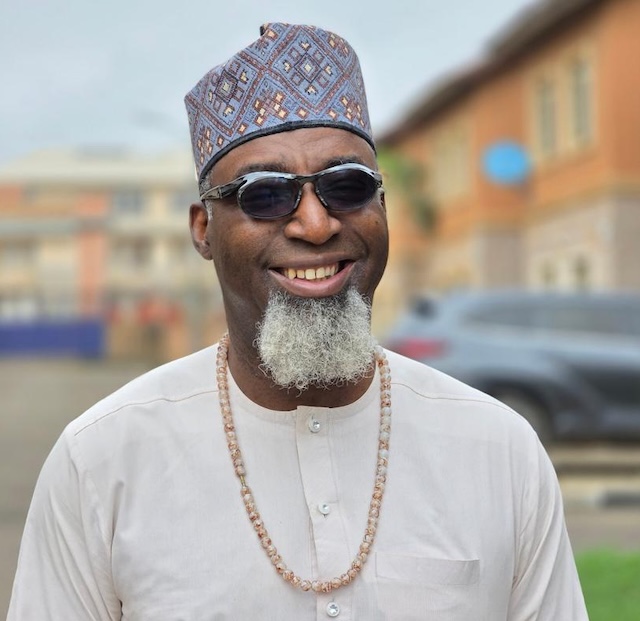
The way Africans express their identity today needs to cross continents. This has always been the case. The DNA of all humans traces back to African roots. Afrilition offers a view of being African based on self-identification, not just genetics or official papers. This book focuses on engaging those who want to embrace their African identity, including those born on the continent with a mindset that leans towards white supremacy. This is not surprising because their upbringing shows Africa as a contrast to what they see as European or Western success. Afrilition is for those who choose to identify as African around the world.
In the Americas, there are many people with African roots, especially in the Caribbean, South America, and North America. The same goes for Europe and increasingly for Asia. Africans worldwide have different experiences but share a strong commitment to a true Afrocentric future. We often forget about the new African world that existed, even after the end of the Trans-Atlantic slave trade. This includes the return of formerly enslaved people who fought alongside the British against US colonialists.
Many of these individuals settled in Nova Scotia, Canada, particularly in Halifax. They were joined by the Maroons from Jamaica, who had resisted the British. Some of these Maroons were then sent to Sierra Leone, which was part of a poorly planned return effort. There were also those who returned from Bahia, Brazil, after the Imale uprising, and they mixed with returnees from Cuba.
The stories of African Americans supporting Abyssinia during the First World War are important. They not only fought but also raised funds to defend Abyssinia. Many Caribbean people, after gaining freedom, were sent to West Africa to replace European missionaries who had failed. These missionaries often struggled to survive and sometimes died without support. All of this happened while Edward Wilmot Blyden was writing about the African character as a pan-African idea. He was from St Thomas in the Caribbean but was educated in Freetown, Sierra Leone, a hub for African education. The African Diaspora has played a significant role over generations despite doubts about its importance or perceived complicity in the enslavement of their own people.
One interesting aspect of the Diaspora is literacy and how much the African world has engaged with the idea that literacy, as defined by Western education, is key to change. Cuba and Barbados are two countries with the highest literacy rates in the world, both born from the harsh realities of the trans-Atlantic slave trade. Barbados stands out as a majority African descendant nation. When emancipation happened in 1838, literacy was below 10 percent.
The brutality of slavery in Barbados was notorious. This harsh system influenced the Southern United States, aiming to crush any spirit of rebellion. Most freed people were field workers denied education. Even after emancipation, white plantation owners fought against widespread literacy. Today, the descendants of those people rank as the most literate in the world, alongside others.
African descendants in the US faced even more resistance during Reconstruction. Despite a stubborn government and society, they built over 100 private universities and thousands of schools. They battled daily stereotypes that wrongly claimed they did not want education or were less intelligent. These accusations do not hold up against real data. In future articles on Afrilition, we will explore the foundation of this issue and the often-overlooked transformation of literacy in Nigeria.
Afrilition shows the African world a path to inspire our better selves and unite our efforts to achieve our dreams. It brings clarity of purpose to help us avoid distractions and make the most of our talents. The African Diaspora's rise from slavery to a strong global presence highlights their role as key partners in Afrilition’s journey towards African excellence.



Drop your comment
No comments yet — be the first to drop the gist 👇