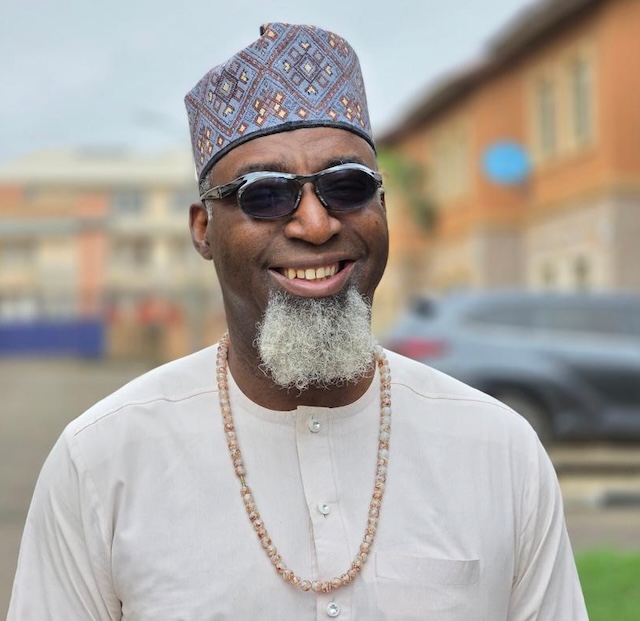
Afrilition: 21st-century African Manifesto focuses on how the African identity is changing. I had a moment of clarity that I wanted to share in this book. This is that ASE (the African system of excellence) is the heart of Àsé for this century. All of this comes from our African identity.
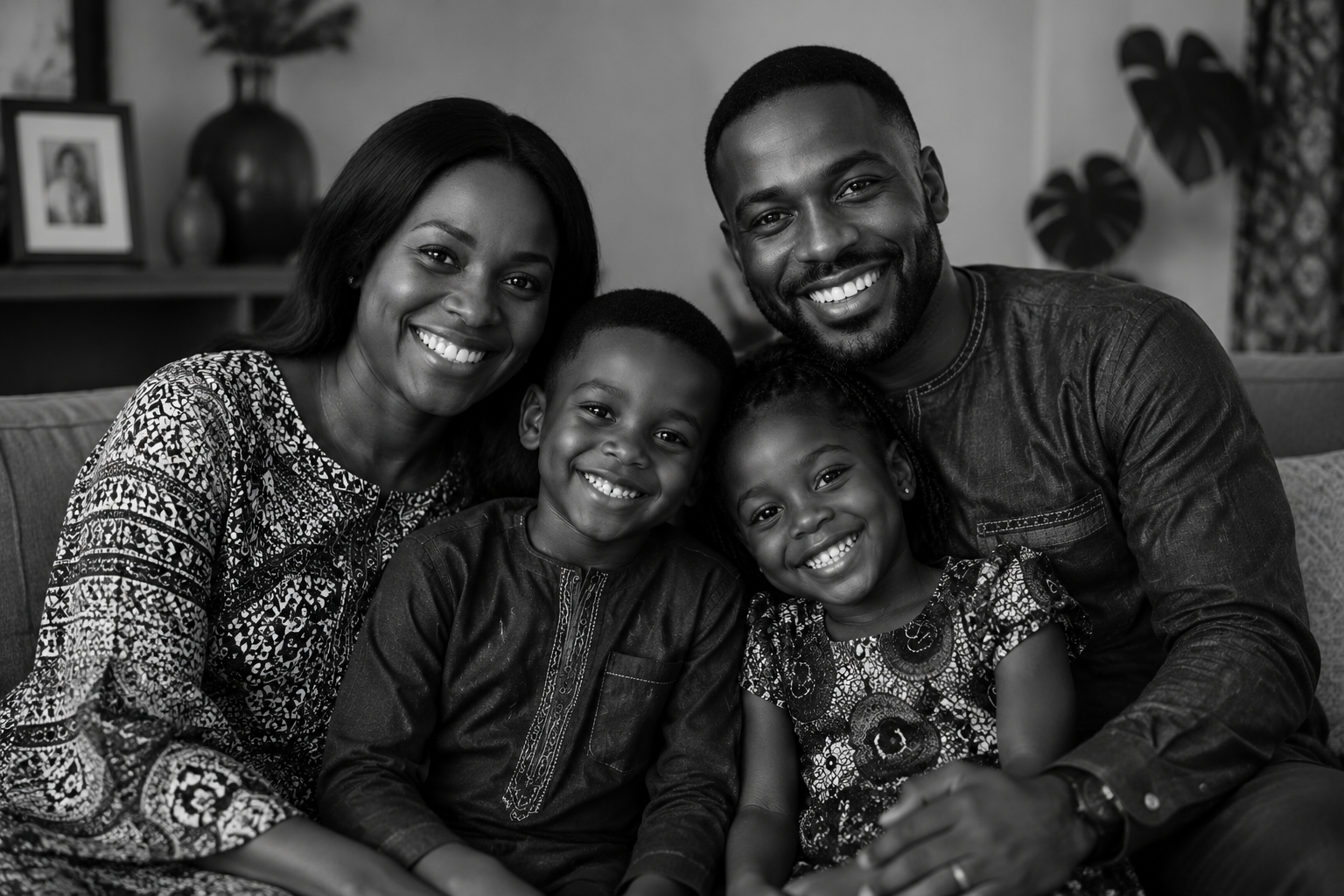
When writing about Africa, two viewpoints are always present in this book. The first is personal, which comes from my family. Our African identity is rich and layered, spanning across Nigeria, Ghana, the Caribbean, Europe, and Asia. In terms of skin color, we represent shades like toasted vanilla, caramel, terra cotta, milk chocolate, dark chocolate, and burnished ebony.
Shifting focus to Africanness instead of skin tones is key to understanding identity. It shows that Africans are everywhere in the world, emphasizing that humanity itself is African. Identity cannot be forced on anyone; it must be embraced willingly. If not, it becomes just an official label without meaning.
Afrilition is not only for my grandchildren and their future. It is also for those Africans who choose to connect with their roots. They must embrace the sacrifice and service needed for Africa to grow and thrive. This conversation goes beyond blackness, as that is a limited way to view identity.
Beyond Reaction to Oppression
Afrilition aims for a Pan-African world that is more than just a response to oppression. It should create a system for those who want to build an alternative to a world filled with artificial scarcity. This current world benefits a few, while many are left struggling.
Choosing an African world allows for different views and the healthy disagreements needed to find new ways to interact. Afrilition does not demand African unity but sees cooperation as important for enlightened self-interest. There has never been just one Africa. Even before colonialism, our nations were diverse. Today, we still face the problem of viewing African countries as mere tribes. Many countries have multiple nations. Recognizing and respecting these nations, even across borders, is essential for future stability.
The ideas of Edward Wilmot Blyden, who came from St Thomas in the Caribbean, show that studying Africa can happen anywhere. He worked in Liberia and Nigeria in the mid-1800s and understood that the African identity is global. Afrilition pushes this idea further. It should be more than just reacting to oppression. It must create a way for people to build an alternative to a world of scarcity.
Generosity in Africa
It is encouraging to see how generous many so-called poor African countries are. In 2026, eight African nations ranked among the top ten in generosity. No European or OECD countries made the list. Africans give 1.6 percent of their income, compared to the global average of 1 percent. Nigeria leads with 2.8 percent of its income given, more than double the global average. This shows the potential for a future based on abundance and mutual support.
Afrilition is about the future: a choice to work towards our dreams or to react against undesirable outcomes. It is about paving the way for future generations towards real African interdependence and uniqueness. A future where resilience and adaptability are key, and where material wealth doesn't overshadow collective well-being.
Afrilition resonates with the leadership of PM Mia Motley from Barbados. She understands how important a Pan-African world is for boosting cooperation among African nations and those in CARICOM. In the broader African Diaspora, there are many who are skeptical about connecting with Africa. This is understandable, given the nearly 2 billion people with different histories and experiences that shape their views.
Afrilition is for those who are willing to make a choice. Many Africans have been influenced by ideas of white supremacy, leading them to seek validation from those who look down on African identity. Also, many are distracted from building a better future by past wounds that others keep reopening.
Afrilition is about the future: a choice to build towards our dreams or react against the pursuing nightmare. It is about providing future generations a path to genuine African interdependence. A future built on resilience and collective well-being. Afrilition is about shared prosperity for future generations and the unique identity of African civilization in the 21st century.

Drop your comment
No comments yet — be the first to drop the gist 👇