
The governments of Anambra, Ebonyi, and Enugu states in the South-east have activated measures to stop the spread of Ebola Virus Disease (EVD) in their areas.
They shared this information in separate interviews while responding to a survey from the News Agency of Nigeria (NAN) about actions taken to prevent Ebola in the region.
NAN reported that the World Health Organization (WHO) and the Nigeria Centre for Disease Control (NCDC) identified some states in Nigeria as high-risk areas due to their busy trade routes, airports, and borders.
The NCDC is urging states with international airports and heavy inter-state travel to set up Emergency Operation Centres (EOC).
What Anambra is doing about Ebola
The Anambra State Government stated that even though it is not classified as high-risk by the NCDC, the government is still cautious because of its closeness to Enugu, which is high-risk.
The Anambra State Commissioner for Health, Afam Obidike, said the state has improved surveillance systems across health facilities, borders, and communities. Health workers are on alert to quickly spot and respond to any suspected cases.
He mentioned that emergency response teams have been mobilized and public awareness campaigns will soon start to educate people about prevention methods.
Obidike urged residents to practice good hygiene, avoid unnecessary contact with sick individuals, and report any suspected symptoms to the nearest health facility.
He assured the public that the state government is collaborating with health agencies to keep the state free from the disease. He added that Governor Charles Soludo’s administration in Anambra is dedicated to protecting the health of residents and will continue to monitor the situation while applying all recommended preventive measures against Ebola.
Enugu State
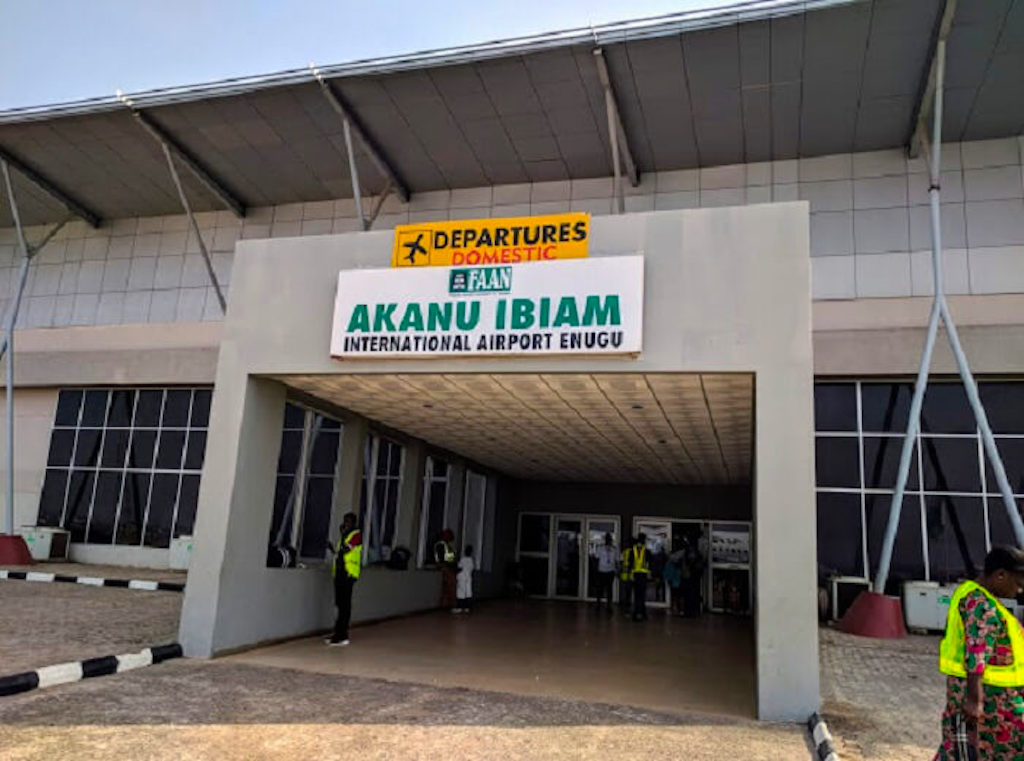
The Enugu State Government has also activated the Enugu State Public Health Emergency Operation Centre (EOC) for Ebola Prevention.
The state’s Commissioner for Health, George Ugwu, told NAN that the EOC includes key health stakeholders and partners.
Ugwu noted that during the first meeting on Monday, leaders from various parts of the EOC were appointed and inaugurated.
He mentioned that the EOC has developed a management structure for responding to incidents in the state.
The commissioner said the EOC identified important response areas like surveillance, screening at entry points, risk communication, and training of health workers.


He added that the centre plans to set up an isolation facility at the Enugu State University Teaching Hospital (ESUTH) Parklane, Enugu.
“There is no need to panic because the disease is not in the country. We are creating awareness and increasing alertness about the disease,” he said.
“We want our people to take health, hygiene, and cleanliness seriously and to visit health facilities instead of self-medicating if they feel sick. Our health-conscious governor, Peter Mbah, is focused on ensuring that the EOC, the health system, and residents are ready to prevent the disease.
The state Ministry of Health will do everything possible to protect residents,” he assured.
Ugwu noted that the centre will work with officials at various entry points in the state to ensure smooth operations. The symptoms of the virus include fever, fatigue, muscle pain, headache, sore throat, vomiting, diarrhea, rash, bleeding, and shock.
Ebonyi State
In Ebonyi, the Commissioner for Health, Moses Ekuma, said there are no reported cases of Ebola in the state.
Ekuma stated that Ebonyi is ready to prevent any Ebola outbreak. He explained that the main causes of Ebola are eating antelope, fruit bats, apes, and monkeys.
He warned the people to stop eating these animals unless they are certified by veterinary doctors.
The commissioner also listed symptoms of Ebola such as fever, sore throat, weakness, fatigue, diarrhea, vomiting, muscle aches, and loss of appetite.
He encouraged Ebonyi residents to avoid direct contact with the blood and fluids of an infected person, maintain personal hygiene, avoid sexual contact with an infected person, ensure safe burial practices for anyone who died from Ebola, and use government-approved vaccines.
Ekuma stated that awareness has been raised among Ebonyi residents to report any suspected Ebola cases.
Uchenna Nelson, the chief medical advisory committee (CMAC) at the Alex Ekwueme Federal University Teaching Hospital, Abakaliki, said there have been no recorded cases of Ebola at the hospital. He expressed high readiness to handle any possible infection.
Also, a resident of Abakaliki, Okey Sandra, mentioned that she has not heard of any Ebola cases in Ebonyi. She said her family is prepared to protect themselves from any potential outbreak.
In a related comment, Sunday Nweke, a resident of Ikwo, urged the government to increase awareness in rural areas because “prevention is better than cure.”


Drop your comment
No comments yet — be the first to drop the gist 👇