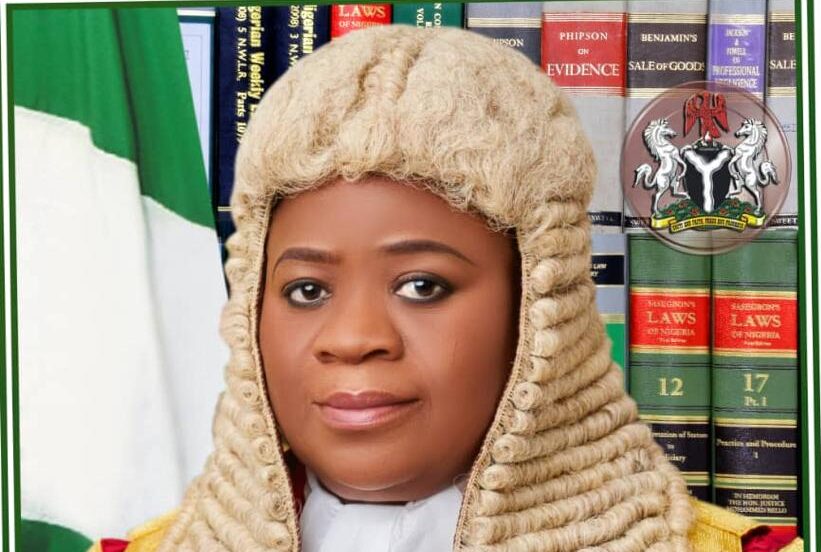
The President of the Court of Appeal, Monica Dongban-Mensem, on Monday, swore in 375 judges for election petitions tribunals across Nigeria for the 2027 general elections.
During the ceremony at the Body of Benchers complex in Abuja, Ms Dongban-Mensem mentioned that 138 of the judges are returning members, while 237 will serve on election petitions tribunals for the first time.
The swearing-in of these judges happened during a three-day workshop to prepare them for their election petition duties. The workshop was themed, “Election Tribunal as a Tool for Political Stability.”
The Court of Appeal, which handles election matters, also launched the Judicial Electoral Manual (JEM) 2026 during the workshop.
This inauguration comes before the presidential and National Assembly elections set for January 16 and the governorship and state Houses of Assembly elections on February 6.
The judges have not yet been assigned to specific tribunals. Candidates unhappy with election results can go to these election petitions tribunals to file their challenges.
The Court of Appeal is the first court to handle presidential election petitions. The president of the Court of Appeal will set up a five-member panel to handle these petitions after the elections.
While appeals against presidential election petitions go to the Supreme Court, appeals for other election disputes go to the Court of Appeal. The Court of Appeal is the final court for National Assembly and state Houses of Assembly disputes, while the Supreme Court is the last stop for governorship disputes.
At the ceremony, the Chief Justice of Nigeria (CJN), Kudirat Kekere-Ekun, pointed out that election petitions tribunals often face pressure in their work. But she urged them to hold their judicial oaths close.
“Be firm where firmness is required, patient where patience is necessary, and impartial in every circumstance. Do not let public expectations distract you from doing justice according to the law,” she said.
She added that ensuring credible elections is not just the judiciary's job. She called on the Independent National Electoral Commission (INEC) and security agencies to play their roles seriously.
Ms Dongban-Mensem also reminded the election petition tribunal judges to view their roles as a call to service.
“Resist any attempts at improper influence, whether through political pressure, inducement, intimidation, personal relationships, or other factors that do not relate to justice,” she said.
She urged them to avoid unnecessary adjournments, stressing that fairness should not be sacrificed for speed.
The Attorney General of the Federation, Lateef Fagbemi, told the judges to perform their duties effectively, free from “sentiment, partisan interests, media scrutiny, social media noise, or the expectations of powerful individuals and groups.”

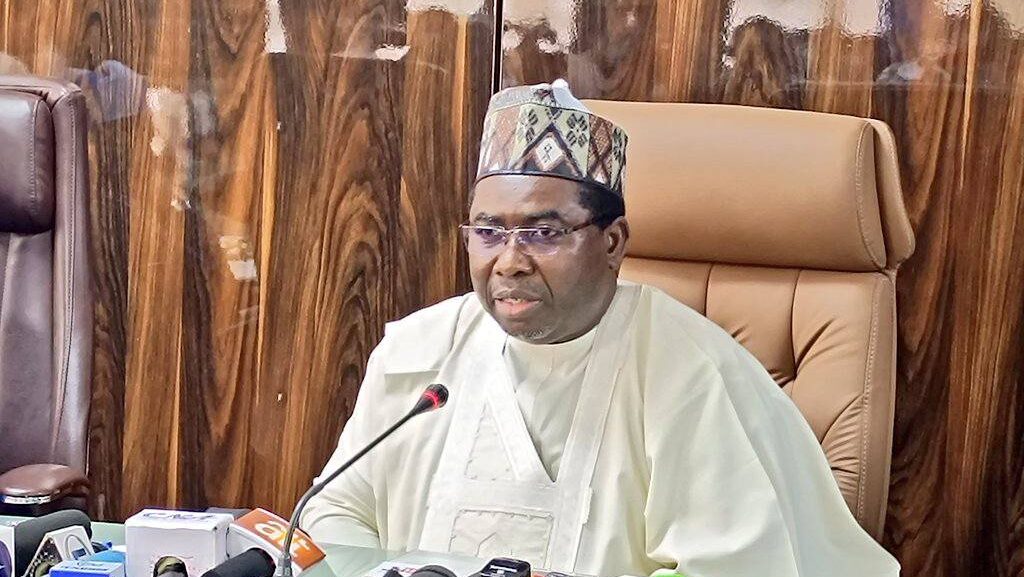
He warned them to avoid mistakes, noting that “it may take another four years to correct.” Mr Fagbemi praised the selection and deployment of court registrars to serve in the various election tribunals.
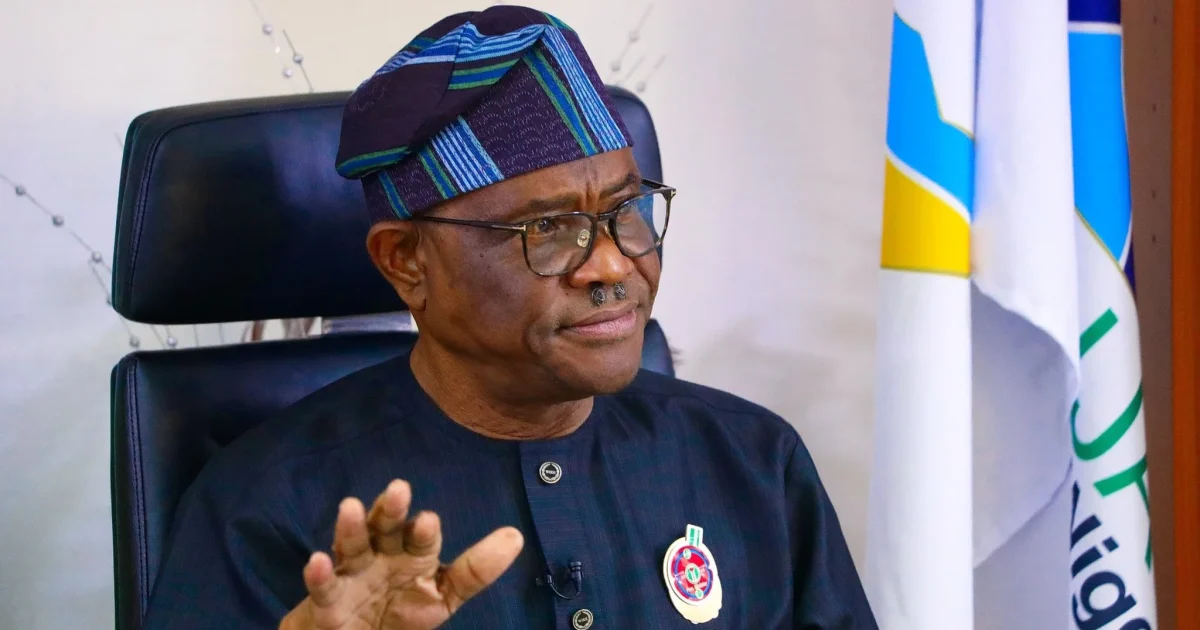
INEC chairperson, Joash Amupitan, urged the election petitions tribunals to balance speed with thoroughness and fairness to help reduce conflict, ensure accountability, and maintain the social contract.
He explained that the election tribunals are not just judges but also an “active engine of national stability and constitutional order.”
The Judicial Electoral Manual 2026 was created to deal with changes made in the Electoral Act, 2026, and the Election Judicial Proceedings Practice Directions, 2026.
It aims to give judges a useful resource for handling the legal and procedural issues around election petitions.
Ms Dongban-Mensem encouraged judges to read the manual and use it wisely. The CJN praised the manual for its innovative features but reminded judges that it should not replace independent judicial thinking.
Mr Amupitan asked the judiciary to pay attention to technological changes that are affecting the voting process. Besides the Bimodal Voter Accreditation System (BVAS) and the INEC Result Viewing Portal (IReV), he mentioned issues like Artificial Intelligence (AI), cloning, deepfake videos, and Foreign Information Manipulation and Interference (FIMI).
He warned election tribunal judges to watch out for “malicious actors” who might try to disrupt the electoral process.
He said, “AI-generated messages impersonating election officials may claim that polling units are moved or cancelled to reduce voter turnout.
“Deepfake audio or video could be released just before polls open, impersonating candidates or officials admitting to fraudulent acts, exploiting the time when official responses are slow to come.
“Cloned videos of Returning Officers falsely declaring election results before official counts may spark unrest.”
He stressed that these digital threats will likely enter the courtrooms.
“Showing digital proof, maintaining the chain of custody, and relying on data from INEC will be crucial to prevent misleading fabrications in court.”



Drop your comment
No comments yet — be the first to drop the gist 👇