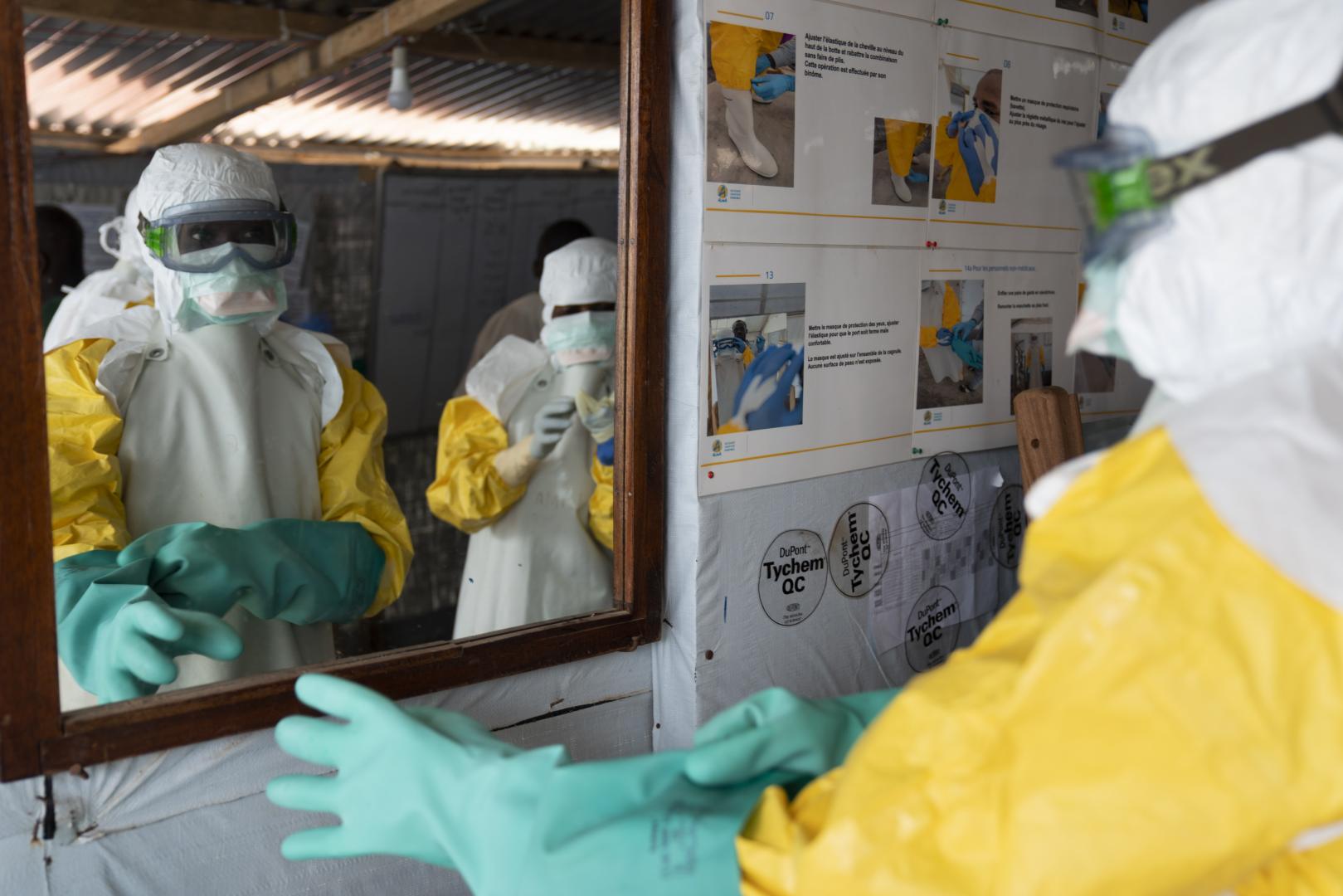
The Democratic Republic of the Congo (DRC) is facing its worst Ebola outbreak ever. The World Health Organisation (WHO) announced this recently.
As of 3 November 2026, DRC has confirmed 10,668 cases and 5,198 deaths. The outbreak has affected 67 health zones across eight provinces. Active transmission is still happening in 51 health zones as of the same date.
The WHO shared this in its Disease Outbreak report published on 6 November. The report also states that there have been 2,881 recoveries so far.
Since the last WHO update on 23 October, the country has reported 964 new confirmed cases, including 511 deaths. The outbreak started on 15 May 2026 and is caused by the Bundibugyo virus. Five countries have reported cases: DRC, France, Kenya, Nigeria and Uganda.
France and Uganda have managed to control their outbreaks since August. But Kenya and Nigeria are still responding to the situation. The latest WHO report shows no new cases in Kenya or Nigeria since 23 October.
WHO says the outbreak in DRC has become the largest Ebola outbreak ever recorded in the country, regardless of the virus type. They are worried about the high number of deaths occurring outside treatment centres, especially among young children. This shows how hard it is to spot cases early and get patients the care they need.
From 21 October, 512 deaths have been reported in DRC. Out of these, 335 happened in communities while 177 were in treatment centres. "The high proportion of deaths occurring in communities, especially among young children, continues to highlight challenges in early case detection and timely access to appropriate care," said WHO.
The outbreak is mostly concentrated in Ituri and North Kivu provinces. These areas have the highest number of cases and deaths. Ituri has recorded 7,485 cases and 3,532 deaths. North Kivu has reported 2,593 cases and 1,422 deaths.
In the three weeks leading up to 3 November, there were 1,463 new confirmed cases in DRC. Most of these infections were in Ituri and North Kivu. In Nigeria, there was one confirmed imported case of Bundibugyo virus disease in the Federal Capital Territory (FCT) on 20 October.

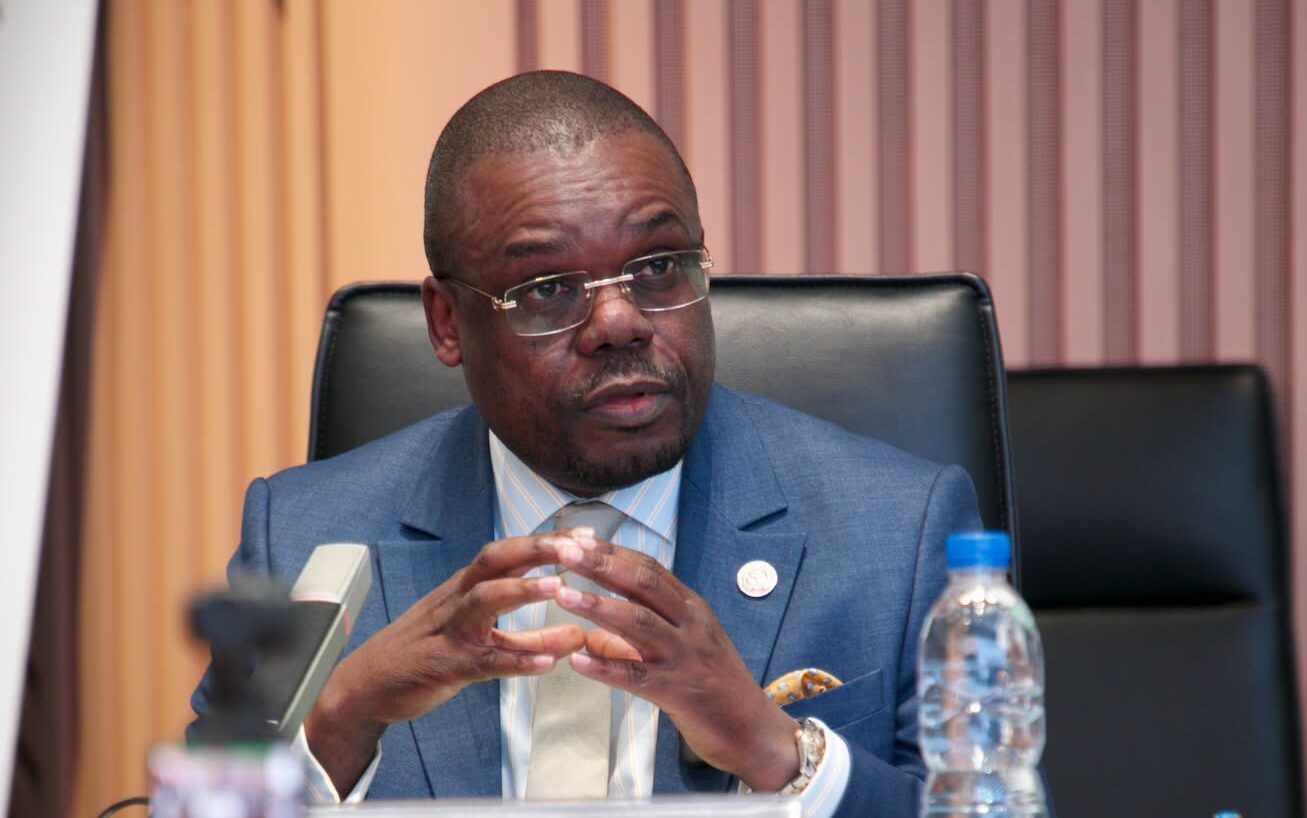
The patient was flown to Switzerland on 26 October and is still in isolation, receiving care in Geneva. As of 3 November, WHO reported that 62 contacts had been identified in Nigeria. Six of these have finished the 21-day follow-up period.
The Nigeria Centre for Disease Control and Prevention (NCDC) confirmed the same in its situation report published on 4 November. It stated that six contacts completed their follow-up, while 56 are still being monitored. No new contacts or symptomatic cases were found in the last 24 hours.
The WHO said Nigerian officials, with help from the WHO and other partners, have stepped up contact tracing, case investigations, and measures to prevent infections. They are also looking into how the infection started and the patient’s travel history.
Bundibugyo virus disease is a serious form of Ebola caused by the Bundibugyo virus. This virus is in the Orthoebolavirus family. It spreads from animals to humans, with fruit bats being the main carriers.
It usually starts when a person comes into contact with the blood or secretions of infected wildlife, like bats and monkeys. After that, it spreads between people through direct contact with blood, secretions, organs, and other body fluids. It can also spread through contaminated surfaces.
The incubation period for the virus is between two to 21 days. People are not infectious until symptoms appear. Early symptoms include fever, fatigue, muscle pain, headache, and sore throat. These can worsen to vomiting, diarrhoea, organ failure, and sometimes bleeding.
The WHO noted that these early symptoms may look like other illnesses, such as malaria. So, testing is important to confirm the diagnosis.
Currently, there are no approved vaccines or specific treatments for Bundibugyo virus disease. The WHO said controlling the outbreak relies on spotting cases early, isolating them, providing medical care, tracing contacts, safe burial practices, and involving the community.


Drop your comment
No comments yet — be the first to drop the gist 👇