A youth-led group, The Minds for Impact (TMI) Initiative, has called on secondary school students to check information before sharing it online. This comes as more young people turn to social media and start creating content.
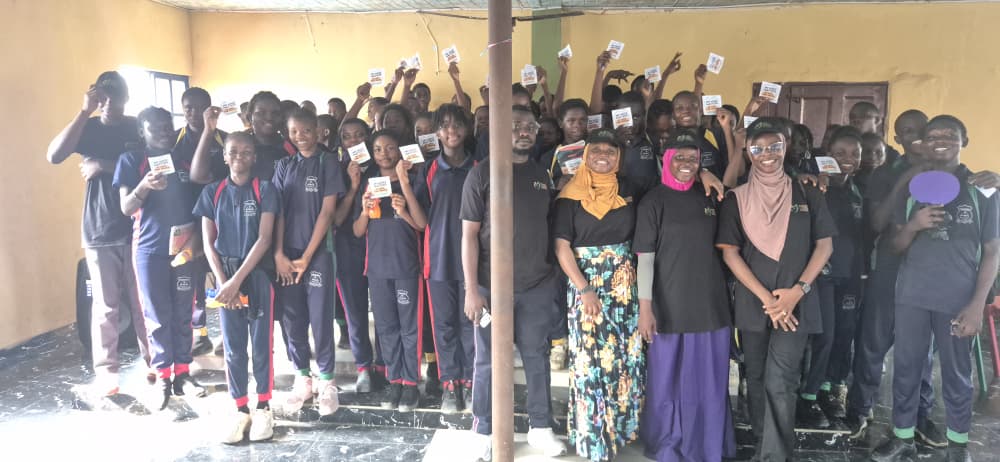
The group made this call during a session at Tudapems Private School in Akute, Ogun State, on Wednesday. More than 160 students from junior to senior secondary school attended the event, where they learned about misinformation, disinformation, and responsible use of social media.
This school event is part of TMI Initiative’s ‘Pause Before You Share’ campaign. The campaign encourages students to verify information and behave responsibly online, especially young users.
During the session, students showed excitement about social media. They talked about following popular figures and creating their own content. Some students even mentioned running their own social media pages.
The facilitators made it clear that they do not want to stop students from using social media or creating content. Instead, they want to help students understand the responsibilities that come with being online.
Mariam Ileyemi, Team Lead of TMI Initiative, encouraged students to be responsible users of social media and advocates for truth. She said, "young people play an important role in preventing the spread of false information."
She also stressed the importance of digital footprints. She reminded the students that what they share online can have long-lasting effects.
Abdullahi Sulaimon, the programme coordinator of the initiative, discussed the benefits of social media. He mentioned that it helps people connect, build relationships, access information, and find job opportunities.
Mr Sulaimon urged students to use online platforms wisely and responsibly. He pointed out that their experiences online depend on how they engage with these platforms.
The group shared tips on spotting misleading information. They advised checking the source of claims and looking closely at images and videos before sharing them.
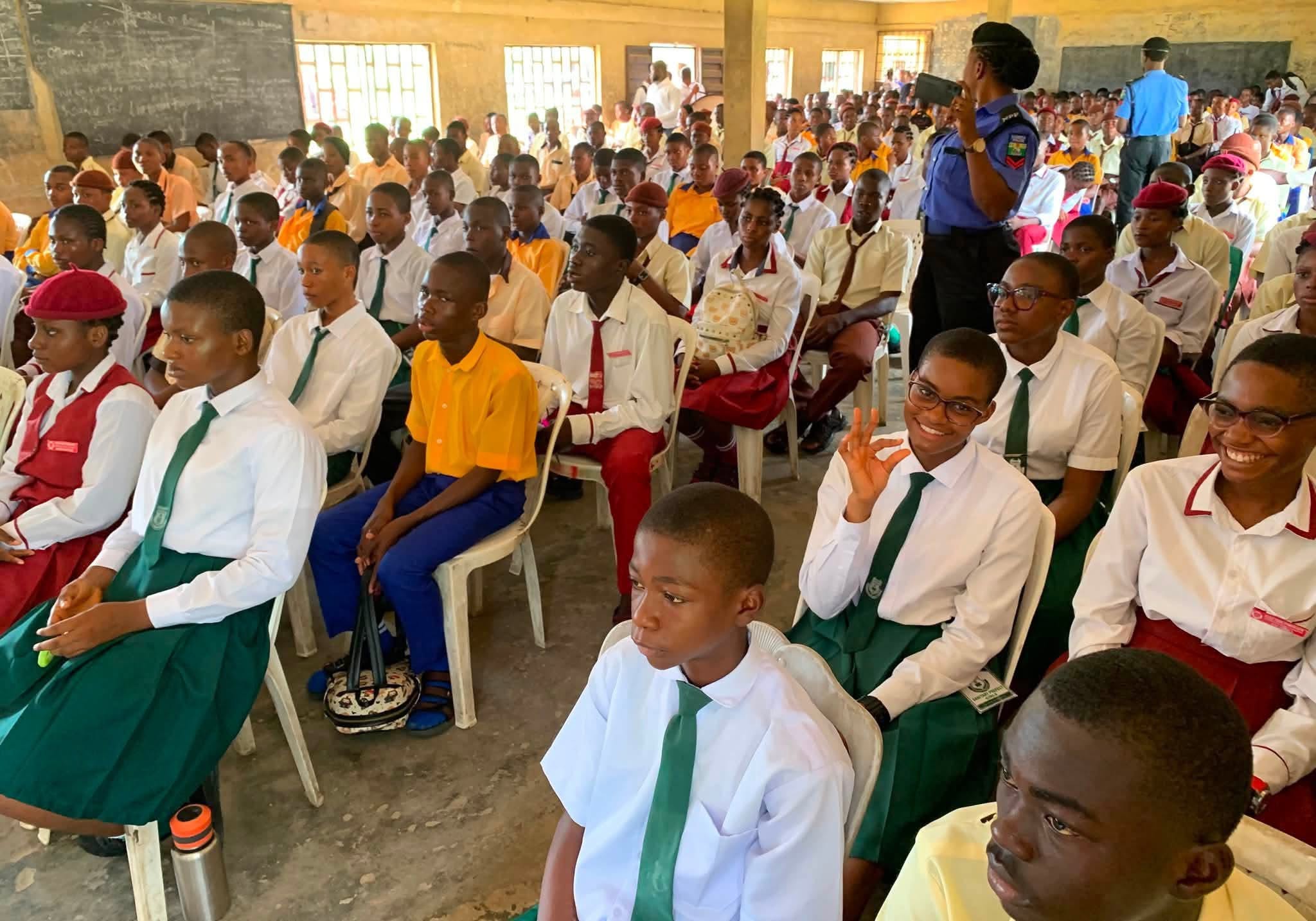
Students were also told to protect their personal details, avoid cyberbullying and hate speech, and understand the difference between misinformation and disinformation.
Bukola Oguntoyinbo, the Principal of Tudapems school, also encouraged students to think about their digital footprints.
Mrs Oguntoyinbo explained that "content they publish online could benefit them in the future or become a source of embarrassment years later." She added that some scholarships and educational opportunities require applicants to have a positive online presence.
While online platforms offer chances for learning, communication, and creativity, there are still big worries about children’s safety online.
A 2025 UNICEF report on Childhood in a Digital World found that children's online experiences could help them develop useful skills. But it also pointed out the negative impacts of online bullying, abuse, and harmful content on children's mental health.
The report, which looked at evidence from 21 countries, said children who faced online sexual abuse or bullying had much higher levels of anxiety, suicidal thoughts, and were more likely to self-harm.
It warned against only looking at screen time as a measure of online harm. Instead, it highlighted the need to prevent online abuse, bullying, and exposure to harmful content.
At the end of the school event, students received specially designed stickers with the message: "My Voice Matters. So Does the Truth. Pause Before You Share."

Drop your comment
No comments yet — be the first to drop the gist 👇