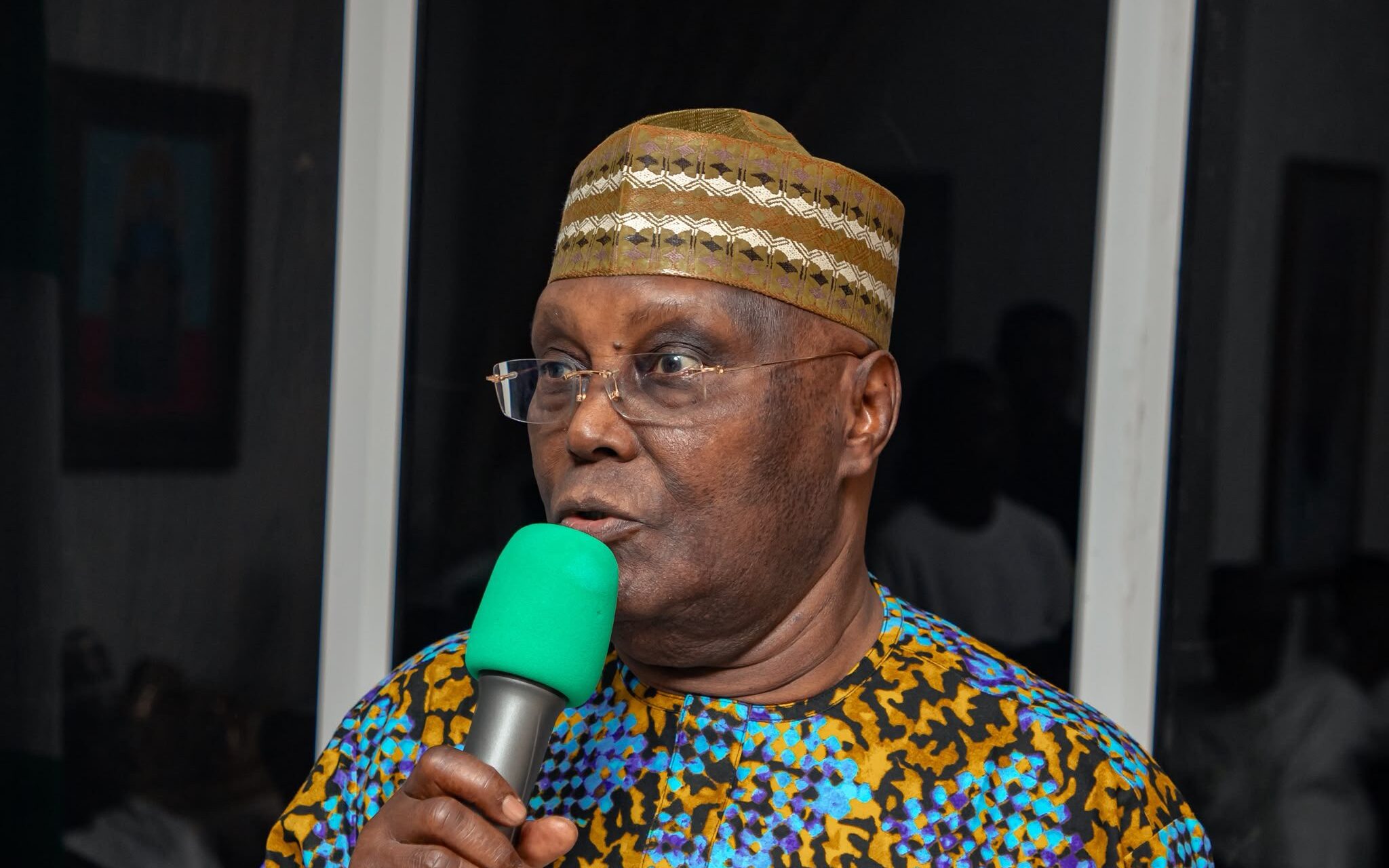
Atiku Abubakar, the presidential candidate of the African Democratic Congress (ADC), has said he is ready to help Bola Tinubu's government with policy ideas to ease the hardship many Nigerians are facing.
Atiku, who was once the vice president, noted that the struggles of Nigerians have become too much. He pointed out the rising costs of petrol, transport, and daily living expenses.
He encouraged President Tinubu to use the next eight months of his first term to take big steps to lessen the burden on the people.
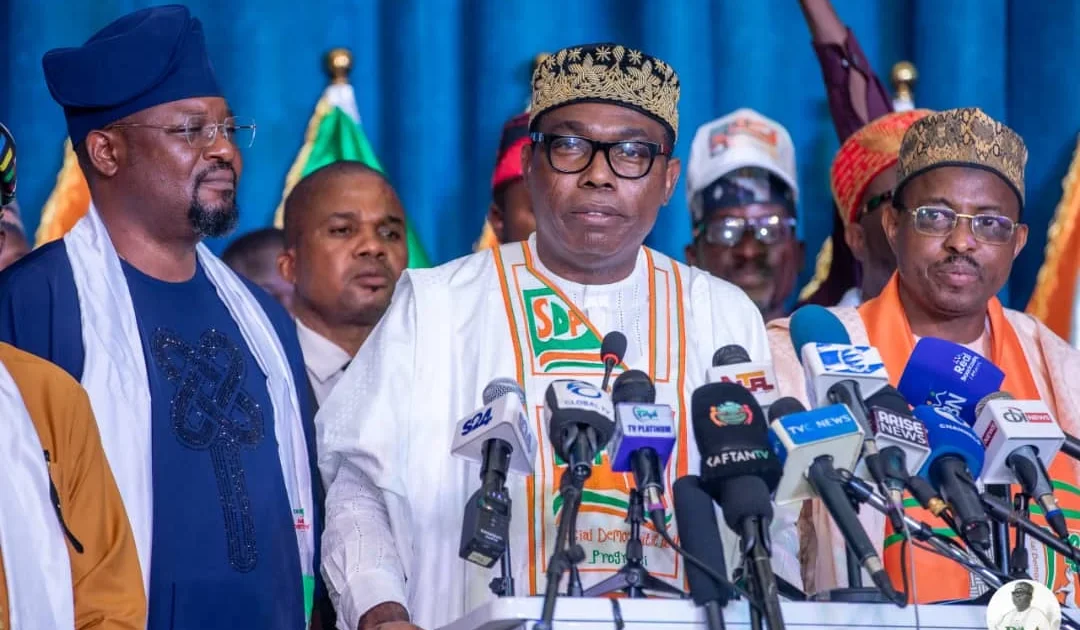
Atiku made these comments during a press briefing in Abuja on Friday.
"The President should know that eight months may sound short inside Aso Rock. But eight months is a very long time when you are living from hand to mouth. Use that time to reduce the burden on Nigerians.
"And if your government requires policy ideas or technical input on how to bring relief, I am prepared to make mine available. Nigerians do not have to wait for another administration before they benefit from an idea that can help them today," he said.
Atiku stated that he would offer his advice to Mr Tinubu at no cost if the president wanted to use his ideas.
He mentioned that the administration could rename the policy and take credit for it as long as it helps Nigerians.
"If you need the framework, I will provide it. Implement it under your government. Give it whatever name you choose. Take the credit. I ask for only one thing: Let Nigerians breathe.
"I am prepared to compete with you politically. But I will never compete with the welfare of the Nigerian people. The presidency may be contested. The well-being of Nigerians should never be," he added.
The issue of petrol subsidy has been a hot topic among Nigerians. Past governments have said it must go because they can no longer afford it. But many believe that removing it will make life harder for millions, as prices of goods and services will rise.
President Tinubu, who beat Atiku in the 2023 presidential election, ended the petrol subsidy on 29 May 2023, the day he took office.
The end of the petrol subsidy and the floating of the naira have added to Nigeria’s cost-of-living crisis, which is the worst in a generation, as prices of goods and services have increased dramatically.
The government has defended its actions, saying it has cut waste and corruption, allowing more funds for important areas like education and infrastructure.
Atiku said if he becomes president in 2027, he will start a clear production subsidy for petroleum products made in Nigeria and sold to Nigerians.
"If elected, from May 29, 2027, I will introduce a transparent production subsidy for petroleum products refined in Nigeria and sold to Nigerians," he said.
He also called on the Tinubu administration to create policies that will boost local rice production and make it easier to transport farm products.
"Think of a Nigerian rice miller. The government helps reduce milling costs, allowing rice to be sold at lower prices. More families can afford it. As sales grow, the miller buys more rice from Nigerian farmers and employs more Nigerians to process, package and transport it. That means cheaper rice for families, more business for farmers and more jobs for Nigerians," he explained.
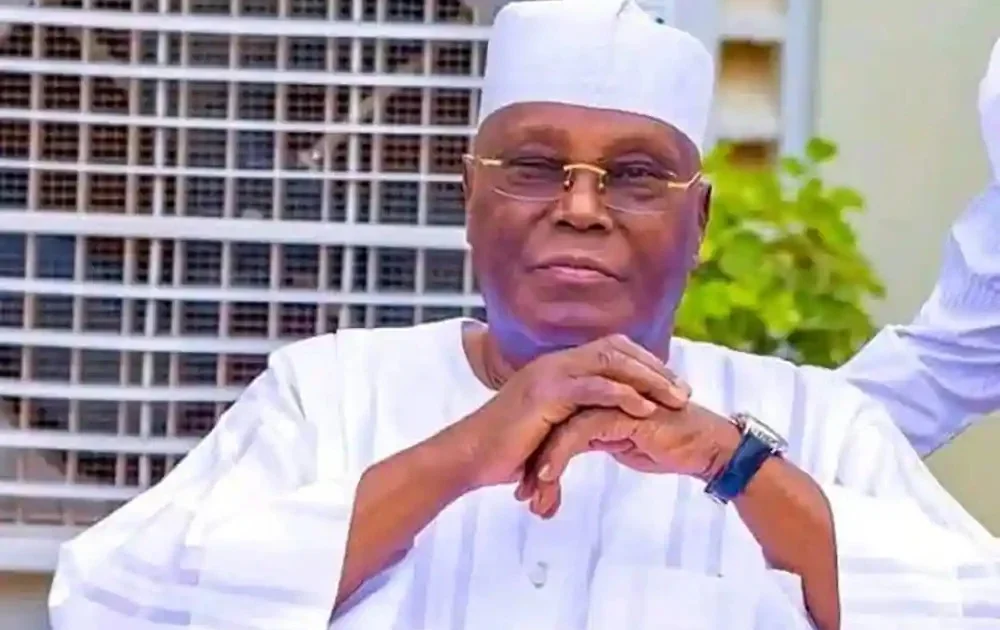
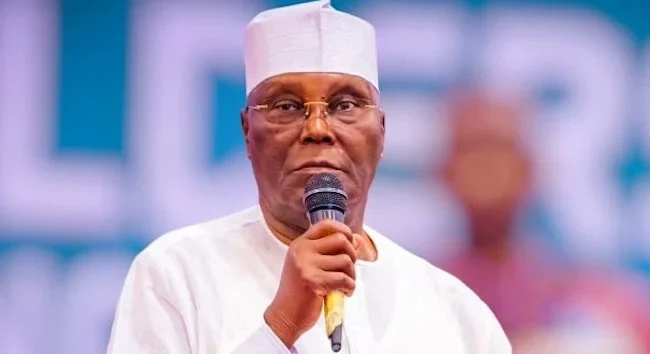
Atiku said his planned production subsidy would help lower the cost of goods and services while encouraging local production, pending approval from the National Assembly.
"Our production subsidy will work the same way; government support must bring prices down. Only products confirmed to be refined in Nigeria will qualify. Imported products will not. The programme will have a fixed spending limit, National Assembly approval and independent audits.
"For the remaining eight months, President Tinubu should use every responsible instrument available to reduce the burden on Nigerians. Bola Tinubu should not be ashamed to do it because Atiku Abubakar proposed it," he added.
Atiku also promised that if elected, he would create an economy focused on increasing production, creating jobs, and improving the purchasing power of Nigerians.
"And if elected, I will work to build an economy in which growth is not merely announced in Abuja but felt in Nigerian homes, an economy where more production means more jobs.
Where more revenue means better lives. Where economic growth means greater purchasing power. And where the Nigerian family can once again afford the necessities of life. Because ultimately, Nigerians do not live on statistics. They live on what their hard-earned money can buy," he stated.
Atiku urged President Tinubu to directly address the causes of economic hardship rather than just relying on temporary relief measures.
"If responsible intervention can lower prices, intervene. If changing course can help Nigerian families, change course. And Nigerians do not need another elaborate palliative ceremony.
"Do not make life unbearable and then distribute bags of rice as evidence of compassion. Do not break a man’s legs, hand him crutches and demand applause for providing mobility.
"Emergency assistance has its place, but palliatives cannot substitute for sound economic policy. A bag of rice cannot repair an economy in which transportation costs outrun salaries. A cash transfer cannot permanently compensate a worker whose income is continuously eroded by energy costs. Palliatives manage pain," he said.
Atiku also criticized plans to phase out electricity subsidies starting in 2027. He said this could add more financial stress on homes and businesses.
"Good policy addresses the source of the pain, and as if the pressure on families were not enough, Nigerians are now being told that electricity subsidies will be phased out from 2027. Electricity is already expensive. Families are calculating how long their units will last," he said.
Atiku showed how high electricity costs affect small businesses and manufacturers.
"Small businesses are struggling to keep the lights on. Manufacturers are spending enormous amounts on electricity, diesel and alternative power to keep factories running. How much more can the Nigerian family carry?
"The barber needs electricity for his clippers. The tailor needs it for her machines. The frozen-food seller needs it to preserve her stock. The welder needs it for his equipment. The manufacturer needs it to keep the factory alive. The lesson of petrol must not be repeated with electricity.
"Do not remove first and think later. Do not impose the pain first and search for palliatives afterwards. When energy becomes unaffordable, everything becomes unaffordable," he said.

Drop your comment
No comments yet — be the first to drop the gist 👇