Bayelsa State Government is aiming for 300,000 kilogrammes of locally produced rice by the end of 2026.
This goal is to help reduce reliance on imported food and make agriculture a source of jobs and wealth.
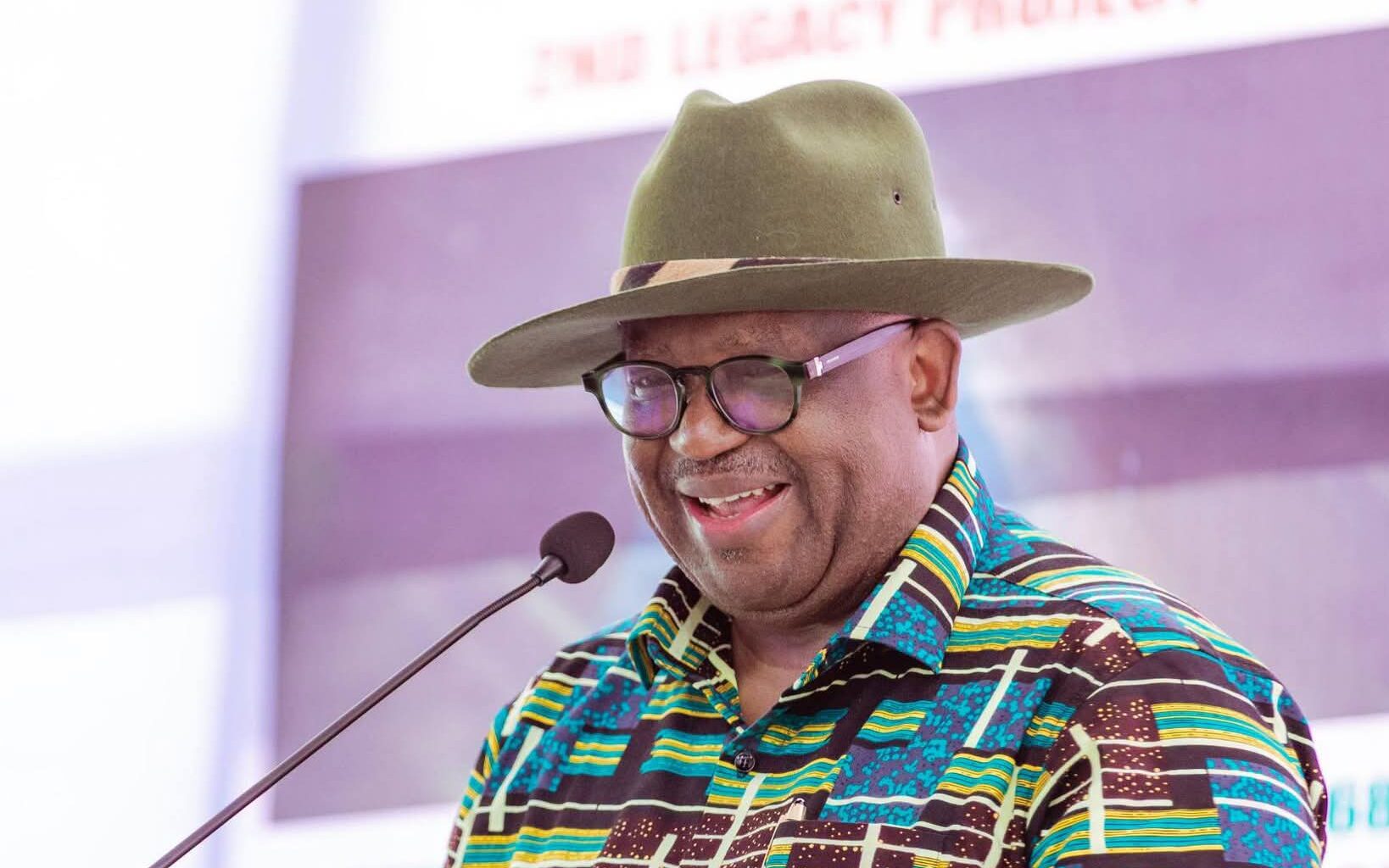
The state’s Commissioner for Agriculture and Natural Resources, Beke Sese, shared this on Friday during the 2026 World Food Day celebration in Yenagoa. He mentioned that the government’s rice milling plant is up and running, and its products are now being tested for food and nutritional certification before hitting the market.
Mr Sese explained that the government is cultivating 106 hectares of rice and buying paddy from local communities to ensure farmers have a guaranteed market for their produce.
The target comes as Governor Douye Diri’s administration encourages young people to get involved in agriculture. This is part of efforts to boost food security in a state where river flooding and reduced fish stocks create challenges for food production.
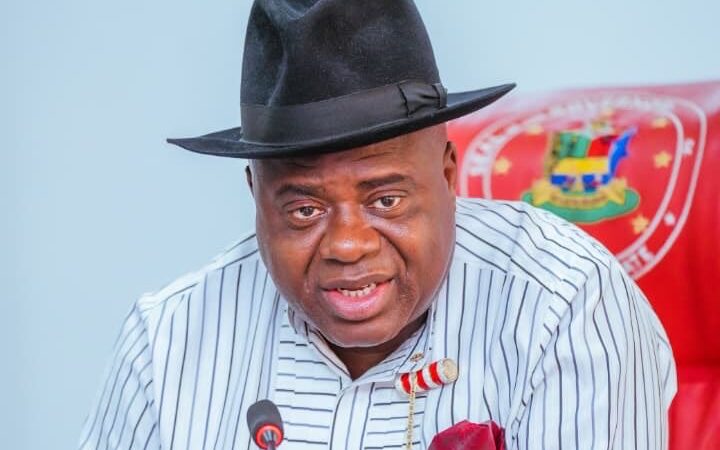
Represented by the Deputy Governor, Peter Akpe, Mr Diri urged agriculture to be seen as a good career choice, not a last resort. He called on young people to grab farming opportunities instead of waiting for office jobs.
The governor spoke at the celebration at the Chief DSP Alamieyeseigha Memorial Banquet Hall in Yenagoa, which had the theme, “Innovate Today, Nourish Tomorrow.”
The event also showcased government-supported agricultural programs and help for farmers across the state’s eight local government areas.
Support for Farmers
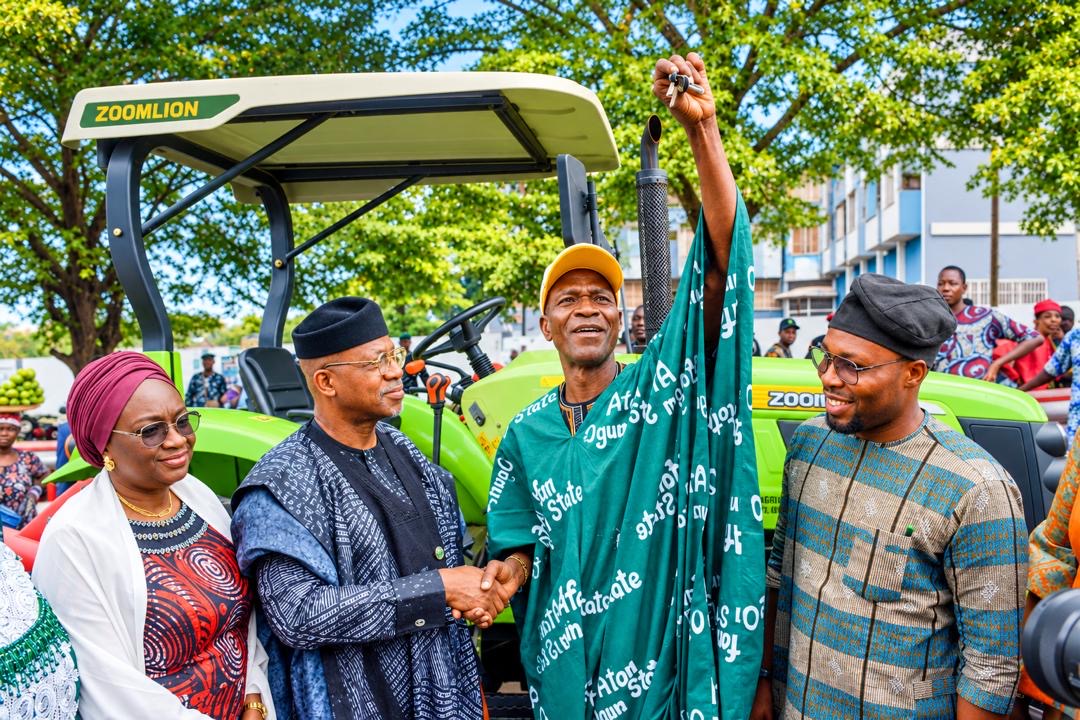
Mr Sese stated that over 17,300 farmers have received direct support through various agricultural programs since 2020. These include the Accelerated Agricultural Development Scheme, Diri BOOST, and the Prosperity Farmers Grant Scheme.
In 2026 alone, 2,106 farmers, fishers, and processors received grants, allowing them to expand their production and processing activities.
According to the commissioner, the state’s rice milling plant can process 410 tonnes daily and is running at full capacity.
“We are cultivating 106 hectares of rice and buying paddy from the communities we supply. So while you plant, you know a buyer is waiting,” he said.
Mr Sese added that the government is working to meet the governor’s goal of producing 300,000 kilogrammes of locally branded rice by the end of the year. This target is equal to 300 tonnes of rice, although the government has not said how much rice has already been produced.
The immediate challenge for the administration is to turn its investment in farming, processing, and grants into enough affordable food for residents.
Mr Diri mentioned that the government has distributed seedlings and other farming inputs to thousands of farmers across the state. They have also teamed up with the Central Bank of Nigeria to set up rice mills at Niger Delta University and the Federal University, Otuoke.
He said the government has started its first dry-season farming program at Otuasega Farm in Ogbia Local Government Area. They are also working with CSS Integrated Farms to teach young people modern farming methods.

Addressing Challenges
The governor urged young people to adopt farming methods that suit Bayelsa’s landscape. This includes using flood-tolerant crops, soilless farming, and modern aquaculture.
He also called for investments in food processing, storage, and cold-chain infrastructure to cut down on post-harvest losses.
The focus on aquaculture comes due to worries about the state’s fisheries. The governor noted that pollution has contributed to the decline in wild fish stocks.
Mr Diri asked banks to make loans easier for smallholder farmers and encouraged everyone to practice backyard farming.
He said the government will keep creating a good environment for agriculture. This includes building access roads, bridges to farms, support for farming communities, and better security for farmers and their crops.
“Let me be clear: the government cannot do it all alone, and it should not try to. Our role is to create a good environment and provide access roads,” he said.
“Our focus on roads will not change. We must build bridges to farms and help farming communities. We also need to improve security for farmers and their crops.”
He encouraged young people to return to farming, pointing out that people from outside Bayelsa are already taking advantage of the state’s farming potential.
The governor also warned herders against attacking farmers. He reminded everyone that Bayelsa’s law against open grazing is still active.
He praised the International Fund for Agricultural Development and the Livelihood Improvement Family Enterprises in the Niger Delta program for helping young people start agribusinesses.
He also mentioned the Peremabiri Farmers Cluster as a good example of what organized and innovative farmers can achieve.
At the event, the National President of the All Farmers Association of Nigeria, Farouk Mudi, gave Mr Diri an Award of Excellence, naming him the best governor in agricultural support in Nigeria.
Mr Mudi said the award comes from the association’s research and assessment of agricultural programs. The initiative, started in August, will recognize 12 governors, with two from each of Nigeria's six geopolitical zones.
The state government has set a deadline of the end of 2026 to produce 300 tonnes of locally branded rice. Mr Diri has instructed the agriculture ministry to ensure the product is available to residents during Christmas and New Year.
Whether this target will be met depends on the state’s ability to keep production going, secure reliable supplies from farmers, and deliver processed rice from its mills to consumers.



Drop your comment
No comments yet — be the first to drop the gist 👇