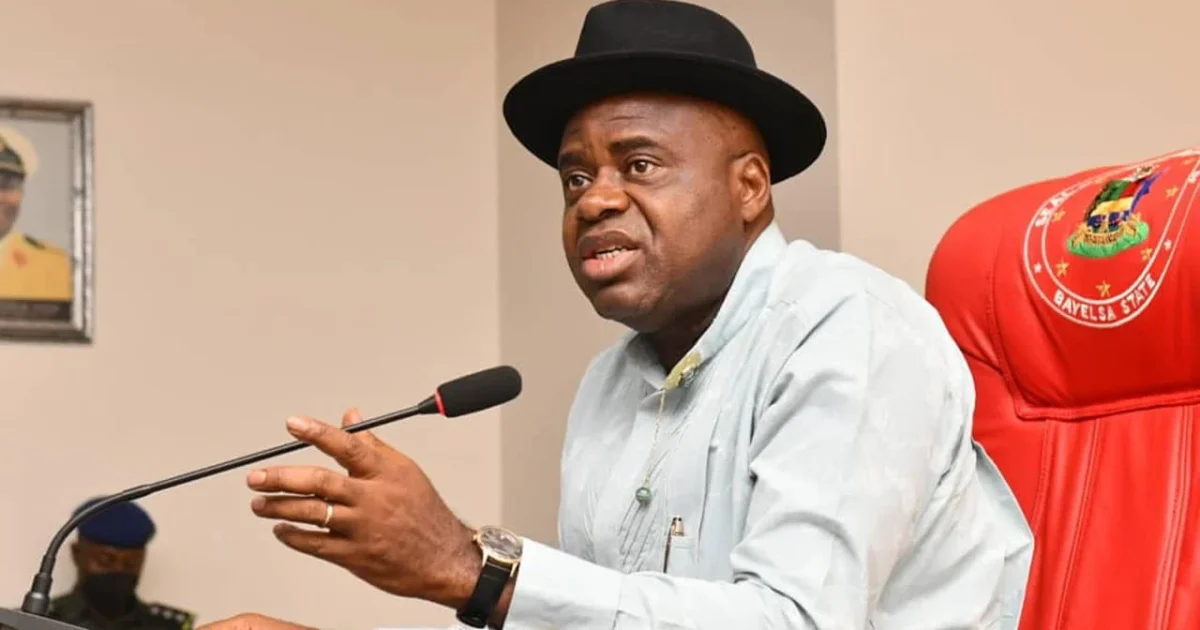
The Bayelsa State Government has asked teachers trained as first responders to use their skills to save lives. They should also teach their communities about basic emergency response.
The government said this training is important because emergencies can happen in schools, homes, and public places. Quick action can make a difference before professional help arrives.
Mrs Bekere Zuokumor, the Director of Secondary Education at the Ministry of Education, represented the Commissioner for Education during the closing of a three-day first responder training in Yenagoa on Thursday. She noted that health and education are linked.
The Health Emergency Initiative organized the program with support from the state Ministries of Education and Health for teachers and students.
Zuokumor said, "Everything in life is connected. You cannot talk about education and going to school to learn when you are not in good health. It takes a person who is in good health to be able to succeed in other aspects of life."
She added, "So, this particular training, I believe, is coming up at the right time. It is good for us to have this awareness. To me, I also see it as a kind of sensitisation. We need to know what is happening and know the basic things to do when emergencies occur."
The director also criticized the habit of filming emergency victims instead of helping them. She said, "Something is happening, somebody is dying, somebody fell, somebody is ill, something happened to somebody, or a child is bitten by a snake. The first thing we do is to bring out our phone to snap so that we now sell it out."
She continued, "That should not be our mindset, especially when it comes to health. The first thing that we should think about is rescue. How do you help?"
Zuokumor said people cannot help if they lack basic knowledge or skills on what to do. She promised that the state government would partner with the organizers to expand the training and improve emergency response in schools.
Mr Geku Stephen Seinitinkumo, the Deputy Director of the Secondary Education Department, said the program gave participants practical skills to handle emergencies before medical professionals arrive. He mentioned that the training had 40 secondary school students and 10 teachers.
Seinitinkumo said, "We wouldn’t want people to die as we hear. It’s something that is worth doing, that Bayelsa State has to embrace and collaborate with them."
He added, "Everybody now can go home with confidence that if an emergency happens, at least they will be able to resuscitate the person before taking the person to another professional body to administer further medical assistance."
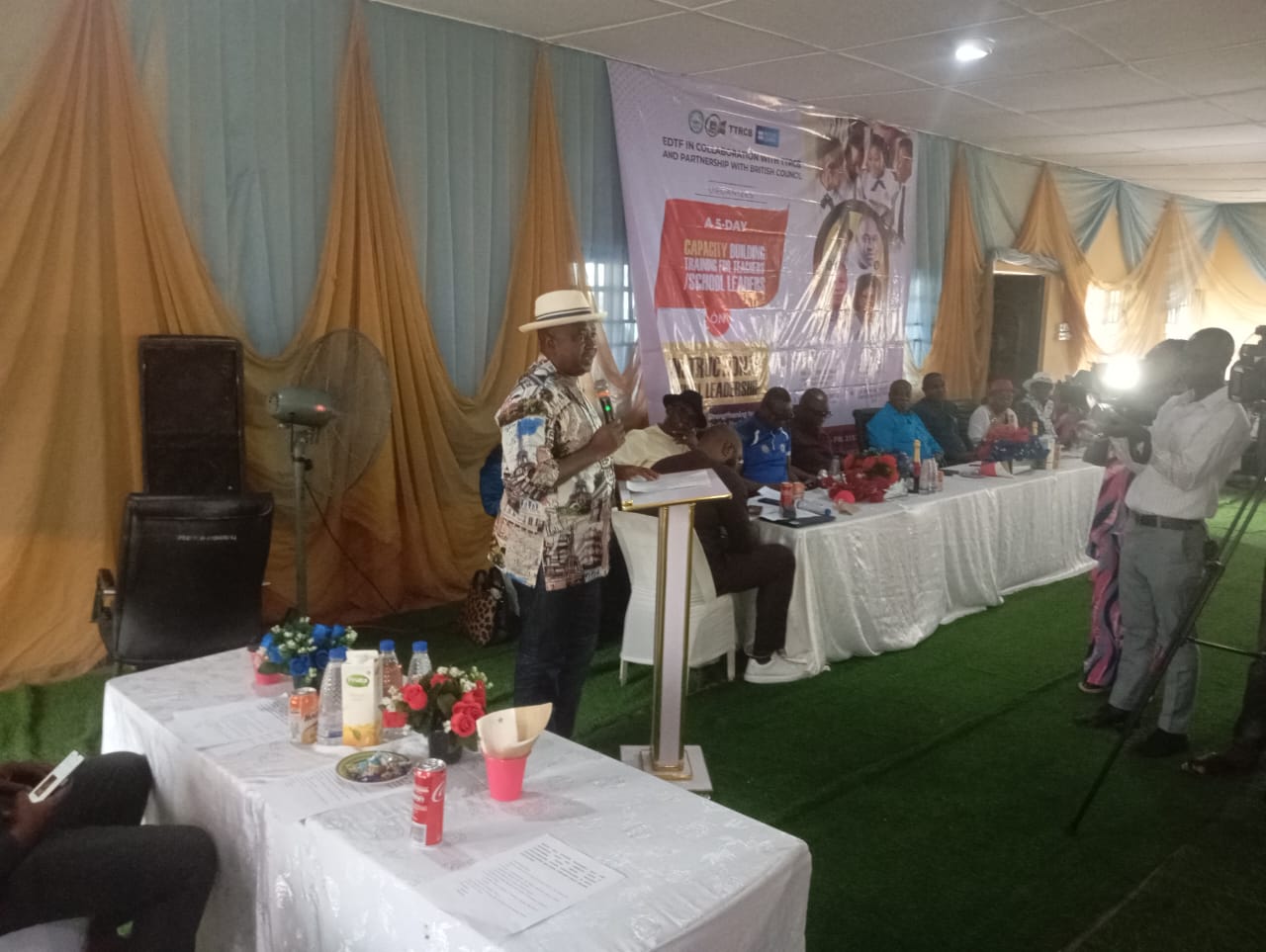
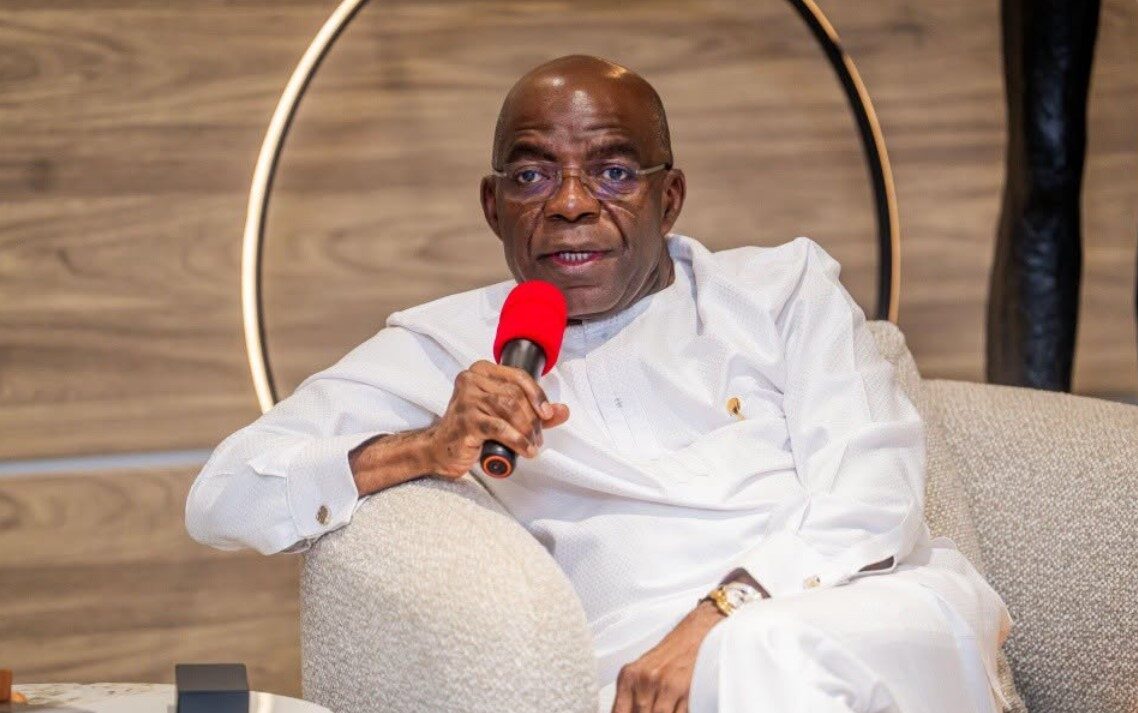

He was hopeful that the participants would share what they learned with other students and community members. He said, "Because of the excitement, the way they put in effort and the joy they showed shows that it is going to be very wide because they will not just harbour the knowledge to themselves."
He noted that participants are ready to teach others and spread their knowledge. He said, "They are ready to expand it. They are going to spread their tentacles to reach out to other students and even their neighbours at home."
Mrs Leticia Iwakare from Government Science and Technical College, Okaka, called the first responder training a rare privilege. She said it helped her gain practical skills for handling emergencies before medical help arrives.
Iwakare said, "I was privileged to be part of this first responder training and medical intervention programme, and honestly, it is a rare privilege. The things I have learnt over these two days are things that, most times, you pay money to learn at seminars, but I got them for free."
She explained that the training taught her how to respond to situations like fainting, convulsions, and burns without using wrong methods. She added, "I have now learnt the right way to handle such situations, whether it is a child, an adult or an accident casualty, before the arrival of a doctor or before taking the person to the hospital."
Mrs Eva Dekede from Bishop Dimiya Grammar School, Yenagoa, said the training taught her lifesaving techniques, especially how to move an injured person safely. Dekede mentioned, "This training is something that is very necessary and has helped me to learn a lot."
She said, "For instance, I have learnt how to carry someone when the person does not need much movement, so that you don’t end up shaking the person so much and cause more harm to the person."
Another participant, Matanya Lakoso from Central E.P.A. Secondary School, Opolo, described the training as educational. She said it made her more aware of the need to save lives.
Lakoso said, "The training has been very good and educative, and the trainer has created more awareness for me. The awareness I have gained from this training is how to save lives and the importance of life."
She promised to inform her schoolmates about the importance of saving lives. She concluded, "So, we should avoid that and do everything possible to save a life."
The three-day program aimed to give secondary school students and teachers basic first aid, emergency response, and lifesaving skills.
Drop your comment
No comments yet — be the first to drop the gist 👇