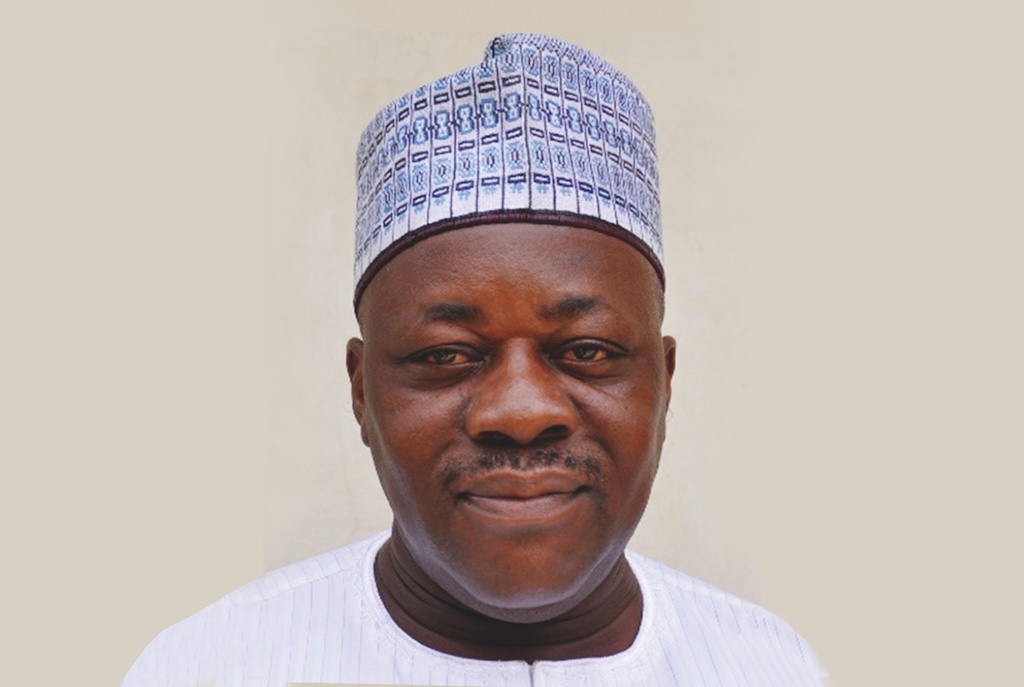
Yesterday, the National Institute for Legislative and Democratic Studies and the Kukah Centre held a symposium on political communication, election security, and the future of democracy in Nigeria. Professor Attahiru Jega, the former INEC Chairman, chaired the event. The discussion focused on how Nigerian politicians often deceive voters. Politicians make big promises but rarely keep them after winning elections.
This pattern has created a serious trust issue between the people and their leaders. Aisha Yesufu, a well-known activist, said the real problem with Nigerian democracy is that citizens do not recognize their own power. She believes if citizens realize their worth, they can elect a new government that truly serves them. I completely agree with her.
The political class is not the only group failing the citizens. INEC has struggled to give Nigerians the quality of elections they deserve. With elections less than three months away, INEC has not yet provided the voters' register. The law requires this to be done much earlier. There have also been troubling reports about interference with the voters' register using AI. Some INEC staff are implicated in this issue. Furthermore, there are concerns about staff in the FCT Minister's office accessing the server with the voters' list. This is making Nigerians lose faith in our Election Management Body.
Concerns were also raised about judges who do not seem to be neutral. It looks like corrupt judges may be replacing voters when it comes to deciding election results. Citizens must take action to reclaim their electoral rights. This is needed because the political class is using stolen funds to buy votes from voters who may not be politically aware.
There is a bigger worry about whether the country is heading for a serious political crisis that could affect the elections. The current government is trying to block major opposition parties from participating, which could have dire consequences. Some opposition candidates have faced bans from states. For instance, Peter Obi was blocked from entering Benue, and Atiku was removed as a candidate. During the Osun Governor's elections, Senator Folorunso even told his supporters to kill all ACCORD party organizers in his area, and nothing happened to him.
This week, the National Peace Committee released a report saying that 26 states and the Federal Capital Territory had 109 breaches of the National Peace Accord over ten weeks of monitoring from August 19 to October 27. Campaigns for presidential and National Assembly elections started on August 19, while those for governorship and State Assembly polls began on September 9. In Abuja on August 18, 19 political parties signed the National Peace Accord. They pledged to follow 12 standards aimed at ensuring peaceful and issue-based campaigns ahead of the 2027 elections. The agreement includes commitments to reject violence, threats, and intimidation.

Other promises cover issue-based campaigns and the sharing of accurate political information. They also include responsible use of digital media, inclusive participation, respect for electoral and security institutions, and civil communication among political actors.
The report noted 33 incidents of political violence and thuggery; 29 cases of misinformation and disinformation; 19 attacks on political activities and campaign property; 15 intimidation and threats; seven restrictions on freedom of expression and assembly; and four inflammatory statements. Kaduna, Edo, Cross River, Kogi, and Borno were among the states where these incidents occurred.
The NPC report highlighted some major incidents, like the September 8 obstruction of Peter Obi's convoy near Makurdi, Benue State. In Enugu State, armed disruptions of NDC and PDP gatherings happened repeatedly between September and October. The report also noted cases of violence, including gunmen disrupting PDP consultations in Calabar South and the shooting of a supporter of the African Democratic Congress in Igueben, Edo State, four days later.
In Oyo State, violence during political events in Ibadan from October 14 to 17 resulted in one death. An APC ward member was killed days later, with allegations against a council official denied. The NPC also expressed concern about using religious and family ties to sway political choices. An APC lawmaker in Oyo allegedly urged Muslim voters to reject Christian candidates.
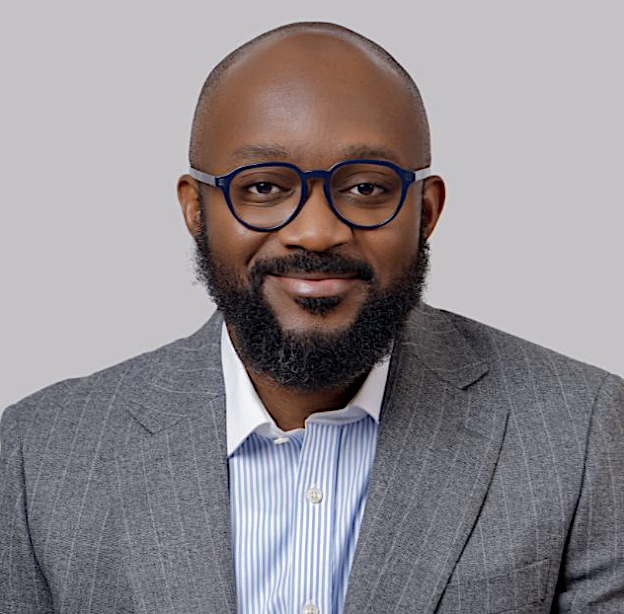
One alarming issue raised by INEC is the use of the slogan, 'Rig and Die' by political leaders and the media. Mohammed Haruna, the National Commissioner and Chairman of INEC’s Information and Voter Education Committee, warned about this on Saturday in Enugu. He said this phrase could lead to danger, as it connects electoral fraud to death. He pointed out that election officials at polling units are often the ones most attacked, not the influential politicians. This slogan reflects a belief that the current powers will try to rig the 2027 elections. The government must reassure Nigerians that it will not rig the elections and that they will be free, fair, and credible to prevent violence.
Drop your comment
No comments yet — be the first to drop the gist 👇