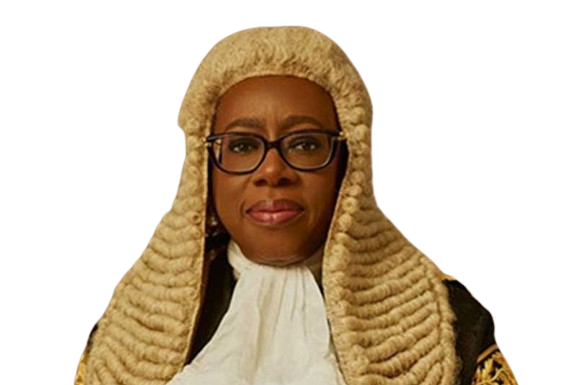
The Chief Justice of Nigeria (CJN), Kudirat Kekere-Ekun, swore in 12 new judges for the Court of Appeal on Tuesday.
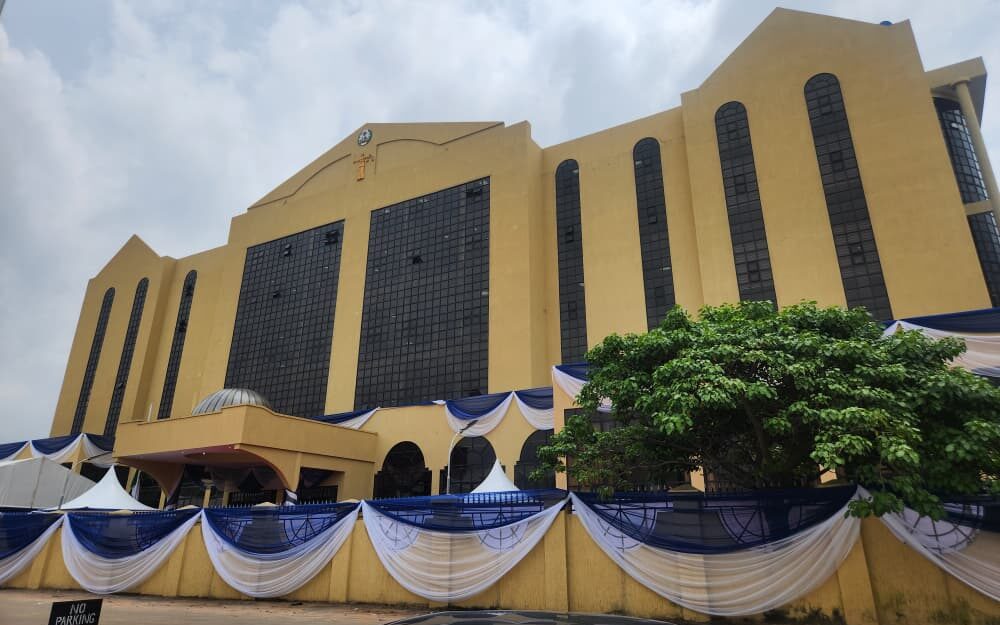
The ceremony took place in the main courtroom of the Supreme Court complex. Ms Kekere-Ekun urged the new judges to maintain judicial independence, resist outside pressure, and carry out their duties with integrity.
These 12 judges were promoted from state High Courts, state Customary Courts of Appeal, the National Industrial Court of Nigeria, and the Federal High Court.
The judges include Yakubu Abdulhammeed Mohammed, Monisola Oluwatoyin Abodunde, Raphael Ajuwa, Elias Ojie Abua, Mbalamen Jennifer Ijohor, and Sabiu Bala Shuaibu.
The rest are James Omotosho, Emeka Nwite, Dauda Njane Buba, Sanusi Kado, Enikuomehin Ademola, and Juliet Veronica Dadom.
Their promotion came after 48 judges were nominated for the Court of Appeal. The Federal Judicial Service Commission (FJSC) recommended 24 judges to the National Judicial Council (NJC). The NJC then did another selection before sending 12 names to President Bola Tinubu for appointment.
The NJC made its final recommendation during its 111th meeting in May. They stated that the appointments aimed to fill vacancies due to the elevation and retirement of judges and to strengthen the courts.
While speaking to the new judges, Ms Kekere-Ekun said they bring experience from various parts of Nigeria and from different judicial institutions.
According to her, the new judges come from High Courts in Gombe, Bayelsa, Cross River, Benue, Kebbi, Taraba, and Ondo states. Others are from the Federal High Court, the National Industrial Court of Nigeria, and the Customary Courts of Appeal in Ekiti and Plateau states.
During the ceremony, the CJN emphasized the need for the judges to protect their independence, even if their views differ from their colleagues. She told them, “Public approval must not be the basis for you to depart from the law, just as criticism must not deter you from reaching a decision that your conscience and the law require.”
Ms Kekere-Ekun mentioned that moving from lower courts to the Court of Appeal would require the judges to adjust to a new way of handling cases.
She explained that most of them had previously worked alone, heard cases, assessed evidence, and made decisions independently. But in the Court of Appeal, they would work in panels, discuss cases with other judges, and reach decisions together.
She encouraged them to listen to their colleagues, consider different views, and be open to changing their opinions when presented with strong arguments. But she warned, “Sitting in a panel does not diminish the personal responsibility each judge bears for his or her judicial opinion.”
According to her, judges should be brave enough to express different opinions when needed. “A well-reasoned dissent is a legitimate feature of appellate adjudication and may, in time, contribute to the development or reconsideration of the law,” she said.
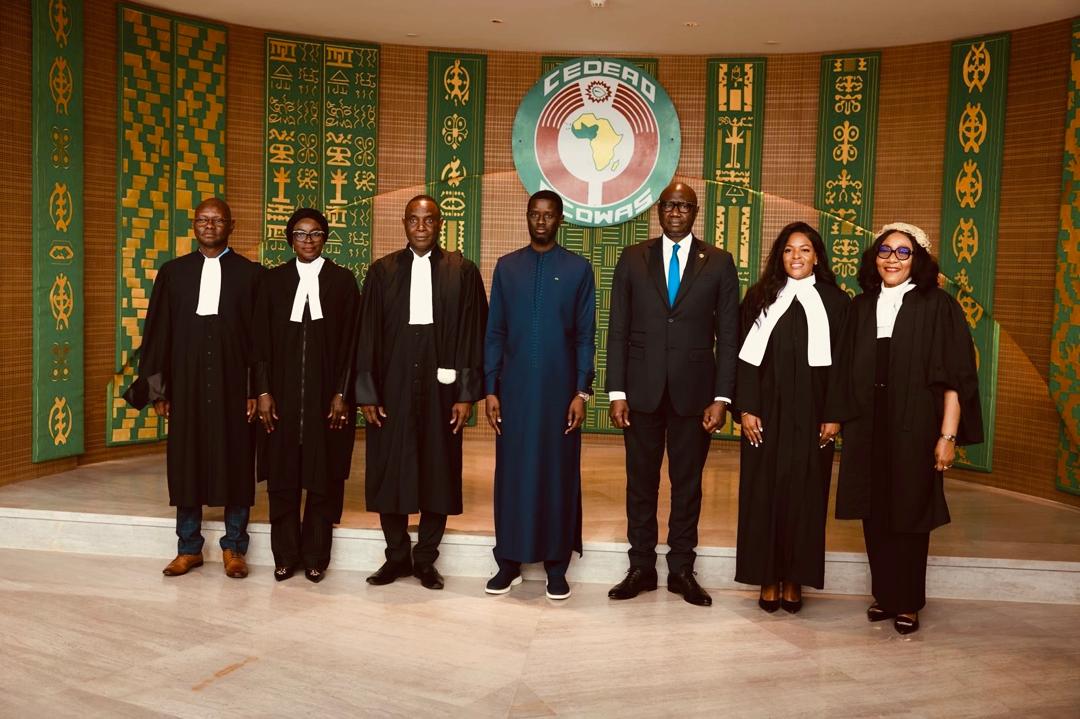
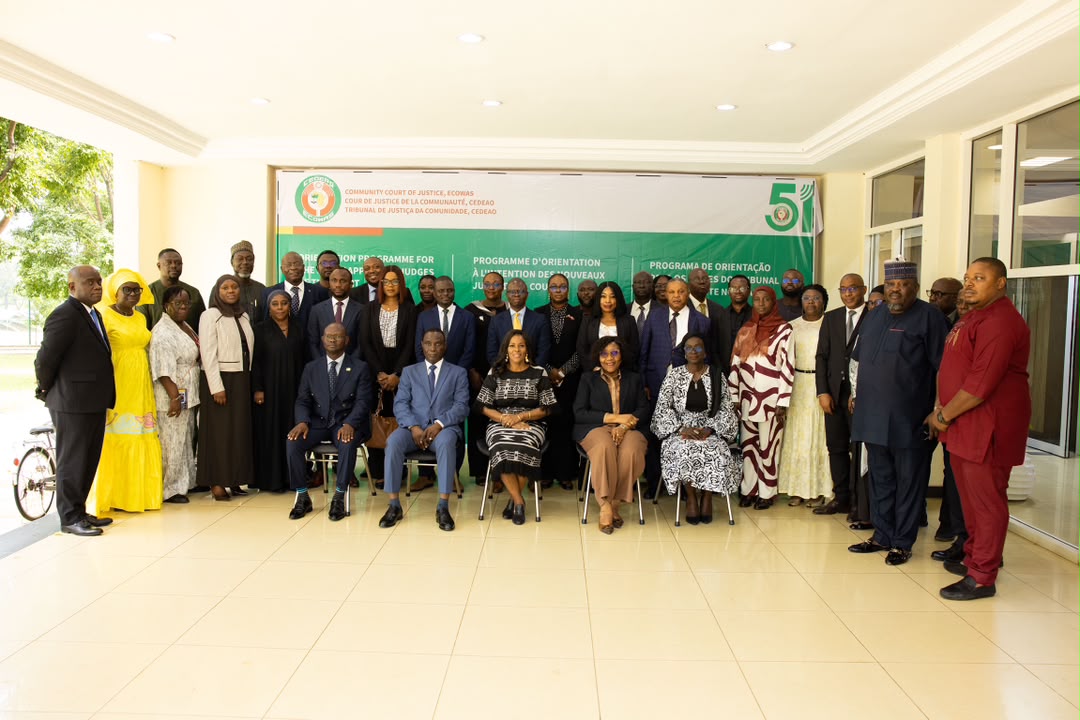
She reminded the new judges that the Court of Appeal reviews decisions from courts and tribunals across Nigeria. Their work includes civil, criminal, constitutional, electoral, commercial, and labor cases.
She urged them to examine case records carefully and only intervene where the law allows. She also warned against letting public opinion, political pressure, financial interests, or personal relationships affect their decisions.
The CJN encouraged them to stay updated on digital commerce, data protection, intellectual property, and financial regulations.
On the topic of artificial intelligence, she said technology could help with judicial research and organization in courts. However, judges must check legal sources and evaluate arguments independently.
She stated that judicial decisions must come from their careful judgement, while confidentiality and ethical standards must be upheld.
Among the 12 new judges are two from the Federal High Court, Mr Omotosho and Mr Nwite. Both worked in Abuja and handled high-profile cases before their promotion.
Mr Omotosho gained public attention after taking over the terrorism trial of Nnamdi Kanu in March 2025. He was the fourth judge to handle the case after three previous judges withdrew due to bias allegations.
On 20 November 2025, Mr Omotosho convicted Mr Kanu, the leader of the banned Indigenous People of Biafra, on seven counts related to terrorism and sentenced him to life imprisonment along with other terms.
PREMIUM TIMES reported that Mr Kanu appealed the conviction, but the appeal is yet to be scheduled for hearing, even though it was filed in February. This means Mr Omotosho might face it there.
Mr Nwite, on the other hand, presided over the Federal High Court trial of former Kogi State Governor Yahaya Bello, whom the Economic and Financial Crimes Commission (EFCC) is prosecuting on 19 counts of money laundering involving an alleged N80.2 billion diversion of funds. The case is ongoing and could now face delays.
The elevation of the 12 judges also affects the cases they were handling in their previous courts.
Their departure means that pending cases will need to be reassigned to other judges, which could lead to delays, especially in criminal trials. When a case is reassigned, it usually means proceedings have to restart. The new judge must hear the case and evaluate the evidence before giving a judgement.


Drop your comment
No comments yet — be the first to drop the gist 👇